
As an acrylic bathtub OEM/ODM manufacturer in Vietnam, I've seen countless design challenges, and small bathrooms are a recurring one. Many believe a compact space means sacrificing a bathtub, but that's simply not true. With thoughtful design and the right compact tub, even the coziest bathroom can offer the comfort and functionality of a bath. It’s all about smart choices in design and reliable manufacturing.
Maximizing small bathroom spaces with compact tub designs is achievable by strategically selecting tub types like Japanese soaking tubs, corner tubs, or deeply contoured standard-length models that prioritize depth over length. These designs, coupled with clever layout, integrated storage, and visually enhancing elements like lighter colors and expansive mirrors, transform confined areas into functional and aesthetically pleasing retreats. Success hinges on precise planning, efficient installation, and sourcing from manufacturers capable of delivering tailored, space-saving solutions without compromising comfort or quality.
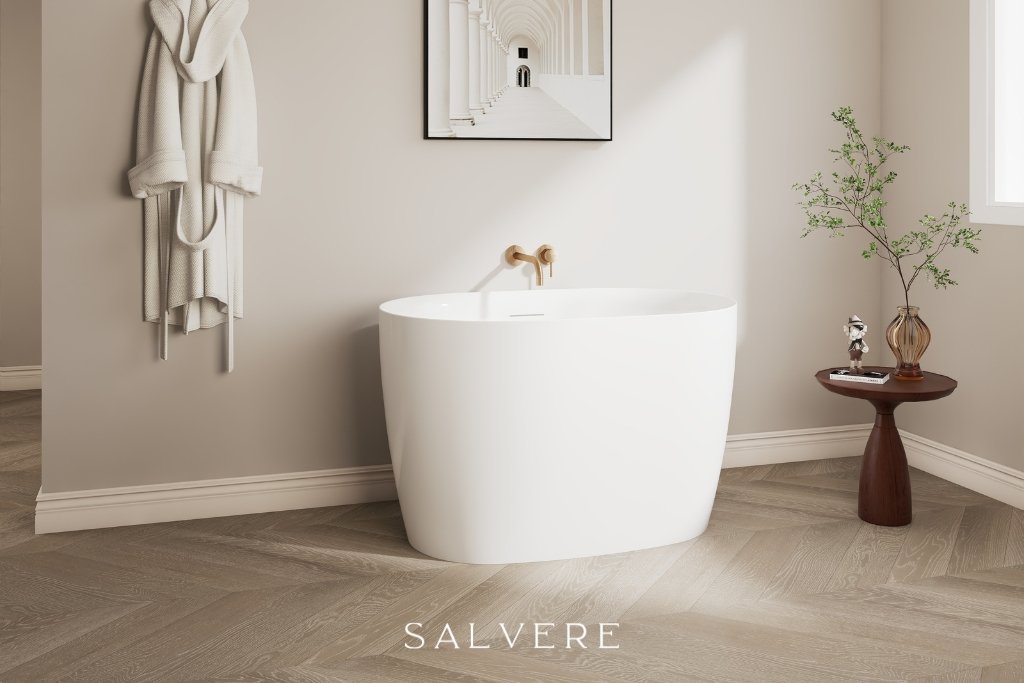
Let's explore how to make the most of every inch and deliver a fulfilling bathing experience, even in tight quarters.
Why Size Matters in Small Bathrooms
Every inch counts.
In small bathrooms, size matters profoundly because restricted dimensions mandate meticulous planning to optimize functionality, ensure comfort, and navigate regulatory clearances, making every inch critical. Poor space utilization in compact bathrooms leads to cramped layouts, impaired accessibility, and a diminished user experience, affecting both aesthetics and property value. Therefore, selecting appropriately sized fixtures, especially bathtubs, is paramount for creating a practical, appealing, and compliant design within limited footprints.
When you're dealing with a compact bathroom, the typical "standard size" fixtures often feel overwhelming or simply won't fit. Here's why size is paramount:
- Functionality: A bathroom, regardless of size, needs to perform its primary functions: washing, showering, and using the toilet. Oversized fixtures can impede movement, making simple tasks awkward or impossible.
- Comfort and Accessibility: A properly sized layout ensures there's enough clearance around fixtures for comfortable use. This includes space to stand, turn, and safely enter/exit the tub. For regulatory compliance, minimum clearances are often mandated.
- Visual Impact: A cluttered small bathroom feels even smaller. Selecting fixtures proportionate to the space helps maintain an open, more expansive feel.
- Property Value: In many markets, the presence of a bathtub is a draw for families or those who prefer to bathe. Sacrificing a tub entirely due to space constraints can sometimes negatively impact a property's appeal.
- Installation Challenges: Larger tubs in small spaces can make installation difficult, increasing labor costs and the risk of damage during delivery and positioning.
Understanding the constraints of a small footprint is the first step toward smart design solutions.
Compact Bathtub Types That Fit Tight Spaces
Thinking beyond the traditional rectangle.
For tight spaces, several compact bathtub types like Japanese soaking tubs, corner tubs, and short, deep tubs are specifically designed to maximize bathing comfort within minimal footprints. Japanese soaking tubs excel in depth, offering full immersion in a small length. Corner tubs utilize often-unused space efficiently, while short, deep models prioritize vertical volume for soaking over horizontal spread. Freestanding compact tubs also provide design flexibility, allowing placement for optimal space utilization while maintaining a luxurious aesthetic, all without demanding the typical linear space of a standard bath.
The good news is that manufacturers, including Salvere, have innovated to create several tub designs specifically for smaller bathrooms.
-
Japanese Soaking Tubs (Ofuro-style):
- Description: These tubs are typically shorter and deeper than conventional tubs, allowing the bather to sit upright and be fully immersed up to their shoulders.
- Benefits: Maximizes depth for full immersion in a very small footprint. Ideal for a spa-like experience without needing a long tub.
- Dimensions: Can be as short as 40-50 inches (100-127 cm) in length, but significantly deeper (25-30+ inches / 63-76+ cm).
-
Corner Tubs:
- Description: Shaped to fit snugly into a bathroom corner, these tubs effectively use space that might otherwise be dead. They can be triangular or a softer, curved shape.
- Benefits: Utilizes unusual space efficiently. Can often be deeper than standard tubs.
- Dimensions: Varies widely; equilateral triangle sides can be 48-60 inches (122-152 cm).
-
Short & Deep Tubs (Standard-Length Alternatives):
- Description: These are essentially standard bathtubs but with a reduced length (e.g., 48-54 inches / 122-137 cm) combined with increased depth, similar to a soaking tub.
- Benefits: Offers a more traditional bathtime feel while still saving linear space. The design focuses on maximizing water depth within the reduced length.
- Dimensions: Lengths from 48-60 inches (122-152 cm), with depths often around 18-20 inches (46-51 cm).
-
Clawfoot/Freestanding Compact Tubs:
- Description: Smaller versions of classic clawfoot or modern freestanding tubs. Their stand-alone nature can create an illusion of space.
- Benefits: Adds a touch of luxury and character. Can be placed strategically away from walls to optimize flow.
- Dimensions: Typically start around 54 inches (137 cm) in length, but some can be found smaller.
-
Sit-Down Tubs:
- Description: Very short tubs where the bather sits upright on a built-in seat, offering full or partial immersion. Some even feature doors for easy access.
- Benefits: Excellent for accessibility and for maximizing depth in extremely tight spaces.
- Dimensions: Some models can be as small as 30-40 inches (76-100 cm) in length.
Choosing the right type depends on the primary use and the exact dimensions of your space.
Design Tips for Enhancing Visual Space
Illusion and smart choices.
To enhance visual space in small bathrooms with compact tub designs, employ a strategic mix of lighter color palettes, ample reflective surfaces like large mirrors, and effective lighting to create an illusion of openness. Opt for wall-mounted fixtures, floating vanities, and transparent shower screens to keep the floor visible, reducing clutter and visually expanding the room. Prioritizing streamlined designs and avoiding heavy elements will maintain an airy feel, making the compact space feel significantly larger and less confined.
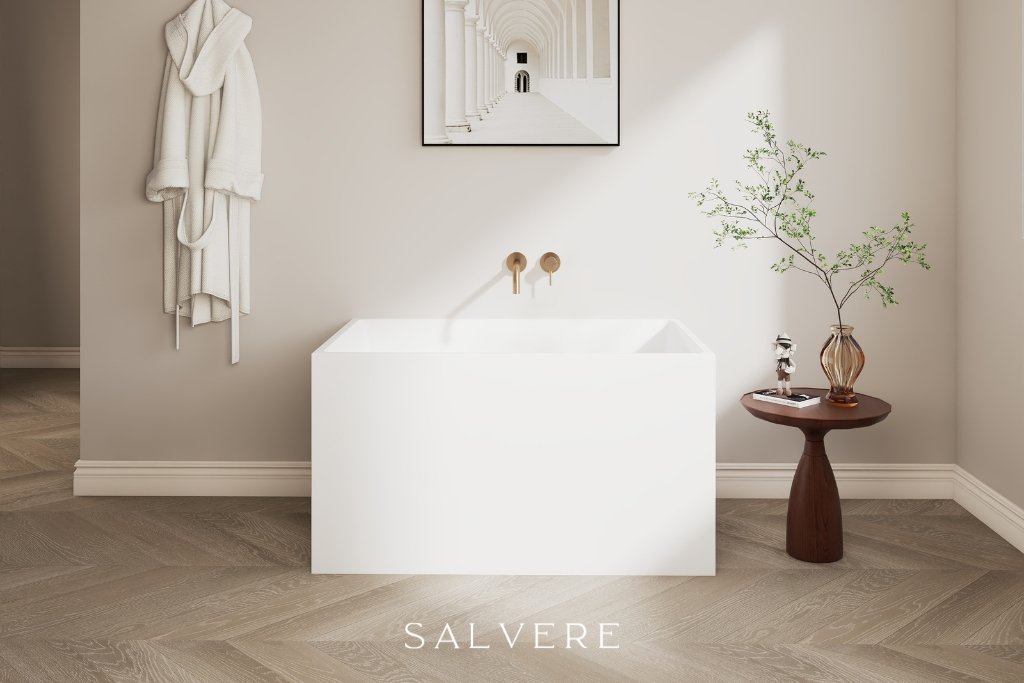
Beyond just the tub, smart design choices can make a small bathroom feel significantly larger and more luxurious.
- Light Color Palettes:
- Use: White, off-white, light grays, and pastels for walls, tile, and even fixtures.
- Effect: Light colors reflect light, making a room feel more open and airy. A monochromatic scheme can also blur boundaries, making the space feel seamless.
- Ample Lighting:
- Use: Combine ambient (overhead), task (vanity), and accent lighting. Consider recessed lighting, sconces, and even subtle LED strips.
- Effect: A brightly lit room always feels more spacious and inviting. Avoid dark, shadowy corners which can make a room feel cramped.
- Large Mirrors:
- Use: Install the largest mirror possible, ideally covering an entire wall or a significant portion above the vanity.
- Effect: Mirrors are masters of illusion, reflecting light and the room itself, instantly doubling the perceived space.
- Floating Vanities and Wall-Mounted Toilets:
- Use: Instead of floor-standing units.
- Effect: Keeping the floor visible underneath fixtures creates a sense of openness and makes the room feel less cluttered, thus visually expanding the space.
- Transparent Shower Screens:
- Use: Opt for clear glass shower doors or panels instead of opaque curtains or frosted glass.
- Effect: This allows the eye to travel unobstructed through the entire room, making it feel larger.
- Sleek, Streamlined Fixtures:
- Use: Choose bathtubs and other fixtures with clean lines and minimal ornamentation. Avoid bulky designs.
- Effect: Reduces visual clutter and contributes to a modern, open aesthetic.
These strategies work in concert to trick the eye and make the most of limited square footage.
Storage-Smart Bathtub Ideas
Hidden solutions for essential items.
Integrating storage solutions directly into compact bathtub designs is essential for maximizing small bathroom spaces, transforming often-unused areas into functional compartments. Ideas include tubs with built-in shelving, recessed niches within alcove installations, or discreet ledges designed for toiletries, minimizing clutter. Utilizing the vertical space adjacent to the tub, or selecting designs that incorporate subtle drawers or cabinets beneath the apron, further optimizes storage. Such thoughtful features eliminate the need for bulky separate storage units, preserving precious floor space and maintaining a clean, streamlined aesthetic within confined bathrooms.
In a small bathroom, every surface can quickly become a dumping ground. Smart storage is not just about organizing; it's about making things disappear.
- Built-in Niches/Shelving in Alcove Tubs:
- Idea: For compact alcove tubs, design recessed niches into the wall surrounding the tub.
- Benefit: Keeps shampoos, soaps, and bath accessories off the rim of the tub, minimizing clutter and keeping the space tidy. They are unobtrusive and don't take up any extra space.
- Tubs with Integrated Ledges/Shelves:
- Idea: Some compact drop-in or corner tubs can be designed with wider ledges or built-in shelving along one side.
- Benefit: Provides convenient, accessible storage for bathing essentials, eliminating the need for awkward caddies or suction-cup shelves.
- Apron with Storage:
- Idea: For drop-in or alcove tubs, the front apron can be designed with clever pull-out drawers or discreet hinged doors.
- Benefit: Creates hidden storage for cleaning supplies, extra towels, or less frequently used items, utilizing dead space.
- Towel Bars on Tub Exterior:
- Idea: For freestanding compact tubs, consider designs with integrated towel bars on the exterior.
- Benefit: Keeps a towel handy without needing wall space for a separate rack.
- Portable Benches/Stools that Slide Under:
- Idea: While not directly part of the tub, a small, elegant bench or stool that tucks neatly under the rim of a compact freestanding tub can hold items.
- Benefit: Offers a surface for toiletries or a place to sit, and can be moved away when not in use.
Thoughtful storage solutions are key to maintaining a clean and functional small bathroom.
Installation & Maintenance Considerations
Smooth sailing from start to sparkle.
For compact tub designs in small bathrooms, installation and maintenance require specialized consideration to ensure long-term functionality and aesthetic appeal. Given restricted access, selecting lightweight materials like acrylic facilitates easier maneuvering and reduced labor during installation. Precise measurements are critical to prevent costly errors, ensuring proper clearances for plumbing access. Maintenance prioritizes ease of cleaning given tight quarters; non-porous acrylic surfaces excel here, resisting mildew and stains with minimal effort, reducing long-term upkeep and keeping the small space fresh and inviting.
Even with a beautifully designed compact tub, installation and ongoing maintenance can make or break the experience in a small bathroom.
Installation Considerations:
- Precise Measurements: This is non-negotiable. Even a half-inch error can render a compact tub unusable in a tight space. Always double and triple-check dimensions of both the tub and the bathroom.
- Accessibility for Installers: Small spaces mean less room for installers to maneuver.
- Lightweight Materials: Opting for acrylic over cast iron or stone is a massive advantage in a small bathroom, as it's easier to carry, lift, and position.
- Pre-fitted Components: Tubs with pre-installed leveling feet or integrated overflows and drains simplify the process.
- Plumbing Access: Ensure there's adequate space for plumbing connections (water supply, drain, overflow) and, importantly, an access panel if the tub is built-in.
- Fixture Collision: Plan the placement of the tub, toilet, and vanity carefully to ensure they don't collide when doors open or drawers pull out.
- Ventilation: Crucial in small bathrooms. Proper ventilation prevents mold and mildew, particularly around the tub area.
Maintenance Considerations:
- Ease of Cleaning: In a small space, you want cleaning to be as effortless as possible.
- Non-Porous Materials: Acrylic's smooth, non-porous surface resists water stains, mold, and mildew, making it incredibly easy to wipe down.
- Simple Shapes: Tubs with fewer nooks and crannies are easier to clean. While compact tubs often have unique shapes, ensure there are no impossible-to-reach spots.
- Durability: Compact tubs in busy small bathrooms will see a lot of use. Opt for materials like high-quality acrylic that resist chipping, cracking, and fading.
- Repairability: Minor scratches or blemishes can be more noticeable in a small, intimate space. Acrylic's repairability is a big plus here.
- Water Usage: For deeper soaking tubs, consider the increased water consumption. Ensure the hot water heater can adequately supply the tub.
A well-installed and easy-to-maintain compact tub will be a joy, not a headache, in a small bathroom.
Tailored Solutions for Developers and Designers
Your vision, our precision.
For developers and designers, obtaining tailored bathtub solutions is crucial for maximizing small bathroom spaces, distinguishing projects, and meeting diverse market demands. Partnering with a flexible OEM/ODM like Salvere ensures access to customizable compact tubs that precisely fit spatial constraints while delivering desired aesthetics and functionality. This collaboration provides critical benefits including bespoke dimensions, optimized ergonomic features, seamless fixture integration, and adherence to specific compliance standards globally, optimizing costs and enhancing property value through unique, high-quality offerings.
This is where a dedicated OEM/ODM manufacturer like Salvere becomes an invaluable partner for developers, architects, and interior designers.
- Customizable Dimensions and Shapes:
- Benefit: Instead of being limited to off-the-shelf sizes that might not perfectly fit, we can work with your precise dimensions. This allows for optimal space utilization, especially when dealing with unusual layouts or specific design aesthetics for compact tubs.
- Example: Creating a tub that fits perfectly between two walls, or a corner tub with specific angles to maximize available space.
- Ergonomic Optimization:
- Benefit: We can specifically design the internal contours of compact tubs to ensure maximum comfort within a smaller footprint. This includes customized backrest angles, lumbar support, and armrests.
- Example: For a deep soaking tub, adjusting the height and angle of an internal seat for optimal comfort for different body types.
- Seamless Feature Integration:
- Benefit: For compact luxury bathrooms, we can seamlessly integrate features like air jets, mood lighting, or specialized controls, without adding bulk.
- Example: Ensuring that all jets are precisely placed within the limited internal space for maximum therapeutic effect.
- Compliance and Quality:
- Benefit: As an established OEM/ODM, we ensure all products meet international compliance standards (UPC, CE, Watermark, etc.) crucial for global markets. Our rigorous quality control ensures durability and longevity, critical for both premium and high-volume projects.
- Example: Providing certifications and testing data to confirm the robustness of the acrylic material and the integrity of the tub's construction.
- Material and Finish Consistency:
- Benefit: We can ensure consistent material quality and desired finishes (glossy, matte) across large orders, which is vital for multi-unit developments to maintain a uniform aesthetic and brand standard.
- Cost-Efficiency for Scale:
- Benefit: For developers ordering in volume, our efficient manufacturing processes in Vietnam offer competitive pricing without compromising on customization or quality.
Partnering with an OEM/ODM provides the flexibility to turn design challenges into unique selling propositions, perfectly tailored to your project's needs.
Conclusion
Maximizing small bathroom spaces with compact tub designs is not just possible, but an opportunity for innovative design. By carefully selecting compact tub types, employing clever visual enhancements, integrating smart storage, and considering practical installation and maintenance, even the most confined bathrooms can be transformed. For developers and designers, leveraging the customization capabilities of dedicated OEM/ODM manufacturers like Salvere is key to delivering tailored, high-quality solutions that meet precise spatial and aesthetic requirements, ensuring optimal functionality and luxurious appeal in every project.
👉 Learn more about Salvere Bath OEM/ODM capabilities
and how we manufacture acrylic bathtubs in Vietnam.


