
For bathroom brands, importers, wholesalers, and project buyers, choosing the right bathtub material is not only about appearance. It affects product positioning, durability, installation, shipping, maintenance, and long-term sourcing efficiency.
This bathtub materials comparison looks at acrylic, fiberglass, steel, cast iron, solid surface, stone, and porcelain bathtubs to help buyers understand which material is most suitable for different markets and project needs.
As a Vietnam-based OEM/ODM acrylic bathtub manufacturer, Salvere focuses on acrylic bathtub production for global bathroom brands, helping buyers develop products that balance design flexibility, production stability, and export practicality.
Quick Answer
Acrylic is one of the most practical bathtub materials for bathroom brands, importers, and project buyers because it offers a strong balance of design flexibility, lighter weight, stable production, and easier installation.
Compared with solid surface, cast iron, steel, fiberglass, and stone bathtubs, acrylic is especially suitable for OEM/ODM programs where brands need different shapes, sizes, finishes, and repeatable production quality.
However, acrylic bathtub quality depends heavily on material selection, reinforcement, surface finishing, and manufacturing control.
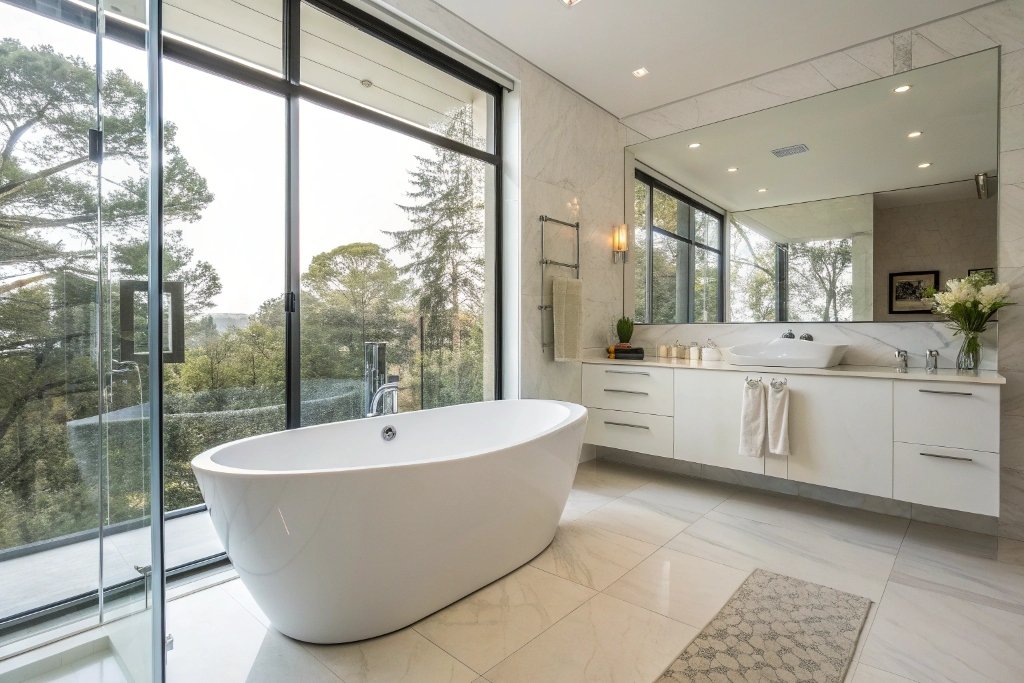
Let's dive into the world of bathtub materials and see why acrylic often comes out on top.
Overview of Common Bathtub Materials
A quick look at the landscape.
The bathtub market offers diverse materials, primarily including acrylic, cast iron, fiberglass, steel, and solid surface, each presenting distinct characteristics in terms of durability, weight, thermal properties, and cost. Fiberglass offers the lowest cost and weight but is least durable, while cast iron boasts extreme durability and heat retention but is very heavy and expensive. Acrylic, however, balances these extremes, providing a durable, lightweight, non-porous, warm-to-the-touch, and cost-effective solution, enabling versatile designs from standard to luxury configurations.
Before we dive into acrylic, let's quickly survey the other major players in the bathtub material world:
| Material | Best For | Main Strength | Main Limitation |
|---|---|---|---|
| Acrylic | Brands, importers, OEM/ODM projects | Lightweight, flexible in design, scalable production | Quality depends on reinforcement and manufacturing control |
| Solid Surface | Premium collections and showroom products | Stone-like look, premium feel | Heavy, higher shipping and production requirements |
| Cast Iron | Traditional luxury bathrooms | Very durable, strong heat retention | Very heavy, limited design flexibility |
| Enameled Steel | Standard residential use | Hard surface, familiar appearance | Can chip, cold touch, less flexible in design |
| Fiberglass | Entry-level products | Lightweight and economical | Lower perceived quality and durability |
| Porcelain / Ceramic | Traditional markets | Hard surface, classic look | Heavy, limited shapes |
| Composite Materials | Specific retail segments | Molded structure, practical use | Less flexible for OEM customization |
| Stone | Luxury statement bathrooms | Unique natural appearance and strong visual impact | Very heavy, difficult to ship, install, and scale |
Each material has its place, but few offer the balanced performance of acrylic.
What Makes Acrylic Different?
The synthetic superstar.
What sets acrylic apart as a bathtub material is its unique combination of properties: it's a lightweight, yet durable, thermoplastic polymer known for its non-porous, glossy surface that resists chipping, cracking, and fading. Its inherent warmth to the touch and excellent heat retention provide a comfortable bathing experience, while its moldability allows for diverse designs and integrated features. These characteristics make it a versatile, cost-effective alternative to heavier, more expensive materials, offering both aesthetic appeal and practical benefits.
Acrylic isn't just another plastic; it's a high-performance thermoplastic polymer that brings several key advantages to the bathtub market.
- Lightweight: This is a huge benefit for shipping and installation. An acrylic tub can be easily moved by one or two people, significantly reducing labor costs compared to cast iron or stone.
- Durability: Unlike fiberglass, high-quality acrylic (like what we use at Salvere) is strong and resilient. It's less prone to chipping, cracking, or denting. The color runs all the way through the material, making superficial scratches less noticeable and often repairable.
- Heat Retention: Acrylic is an excellent insulator. It holds heat wonderfully, keeping your bathwater warmer for longer periods. This enhances the bathing experience, especially for deep soaks.
- Warm to the Touch: Unlike the initial shock of cold that comes with touching an enameled steel or cast iron tub, acrylic feels inherently warm and pleasant to the skin.
- Non-Porous Surface: Its smooth, non-porous surface makes it highly resistant to mold, mildew, and stains. It's incredibly easy to clean and maintain hygiene.
- Design Versatility: Because acrylic sheets can be thermoformed into virtually any shape, designers have immense freedom. This allows for ergonomic designs, various sizes, and the integration of features like armrests, lumbar support, and jet systems.
These distinct properties make acrylic a standout choice for today's diverse bathtub needs.
Durability and Longevity in Real Projects
Built to last, without the fuss.
In real-world projects, high-quality acrylic bathtubs demonstrate impressive durability and longevity, resisting chipping, cracking, and fading under normal use far better than cheaper alternatives like fiberglass, while remaining significantly lighter than cast iron or stone. Their non-porous surface prevents mold and ensures easy cleaning, contributing to their extended lifespan and maintaining aesthetic appeal over years. Their resilience makes them a reliable, long-term investment, minimizing replacement costs and providing consistent performance.
When I talk about real projects, I'm thinking about the bathtubs that get installed in hotels, residential developments, and busy family homes – places where they need to withstand daily use, harsh cleaners, and occasional bumps.
- Resistance to Chipping and Cracking: Acrylic is naturally more elastic than enamel-coated steel or cast iron. This flexibility means it's far less prone to chipping from dropped items or cracking from minor impacts. This is a huge benefit during installation as well as in daily use.
- Color Retention and UV Stability: High-quality acrylic has UV inhibitors integrated, which prevent the "yellowing" or fading that can plague cheaper plastics over time. The color is consistent throughout the material, which helps in hiding any minor surface abrasions.
- Scratch Resistance: While not scratch-proof, acrylic is reasonably scratch-resistant. More importantly, unlike some other materials where a scratch can compromise a protective layer (leading to rust or stains), minor scratches on acrylic can often be polished out.
- Non-Corrosive: Since it's not metal, acrylic bathtubs are immune to rust and corrosion, a common problem with poorly maintained enameled steel tubs.
- Impact on Resale Value: A well-maintained acrylic tub will look good for years, contributing positively to the overall appeal and perceived value of a bathroom. A cracked fiberglass tub or chipped enamel tub, however, can quickly lower the perceived quality of the entire bathroom space.
For projects demanding robust performance without the excessive weight or cost, acrylic is a consistently durable choice.
Manufacturing and Supply Chain Practicality
For B2B buyers, acrylic bathtub manufacturing offers practical supply chain advantages because the material is lighter, easier to form, and suitable for repeatable production.
Instead of looking only at unit cost, bathroom brands should consider whether the material supports stable production, packaging efficiency, export logistics, installation convenience, and long-term product consistency.
Acrylic can be thermoformed into different shapes and sizes, which makes it suitable for OEM/ODM development. Once the mold and production standard are confirmed, brands can develop consistent product lines with different models, finishes, and market positioning.
For importers and project buyers, the lighter weight of acrylic also supports easier handling, shipping, and installation compared with heavier materials such as cast iron, stone, or solid surface.
This manufacturing practicality is one reason acrylic remains a strong material choice for bathroom brands that need both design flexibility and scalable production.
Installation and Maintenance Considerations
Ease from start to finish.
Acrylic bathtubs offer significant advantages in installation and maintenance: their lightweight construction drastically reduces labor and installation costs, often requiring fewer personnel and simpler floor support compared to heavy materials like cast iron or stone. Maintenance is effortless due to their non-porous, glossy surface, which resists stains, mold, and mildew, requiring only mild cleaners for upkeep. This combination simplifies logistics, lowers long-term ownership costs, and enhances user convenience, making acrylic a highly practical choice for various projects.

From the moment the tub arrives on-site to its daily care, acrylic offers considerable advantages.
Installation:
- Lightweight: This is perhaps the biggest installation advantage. An acrylic tub can often be carried and positioned by one or two installers, even if it's a large freestanding unit. Compare this to the specialist equipment and multiple strong people (or even cranes) required for cast iron or stone.
- No Structural Reinforcement Needed (Usually): Most standard acrylic tubs don't require any special floor reinforcement, making installation simpler and avoiding additional construction costs associated with heavier materials.
- Ease of Integration: Acrylic tubs are available in all common configurations: alcove, drop-in, undermount, and freestanding, making them adaptable to almost any bathroom design.
- On-Site Adjustments: While not recommended for major alterations, minor trimming of flanges or adjusting support feet can be easier with acrylic than with rigid, unforgiving materials.
Maintenance:
- Easy to Clean: The smooth, non-porous surface of acrylic prevents dirt, grime, mold, and mildew from adhering. A simple wipe-down with mild, non-abrasive cleaners and a soft cloth is usually all it takes.
- Stain Resistant: Acrylic resists most common bathroom stains, keeping its pristine look with minimal effort.
- Repairability: Minor scratches, scuffs, or dull spots can often be buffed out with fine-grit sandpaper and polishing compounds, restoring the surface to its original luster. Our premium acrylic tubs maintain their shine for years.
Acrylic tubs offer a winning combination of ease during installation and hassle-free upkeep.
Design Versatility: Shapes, Colors, and Finishes
Unleash your creativity.
Acrylic's exceptional design versatility allows for an unparalleled range of bathtub shapes, sizes, and configurations, from sleek modern aesthetics to classic deep soakers, thanks to its thermoplastic properties that enable precise thermoforming. Furthermore, this material supports a broad spectrum of colors and finishes, including glossy and matte options, giving designers immense creative freedom to match any bathroom decor. This adaptability significantly enhances customized project solutions, making acrylic a top choice for brands aiming for both aesthetic appeal and functional diversity in their product lines.
This is arguably one of acrylic's most compelling advantages if you're looking for something beyond a standard rectangular tub.
- Unlimited Shapes and Sizes: Because acrylic sheets are heated and stretched over molds, they can be formed into almost any imaginable shape.
- Ergonomics: This allows for highly ergonomic designs: sculpted armrests, lumbar support, sloping backrests for comfortable soaking, and even built-in headrests.
- Freestanding: Acrylic is ideal for crafting the elegant curves and modern lines of freestanding tubs, which are hugely popular in contemporary bathroom design.
- Compact Designs: It also enables space-saving designs, like deep Japanese-style soaking tubs for smaller bathrooms.
- Color Options: While white is the most popular, acrylic can be manufactured in a wide array of colors. The color is integrated into the material itself, ensuring consistency and preventing fading.
- Finish Options: Highly glossy for a brilliant, easy-to-clean surface, or a luxurious matte finish that mimics the look of solid surface materials.
- Integrated Features: Because acrylic sheets can be thermoformed into different shapes, designers and product developers have more freedom in product development. This allows for ergonomic shapes, different sizes, clean rim details, deeper soaking structures, and customized overflow or drain positions.
Acrylic gives designers and product developers the freedom to innovate without excessive cost constraints.
Acrylic vs Solid Surface, Cast Iron, Steel and Fiberglass
Different bathtub materials serve different markets. For brands and project buyers, the right choice depends on product positioning, installation requirements, shipping conditions, and expected production scale.
Acrylic is often selected when buyers need design flexibility, lighter logistics, easier installation, and repeatable OEM/ODM production. Other materials may still be suitable for specific markets, but they often create different challenges in weight, handling, design flexibility, or scalability.
| Comparison | Acrylic Bathtub | Other Material |
|---|---|---|
| Acrylic vs Solid Surface | Lighter, easier to customize, more suitable for scalable product lines | Solid surface offers a premium stone-like feel but is heavier and more demanding in shipping and installation |
| Acrylic vs Cast Iron | Easier to move, easier to install, more flexible in shape development | Cast iron is very durable but extremely heavy and less flexible in design |
| Acrylic vs Steel | Warmer to the touch, more design-flexible, easier for OEM customization | Steel can be durable, but enamel may chip and expose the metal underneath |
| Acrylic vs Fiberglass | Better surface quality, stronger perceived value, more suitable for branded collections | Fiberglass is lightweight but usually lower in durability and perceived quality |
| Acrylic vs Stone | More practical for export, production, and repeat orders | Stone creates a luxury statement but is very heavy and difficult to scale |
For premium showroom pieces or very specific design concepts, solid surface, stone, or cast iron may still be attractive. But for bathroom brands that need a wider product range, multiple sizes, stable production, export efficiency, and OEM/ODM flexibility, acrylic is often the more practical material choice.
This is why acrylic continues to be widely used in modern bathtub collections, especially for freestanding bathtubs, alcove tubs, soaking tubs, and customized bathtub programs.
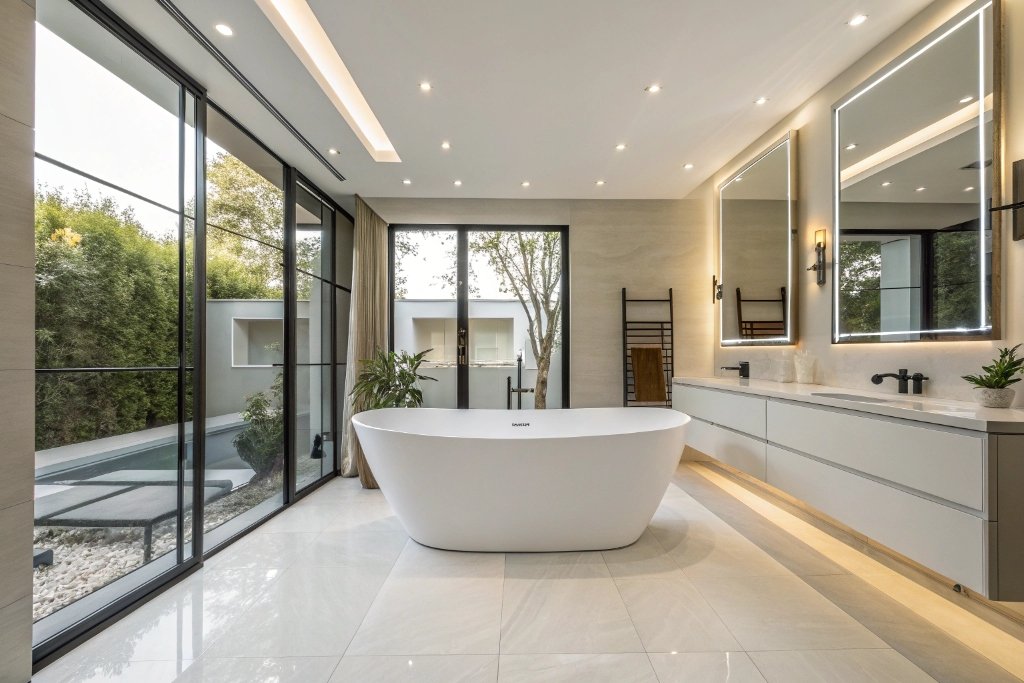
Is Acrylic the Right Choice for Your Next Project?
Acrylic is a strong option for bathroom brands, importers, wholesalers, and project buyers that need a balance of product design, manufacturing flexibility, and export practicality.
It is especially suitable for brands that want to develop:
- freestanding acrylic bathtub collections;
- alcove bathtub lines;
- compact soaking tubs;
- thin-edge bathtub designs;
- matte or glossy bathtub finishes;
- private-label bathtub products;
- OEM/ODM acrylic bathtub programs.
The key is not only choosing acrylic as a material, but choosing the right acrylic bathtub manufacturer.
A well-made acrylic bathtub depends on material quality, thermoforming control, reinforcement, surface finishing, trimming accuracy, packaging, and final inspection. When these steps are controlled properly, acrylic bathtubs can support both visual appeal and stable long-term performance.
As a Vietnam-based OEM/ODM acrylic bathtub manufacturer, Salvere supports global bathroom brands with acrylic bathtub development, custom sizing, surface finish options, overflow and drain customization, packaging planning, and stable export production.
In most scenarios, particularly for projects demanding a balance of quality, aesthetics, practicality, and cost, acrylic emerges as the clear winner.
👉 Learn more about Salvere Bath OEM/ODM capabilities
and how we manufacture acrylic bathtubs in Vietnam.
FAQ
What is the best bathtub material for bathroom brands?
The best bathtub material depends on the brand’s market position, project type, logistics needs, and product development strategy. Acrylic is often a practical choice for bathroom brands because it supports flexible design, lighter shipping, easier installation, and scalable OEM/ODM production.
How do solid surface bathtubs compare to acrylic bathtubs?
Solid surface bathtubs offer a premium stone-like look and solid feel, but they are heavier and more demanding in shipping and installation. Acrylic bathtubs are usually more flexible for scalable product collections, custom shapes, and export-oriented OEM/ODM programs.
Acrylic vs steel tub: which is better for projects?
Acrylic tubs are usually lighter, warmer to the touch, and more flexible in design. Steel tubs can be durable, but their enamel surface may chip, and exposed metal can become a long-term concern in some applications.
What are the main pros and cons of acrylic bathtubs?
Acrylic bathtubs are lightweight, customizable, warm to the touch, and suitable for different shapes and sizes. Their main limitation is that quality depends strongly on material thickness, reinforcement, surface finishing, and manufacturing control.
Are acrylic bathtubs good for OEM/ODM projects?
Yes. Acrylic is suitable for OEM/ODM bathtub projects because it can be thermoformed into different shapes, sizes, and styles while supporting repeatable production and export-friendly packaging.


