
In my role as an acrylic bathtub manufacturer with Salvere, I've seen how design innovation can solve common renovation challenges. Japanese soaking tubs are a prime example: they deliver a luxurious bathing experience even in the tightest spaces. This makes them a fascinating study in form meeting function.
Japanese soaking tubs offer a unique solution for modern compact living, providing full-body immersion and a deeply relaxing, spa-like experience in a significantly smaller footprint than traditional bathtubs. Their distinctive deep, upright design is ideal for urban apartments and smaller bathrooms, combining aesthetic simplicity with functional luxury and efficient space utilization, making them an increasingly popular choice for developers and homeowners alike.
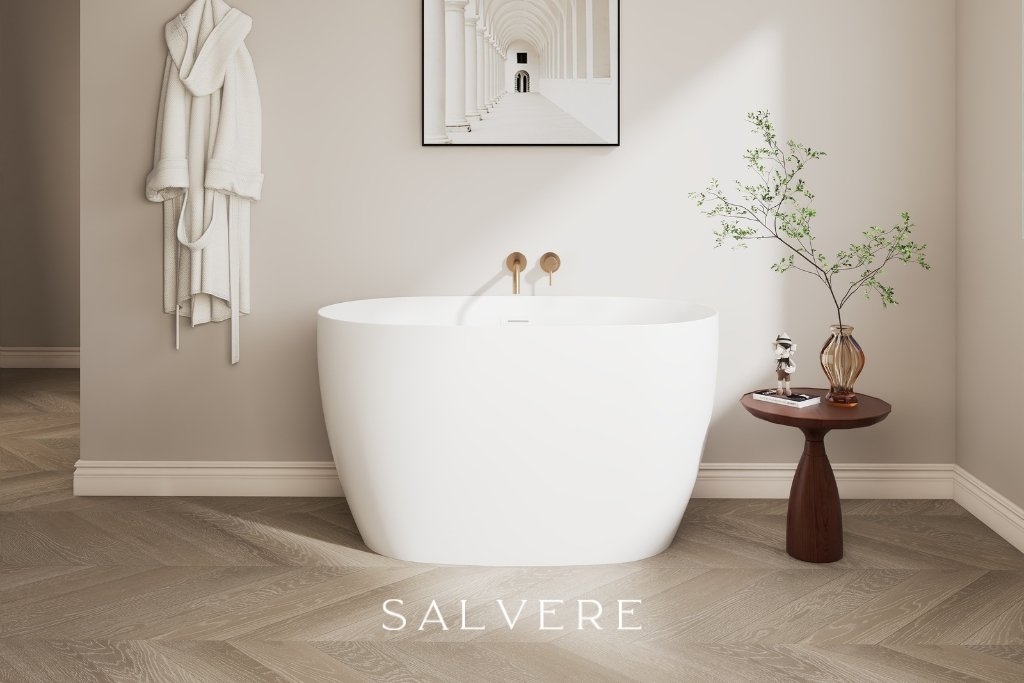
Let's dive into what makes these specialized tubs such an appealing option for today's living spaces.
What Makes Japanese Soaking Tubs Unique?
It's all about depth over length.
Japanese soaking tubs are unique due to their distinctive design which prioritizes impressive depth over extended length, allowing bathers to sit upright and achieve full-body immersion in hot water within a compact footprint. This vertical design, in contrast to traditional Western tubs, provides a deeply relaxing, meditative experience, making them a space-efficient and luxurious choice for homes with limited bathroom dimensions.
When you first encounter a Japanese soaking tub, its difference is immediately apparent.
| Feature | Japanese Soaking Tub (Ofuro) | Traditional Western Bathtub |
|---|---|---|
| Primary Design | Deep, upright seating for full immersion. | Long, shallow, designed for reclining. |
| Footprint (L x W) | Much shorter (e.g., 40-60 inches), but often wider. | Longer (e.g., 60-72 inches), generally narrower. |
| Depth | Significantly deeper (24-30+ inches). | Shallower (typically 14-18 inches). |
| Purpose | Relaxation, warming, spiritual cleansing. (Often used after washing). | Washing and bathing. |
| Water Usage | Uses significant water to fill depth, but water can be conserved if used for soaking only. | Less water per fill, but less complete immersion. |
| Typical Location | Master baths, small bathrooms, spa areas. | Main bathrooms, master baths. |
Unlike Western tubs designed for washing, Japanese soaking tubs, or ofuro, are typically used after one has already cleansed themselves. The goal is pure relaxation and warmth. This focus on deep immersion for comfort, rather than washing, defines their unique structure and purpose.
Full-Body Comfort in a Compact Footprint
Small space, big indulgence.
Japanese soaking tubs brilliantly offer full-body comfort within a compact footprint by prioritizing depth over length, allowing bathers to sit upright and submerge completely. This space-saving design ensures that even the smallest bathrooms can accommodate a luxurious bathing experience, providing a deeply relaxing soak without requiring the extensive floor space of a traditional reclining bathtub.
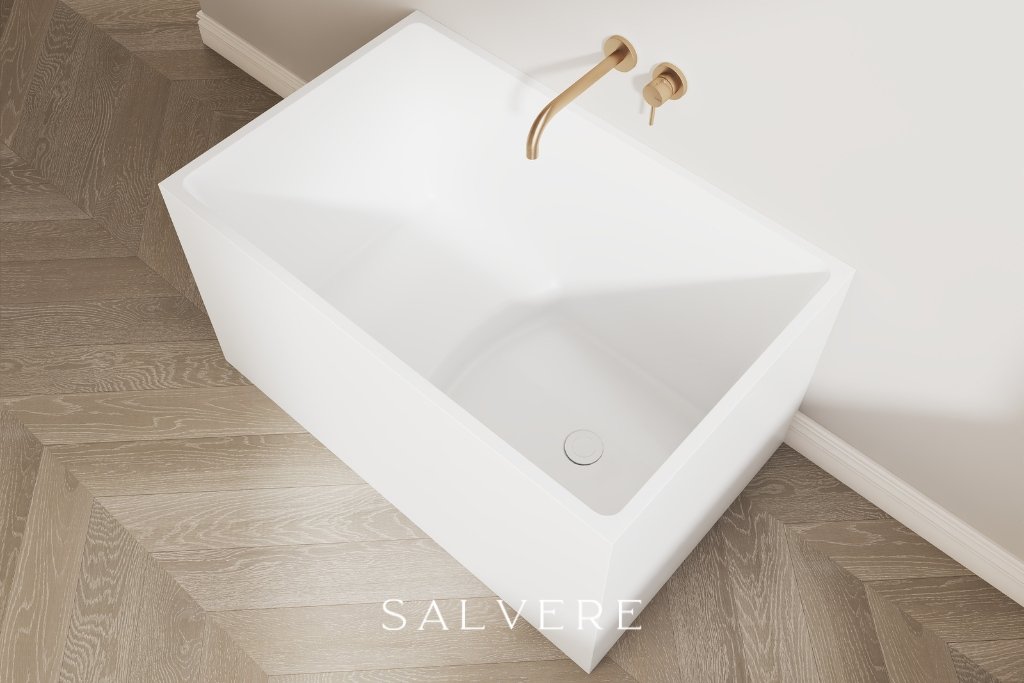
This is one of the most compelling advantages, especially for modern living.
- Vertical Space Utilization: Instead of spreading horizontally, Japanese tubs use vertical space. This means you get excellent immersion without taking up an entire wall. I've seen how impactful this can be when advising clients on optimizing tight bathroom layouts.
- Seated Immersion: The design allows you to sit upright, with the water often reaching your neck or shoulders. This position is incredibly relaxing and provides a sense of envelopment that a shallower, longer tub simply cannot.
- Ergonomic Design: Many modern Japanese soaking tubs include integrated seats or ergonomic curves to enhance comfort in the seated position.
- Luxurious Feel: Despite their smaller size, the deep water and upright posture create a feeling of luxury and escape that can transform a daily routine into a spa-like ritual.
- Heat Retention: With more water contained in a smaller surface area, some types of Japanese soaking tubs can be very efficient at retaining water temperature for longer periods, extending your relaxation.
For anyone with a smaller bathroom craving a truly immersive bath, these tubs are a game-changer.
Ideal for Apartments, Condos, and Urban Homes
The perfect fit for city living.
Japanese soaking tubs are ideal for apartments, condos, and urban homes due to their compact, deep design that maximizes bathing luxury within limited bathroom footprints. These spaces often lack the square footage for traditional long bathtubs, making the upright, full-immersion experience of a Japanese soaking tub a practical yet indulgent solution for efficient space utilization in high-density living environments.
I often recommend Japanese soaking tubs to developers and homeowners in urban areas where space is a premium.
- Solving Space Constraints: Urban dwellings, by nature, often have smaller bathrooms. A traditional 60-72 inch tub simply won't fit, or it leaves no room for anything else. A 40-inch Japanese soaking tub, however, can fit comfortably.
- Adding a "Luxury" Feature: For city residents, a bathtub can be a sought-after amenity. Japanese soaking tubs allow architects and designers to include a bath in layouts where it would otherwise be impossible, instantly elevating the perceived luxury of the apartment or condo.
- Modern Aesthetic Fit: The clean lines and often minimalist design of these tubs blend perfectly with modern apartment aesthetics. They don't look out of place; they look thoughtfully chosen.
- Versatility: Some Japanese soaking tubs can even be installed as a shower/tub combo, further saving space while still offering both options.
These tubs demonstrate that compact living doesn't mean compromising on comfort or style.
Deep, Vertical Design vs. Traditional Western Tubs
A fundamental philosophical difference.
The core difference between a Japanese soaking tub's deep, vertical design and a traditional Western tub lies in their purpose: the Japanese tub prioritizes upright, full-body immersion for meditative relaxation, while the Western tub is designed for reclining, combining washing and bathing in a longer, shallower form. This distinction impacts space usage, comfort posture, and the overall bathing experience, making each suited to different preferences and bathroom layouts.
It's not just a matter of size; it's a completely different approach to bathing.
| Feature | Japanese Soaking Tub (Ofuro) | Traditional Western Bathtub |
|---|---|---|
| Posture | Seated upright, often with knees bent, fully submerged. | Reclined, stretched out, often with shoulders or legs above water. |
| Water Depth | Very deep (24-30+ inches) to cover the entire body. | Moderate depth (14-18 inches), designed for partial immersion. |
| Length | Short, compact, vertical orientation. | Long, designed for horizontal stretch. |
| Primary Function | Relaxation, heat therapy, stress relief. Usually for a clean body. | Washing and bathing. |
| Space Needs | Requires less floor length, but needs depth. | Requires significant floor length. |
| Typical Fill | Filled with hot water, often maintained at specific temperatures. | Filled with warm water, often mixed during filling. |
I find that once people understand the unique purpose and comfort of a Japanese soaking tub, they appreciate its design much more. It's about a quality of immersion rather than quantity of space.
Aesthetic Simplicity Meets Functional Luxury
Clean lines, high comfort.
Japanese soaking tubs embody aesthetic simplicity meeting functional luxury through their minimalist design, clean lines, and compact form, which belies their capacity for deep, restorative full-body immersion. This combination allows them to seamlessly integrate into modern bathroom aesthetics while delivering an unparalleled spa-like experience, offering sophisticated comfort without visual clutter or excessive footprint.
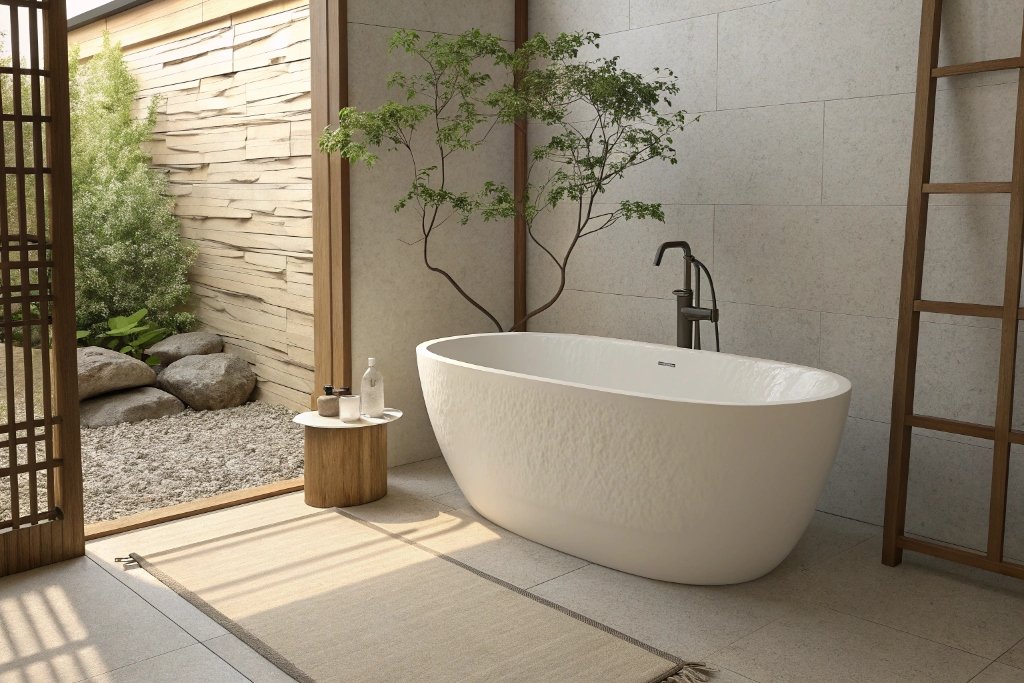
This particular benefit is why they appeal to so many designers and homeowners today.
- Minimalist Appeal: The simple, clean lines of a Japanese soaking tub fit perfectly into contemporary and minimalist bathroom designs. They often look like a carefully sculpted basin rather than a bulky fixture.
- Understated Elegance: Their lack of ornate features or excessive bulk contributes to an understated elegance. They don't scream for attention; they invite it through their serene presence.
- Seamless Integration: With their compact footprint, they can be integrated into various bathroom layouts without overwhelming the space. This is especially true for models with thin edges and smooth curves, a design we prioritize in our acrylic tubs at Salvere.
- Focus on the Experience: The simplicity of their design removes distractions, putting the focus entirely on the experience of deep, warm water immersion. This is functional luxury in its purest form.
- Material Aesthetics: Whether it's the warm grain of Hinoki wood, the smooth feel of a solid surface, or the versatile finish of acrylic, the material often contributes significantly to this blend of simplicity and luxury.
They prove that luxury isn't about size; it's about thoughtful design and quality of experience.
Customization Options for Tight Layouts
Tailoring the tub to the space.
Customization options for Japanese soaking tubs are extensive, allowing them to perfectly fit tight layouts through variations in size, shape, and material. Manufacturers can tailor dimensions (like length, width, and depth), integrate ergonomic seating, or adapt to specific corner or alcove installations, ensuring that even the most challenging small bathroom can feature a luxurious, space-efficient soaking solution without compromising comfort or aesthetics.
This is where working with a specialized manufacturer like Salvere becomes invaluable.
- Variable Dimensions: While there are standard sizes, Japanese soaking tubs are more amenable to custom sizing than traditional tubs. We can adjust length, width, and depth slightly to fit an awkward nook or precisely fill a specific available space.
- Corner and Alcove Designs: You are not limited to freestanding models. Many manufacturers offer drop-in, corner, or alcove versions that seamlessly integrate into a smaller existing layout.
- Material Versatility:
- Acrylic: At Salvere, we excel at thermoforming acrylic into precise, custom shapes and sizes. This flexibility is perfect for bespoke layouts. We can create thinner edges and seamless curves that maximize interior space.
- Solid Surface: Can be cast into custom dimensions, offering a sleek, uniform look.
- Custom Tile/Stone: For a built-in look, custom-tiled concrete tubs offer complete dimensional freedom but require more complex construction.
- Integrated Features: Options like built-in steps, ergonomic seats, or specific faucet placements can be designed to optimize comfort and accessibility within a tight space.
- Drain Location: Customizing drain placement can simplify plumbing in a challenging renovation, avoiding costly reconfigurations.
The ability to customize means that almost any bathroom, no matter how small, can accommodate a deep soaking tub.
Material Choices: Acrylic, Hinoki Wood, or Stone?
The material defines the experience.
Material choices for Japanese soaking tubs significantly impact their aesthetic, thermal properties, maintenance, and cost, with acrylic offering versatile design and warmth, Hinoki wood providing traditional aromatherapy and natural beauty, and stone delivering a luxurious, durable, and excellent heat-retaining option. Each material caters to different preferences, ensuring a tailored spa experience from the tub's very essence.
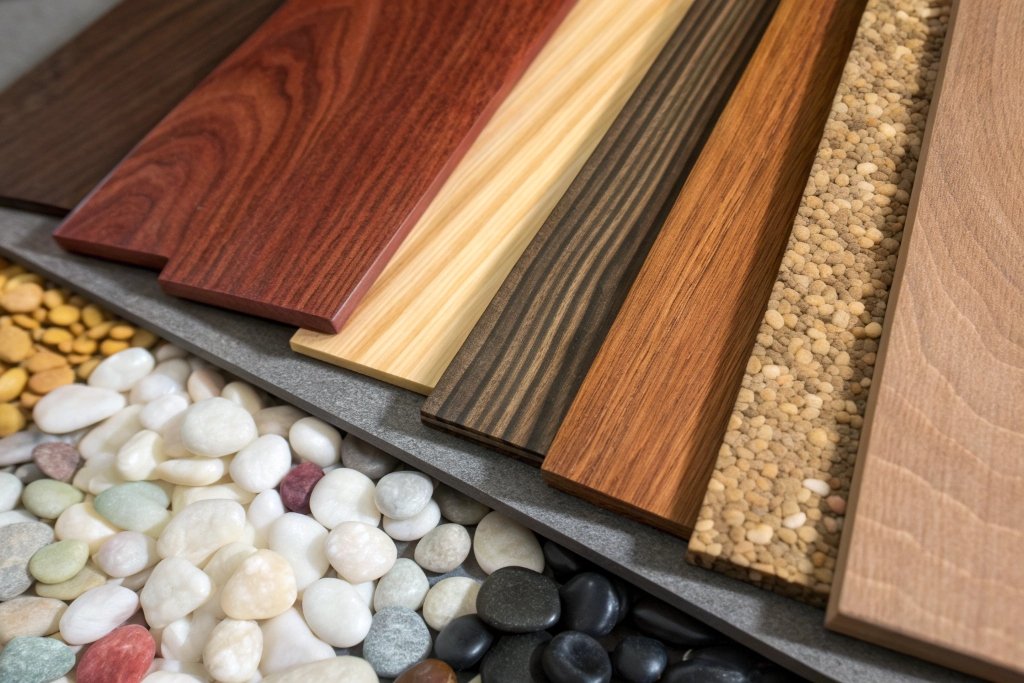
Each material brings a different quality to the bathing experience.
| Material | Characteristics | Best For |
|---|---|---|
| Acrylic | Versatile, lightweight, warm to touch, retains heat well, easy to clean, cost-effective. Excellent for modern, custom designs. | Modern aesthetics, budget-conscious luxury, those valuing ease of maintenance and design flexibility. |
| Hinoki Wood | Traditional, aromatic (lemony scent), naturally anti-bacterial, beautiful grain, warm feel. Requires specific maintenance. | Authentic Japanese experience, natural material lovers, those valuing aromatherapy and aesthetic warmth. |
| Stone (Granite, Marble, etc.) | Extremely durable, luxurious, excellent heat retention, unique natural patterns. Very heavy, expensive. | High-end luxury, long-term investment, those valuing natural materials and substantial presence. |
| Solid Surface | Seamless, smooth, durable, excellent heat retention, uniform color, repairable. A modern alternative to stone. | Contemporary designs, those wanting a sleek, durable, and luxurious non-porous material. |
| Copper/Stainless Steel | Unique aesthetic, excellent heat conduction, durable. Can be expensive. | Industrial-chic designs, unique statement pieces. |
At Salvere, we specialize in acrylic, allowing us to create beautifully designed, thermally efficient, and robust Japanese soaking tubs that are accessible and easy to maintain.
Why Developers Are Turning to Compact Soaking Solutions
Smart choices for market advantage.
Developers are increasingly turning to compact soaking solutions like Japanese tubs because they offer a sophisticated and luxurious amenity that significantly enhances property value and market appeal, especially in urban environments where space optimization is critical. These tubs provide a spa-like experience within smaller footprints, allowing developers to meet buyer demand for premium features without sacrificing unit profitability or overall design efficiency, making them a strategic investment in modern housing.
I've observed a clear trend among developers I work with at Salvere.
-
Maximizing Unit Value: In competitive real estate markets, unique features differentiate properties. A deep soaking tub transforms a standard bathroom into a luxury amenity, allowing developers to command higher prices.
-
Space Efficiency: Developers are constantly trying to maximize usable square footage. The compact nature of Japanese soaking tubs allows them to include a full bathing experience even in smaller bathrooms or secondary baths, which might otherwise only have a shower.
-
Appealing to Modern Lifestyles: Buyers, particularly in metropolitan areas, are often seeking sophisticated, spa-like experiences at home. These tubs cater directly to that demand for wellness and tranquility.
-
Design Flexibility: The aesthetic versatility of these tubs, particularly in materials like acrylic, allows developers to maintain a cohesive design language across different unit types while offering a premium touch.
-
Cost-Effectiveness: When using materials like high-quality acrylic, developers can achieve a luxurious look and feel at a more manageable cost compared to stone or traditional cast iron, optimizing their margins.
For developers, these tubs are a strategic way to add a high-impact, desirable feature without compromising overall project economics.
Conclusion
Japanese soaking tubs are more than just a trend; they offer a practical yet luxurious solution perfectly suited to modern living and evolving design preferences. Whether for space-saving in urban homes or for creating a spa-like retreat, their unique design continues to impress both homeowners and developers.
👉 Learn more about Salvere Bath OEM/ODM capabilities
and how we manufacture acrylic bathtubs in Vietnam.

