
As the head of Salvere, an OEM/ODM manufacturer that relocated its acrylic bathtub factory from China to Vietnam, I have a unique perspective on this question. I've experienced firsthand the strengths and challenges of both manufacturing hubs. This isn't just a theoretical debate for me; it's a strategic decision that shaped our business and directly impacts our clients' bottom lines and supply chain resilience. The "better" choice depends heavily on evolving global economics, trade policies, and your specific business needs.
Choosing between Vietnam and China for acrylic bathtub production hinges on a comprehensive evaluation of evolving production costs, specific manufacturing capabilities, and critical supply chain factors. While China boasts established infrastructure and vast raw material networks, Vietnam increasingly offers competitive labor costs, growing technological advantages, and crucial tariff benefits, especially for North American and European markets. The optimal choice depends on a brand's strategic priorities concerning total landed cost, quality control, customization needs, and the imperative for supply chain diversification and stability in a dynamic global landscape.
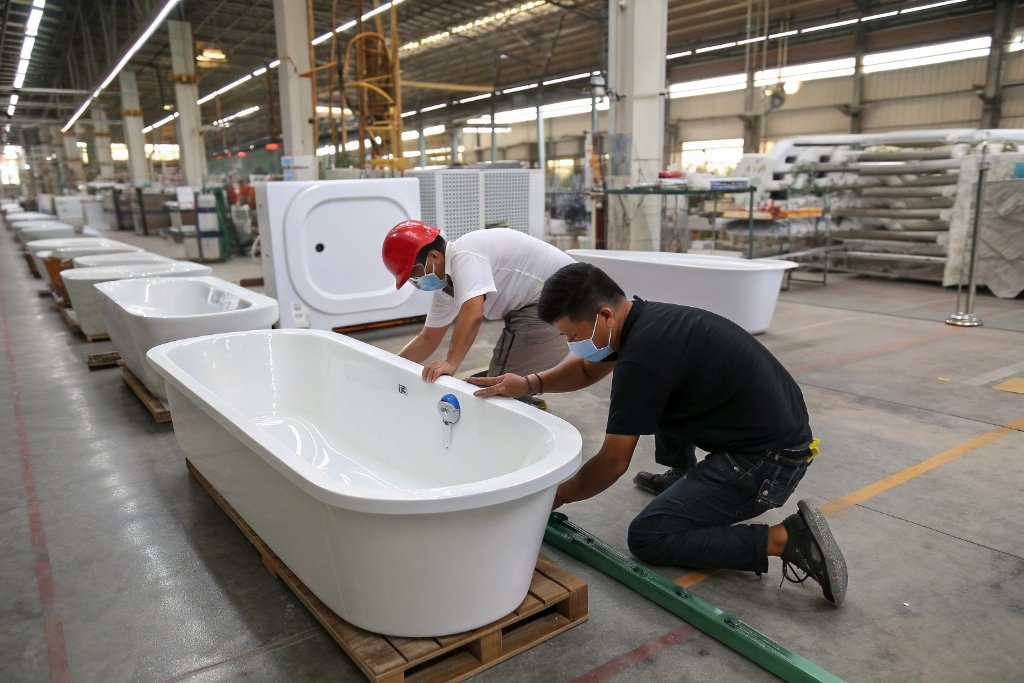
Let's break down the key factors to consider when deciding between Vietnam and China for your acrylic bathtub production.
Production Cost Differences: Materials, Labor, and Tariffs
The bottom line drives big decisions.
Evaluating production cost differences between Vietnam and China for acrylic bathtubs is complex, involving a close look at material sourcing, labor rates, and crucially, tariffs. While China often benefits from economies of scale in raw material purchasing and has a deep supplier network, Vietnam is increasingly competitive due to lower labor costs and significant tariff advantages for exports to North America and Europe. These tariff savings can drastically reduce the total landed cost, making Vietnam a more financially attractive option for many international buyers, despite potential differences in material logistics.
For many businesses, cost is the deciding factor. However, "cost" isn't just the factory gate price; it's the total landed cost.
- Labor Costs:
- Vietnam: Generally lower labor costs compared to China. This is a significant factor in a product like acrylic bathtubs, where skilled labor for finishing, polishing, and assembly is critical.
- China: Labor costs have risen steadily over the past decade, though they still offer a vast and skilled workforce.
- Material Costs:
- China: Benefits from an incredibly established and deep supply chain for raw materials, including acrylic sheets, resins, and components. This can sometimes lead to slightly lower base material costs due to larger-scale production and tighter local supplier networks.
- Vietnam: Many raw materials, especially high-grade acrylic sheets, are still largely imported. This can add to material costs or lead times. However, as Vietnam's industrial base grows, local sourcing options are expanding.
-
Tariffs:
- China: Trade tensions, particularly between the US and China, have led to significant tariffs on many Chinese-made goods, including sanitary ware. These tariffs can add 25% or more to the cost of a product for US importers.
- Vietnam: Enjoys more favorable trade relationships with many Western countries, often resulting in lower or no tariffs. This is a major cost advantage for companies exporting to the US, Europe, and other markets.
This tariff differential was a primary driver for Salvere's relocation. For our clients exporting to the US, the savings on tariffs alone often outweigh any marginal differences in labor or material costs, making Vietnam the more cost-effective choice in terms of total landed cost.
When calculating the true production cost, overlooking tariffs is a critical mistake that can significantly inflate your final price.
Manufacturing Capabilities and Technological Advantages
Efficiency meets innovation.
Assessing the manufacturing capabilities and technological advantages of Vietnam versus China in acrylic bathtub production reveals distinct strengths. China boasts vast, long-established industrial infrastructure and generally higher levels of automation due to decades of investment. However, Vietnam is rapidly investing in modern, purpose-built facilities, like Salvere, integrating advanced thermoforming equipment, precision CNC machines, and intelligent automation systems. While China offers scale, Vietnam increasingly delivers specialized expertise, flexible production, and dedicated technical teams, allowing for high-quality, efficient manufacturing tailored for specific product categories like acrylic bathtubs.
The ability to produce sophisticated, high-quality products consistently depends heavily on a manufacturer's capabilities and technology.
- Infrastructure and Scale:
- China: Has an older, more established, and vastly larger manufacturing infrastructure. This means a greater number of factories and a broader range of available technologies.
- Vietnam: Younger, but rapidly developing. New factories, like Salvere, are often purpose-built with modern layouts and equipment, designed for specific product categories.
- Automation and Technology:
- China: Can easily find highly automated factories across many industries, benefiting from earlier and larger investments in robotics and advanced machinery.
- Vietnam: Automation levels are increasing, particularly in newer facilities. At Salvere, we've integrated intelligent automation and high-precision systems to ensure stable quality and consistent output for acrylic bathtubs.
- Specialization vs. Diversification:
- China: Many factories are diversified, producing a wide range of sanitary ware.
- Vietnam: Often sees more specialized operations. Our facility, for example, is entirely dedicated to acrylic bathtubs, which allows for deep expertise and optimized processes for that single product category.
- Engineering and R&D:
- China: Strong engineering talent pool and extensive R&D capabilities, often able to innovate rapidly.
- Vietnam: A growing pool of skilled engineers, particularly adept at adapting and refining existing technologies. The focus is often on process optimization and customization.
While China offers raw scale and a deep bench, Vietnam's newer, specialized facilities are often highly competitive in specific categories, especially when purpose-built for efficiency and quality.
Quality Control and International Certifications
Adherence to standards.
Quality control and adherence to international certifications are paramount in acrylic bathtub production, with both Vietnam and China demonstrating capabilities, though often with different approaches. China's established manufacturing base means many factories hold ISO certifications and have experience with global standards, but consistency can vary widely. Vietnam, particularly in newer, specialized facilities like Salvere, emphasizes purpose-built quality management systems often aligned with long-standing industry expertise. We ensure strict adherence to North American (UPC), European (CE), and Australian (Watermark) compliance standards, often benefiting from the ability to implement best practices from the ground up, guaranteeing stable quality and consistent output that meets stringent international requirements.
Consistent quality and adherence to global standards are critical for market entry and brand reputation.
- Quality Management Systems:
- China: Many large factories have established ISO 9001 quality management systems. However, the sheer number and diversity of factories mean QC consistency can vary greatly. Due diligence is essential.
- Vietnam: Newer facilities often implement robust quality management systems from inception. At Salvere, our quality management system is backed by FRANK Group’s proven expertise, ensuring rigorous checks at every stage.
- International Certifications:
- China: Has extensive experience navigating various international certification processes (UPC, CE, Watermark, etc.) due to decades of global export.
- Vietnam: Rapidly gaining experience. Facilities like ours are purpose-built to meet these compliance standards from the outset, understanding their critical importance for our key export markets (North America, Europe, and Australia).
- Consistency and Reliability:
- China: Finding a highly consistent quality manufacturer in China requires careful vetting, but they certainly exist.
- Vietnam: Newer, specialized factories offer an opportunity for high consistency, especially when established by experienced groups. Our focus on a single category, acrylic bathtubs, allows us to maintain extremely tight quality control.
One of the primary reasons clients choose Salvere is our unwavering commitment to quality. Our move to Vietnam wasn't to cut corners; it was to find a strategic location where we could replicate and even enhance our quality management system in a new, purpose-built facility, ensuring our bathtubs consistently meet the highest global standards.
For buyers, looking for transparent quality control processes and clear documentation of international certifications is key in both regions.
Supply Chain Stability and Raw Material Availability
The backbone of reliable production.
For acrylic bathtub production, evaluating supply chain stability and raw material availability is crucial, with both Vietnam and China presenting distinct profiles. China has a massive, highly integrated upstream supply chain for raw materials like acrylic sheets and resins, offering robust availability and competitive pricing. However, its concentration can pose geopolitical or logistical risks. Vietnam, while still largely importing high-grade acrylic, is actively building its local support industries. Its advantage lies in offering supply chain diversification, an increasing priority for businesses seeking to mitigate risks, and a more stable environment for certain export markets. A manufacturer's ability to maintain stable raw material access and efficient logistics is paramount in both locations.
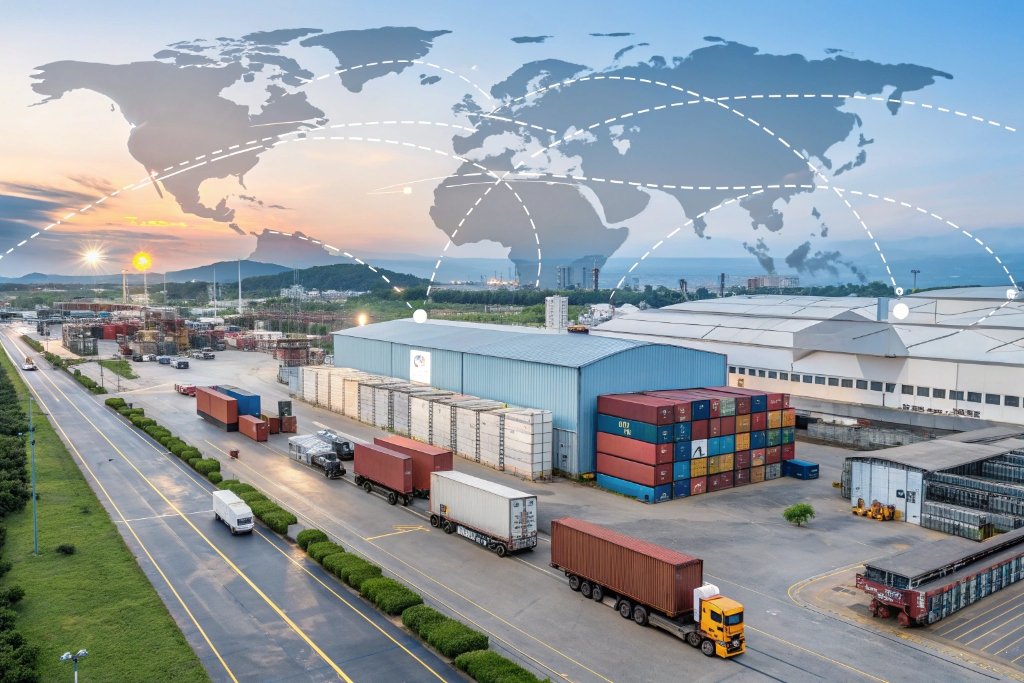
A factory is only as reliable as its supply chain.
- Raw Material Sourcing (Acrylic Sheets, Resins, etc.):
- China: Boasts a highly mature and integrated supply chain for most raw materials. You can find multiple domestic suppliers for acrylic sheets, resins, and all components, often leading to competitive pricing and shorter lead times for material procurement.
- Vietnam: Currently relies more on imports for high-grade acrylic sheets from countries like the UK, Taiwan, or South Korea. This can mean slightly longer lead times for raw materials and sensitivity to international shipping costs. However, Vietnam's domestic support industries are growing.
- Logistics Infrastructure:
- China: Has a highly developed and efficient logistics network (ports, railways, trucking) to move goods domestically and for export.
- Vietnam: Rapidly improving its logistics infrastructure. Major ports (like Ho Chi Minh City) are highly capable.
- Diversification Strategy:
- China: While strong, an over-reliance on China can expose businesses to risks from trade disputes, natural disasters, or geopolitical shifts.
- Vietnam: Offers a crucial opportunity for supply chain diversification. By having production in Vietnam, companies can reduce their dependence on a single manufacturing hub, enhancing overall resilience.
For businesses prioritizing resilience and mitigating geopolitical risks, Vietnam presents a compelling option for supply chain stability.
Lead Time, Logistics, and Shipping Efficiency
The speed of delivery.
Comparing lead time, logistics, and shipping efficiency between Vietnam and China for acrylic bathtub production reveals nuanced differences. China, with its vast manufacturing ecosystem and extensive port network, often offers competitive lead times and a wide array of shipping options, though congestion can be an issue. Vietnam, especially from its major ports like Ho Chi Minh City, has increasingly efficient logistics for international shipping, often providing comparable transit times to key Western markets. Our purpose-built facility in Vietnam focuses on streamlined production and strategic port access, ensuring optimal lead times and efficient, cost-effective shipping crucial for meeting global brand demands.
Efficient delivery is as important as the quality of the product itself.
- Production Lead Time:
- China: Factory production lead times can vary greatly depending on the factory's scale, efficiency, and order book. Highly efficient factories can be very fast.
- Vietnam: With newer, focused facilities and efficient workflows, production lead times can be highly competitive and often benefit from a less congested production environment. Our 14 standardized production processes at Salvere are designed for this efficiency.
- Ocean Freight Transit Times:
- China: Can be very efficient from major ports (Shanghai, Ningbo, Shenzhen) to global destinations.
- Vietnam: From major ports like Ho Chi Minh City, transit times to North America and Europe are often comparable to, or only slightly longer than, those from major Chinese ports.
- Port Congestion:
- China: Can experience significant port congestion during peak seasons or due to unforeseen events, leading to delays.
- Vietnam: Ports are generally less congested, offering a more predictable shipping environment.
- Inland Logistics:
- China: Extensive road and rail network.
- Vietnam: Improving rapidly, with strategic port locations making inland transport more efficient to the major export hubs.
When calculating total lead time, it’s essential to factor in production time, transit time, and customs clearance for a realistic picture.
OEM/ODM Flexibility and Customization Options
Tailored to your brand.
Assessing OEM/ODM flexibility and customization options is paramount for brands seeking unique acrylic bathtubs, with both Vietnam and China offering capabilities. China, with its vast industrial ecosystem, provides extensive customization at scale, drawing on decades of experience across diverse product types. Vietnam, particularly through specialized manufacturers like Salvere, offers highly focused OEM/ODM services for acrylic bathtubs, benefiting from dedicated engineering teams and modern tooling capabilities. This allows for flexible design modifications, from unique mold creation to integrated features, tailored to meet specific brand requirements while maintaining consistent quality. The choice often depends on the complexity of customization and the desire for specialized expertise.
The ability to customize products to meet specific brand requirements is a core strength of both regions, though with nuanced differences.
- Design and Engineering Expertise:
- China: Vast pool of design and engineering talent, capable of handling a wide range of complex projects across various industries.
- Vietnam: A growing presence of skilled engineers, particularly adept at specialized product categories. At Salvere, our engineering team has deep expertise specifically in acrylic bathtub design and manufacturing.
- Mold Development:
- China: Has numerous mold-making factories with extensive experience and capacity for complex molds.
- Vietnam: Growing capabilities. Our factory has dedicated mold development facilities staffed by experienced technicians; we can create new molds and customize existing ones efficiently for acrylic bathtubs.
- Product Modification and Integration:
- China: High flexibility for modifying existing designs or integrating various components from its extensive supplier network.
- Vietnam: Strong capability for custom modifications and integrating client-specified components, especially in specialized factories. We offer flexible, customized solutions for acrylic bathtubs, from unique shapes to specific jet configurations.
- Intellectual Property (IP) Protection:
- China: While IP protection laws exist, enforcement can sometimes be challenging. Careful due diligence (contracts, registrations) is crucial.
- Vietnam: Generally perceived as having improving IP protection, though robust legal agreements are still vital.
For complex, specialized products like acrylic bathtubs, choosing a manufacturer with deep, category-specific OEM/ODM expertise can be more beneficial than simply a factory that offers broad customization across many product types.
Tariff Considerations and Their Impact on Total Landed Cost
The hidden cost differentiator.
Tariff considerations profoundly impact the total landed cost when choosing between Vietnam and China for acrylic bathtub production, often outweighing differences in factory gate prices. Goods exported from China to key markets like the US and EU frequently incur substantial tariffs, adding 15-25% or more to the final cost. In contrast, Vietnam benefits from more favorable trade agreements, often translating to significantly lower or zero tariffs. This can result in a much lower total landed cost for products manufactured in Vietnam, directly affecting competitive pricing and profit margins for international businesses, making it a pivotal strategic factor in supplier selection.
This is often the single most significant factor currently tipping the scales from China to Vietnam for many international buyers.
- US Tariffs on Chinese Goods:
- Since 2018, the US has imposed Section 301 tariffs on a wide range of Chinese imports, including many sanitary ware products like bathtubs. These tariffs can add 15-25% or more to the cost of goods.
- These tariffs are paid by the importer upon entry into the US, directly increasing the total landed cost and making Chinese-made products less competitive.
- Vietnam's Trade Agreements:
- US: Vietnam does not face the same Section 301 tariffs as China, making its products significantly more price-competitive for the US market.
- EU: The EU-Vietnam Free Trade Agreement (EVFTA) eliminates nearly all tariffs between the EU and Vietnam, making it an attractive sourcing location for European businesses.
- Australia: Vietnam also has favorable trade agreements with Australia (e.g., AANZFTA, CPTPP).
- Calculation of Total Landed Cost:
- Factory Gate Price + Freight Cost + Insurance + Customs Duties (Tariffs) + Local Handling Fees = Total Landed Cost.
- Even if a factory in China offers a slightly lower ex-factory price, the addition of hefty tariffs can easily make the Vietnamese-made product far more cost-effective once it reaches its destination market.
Ignoring the impact of tariffs on the total landed cost is a grave error in today's global trade environment.
Which Location Fits Your Brand Strategy?
Aligning production with purpose.
Ultimately, the choice between Vietnam and China for acrylic bathtub production depends on which location best aligns with your brand's overarching strategy. If your priority is absolute lowest factory gate price (potentially sacrificing some supply chain security or facing tariffs), China's vast and mature ecosystem might appeal. However, if your brand prioritizes tariff advantages, supply chain diversification for resilience, emerging markets, and specialized, high-quality production of specific products like acrylic bathtubs in a more stable environment, then Vietnam, with its competitive labor and growing capabilities, presents a highly compelling and future-forward choice. The decision should reflect a holistic view of cost, risk, quality, and long-term market strategy.
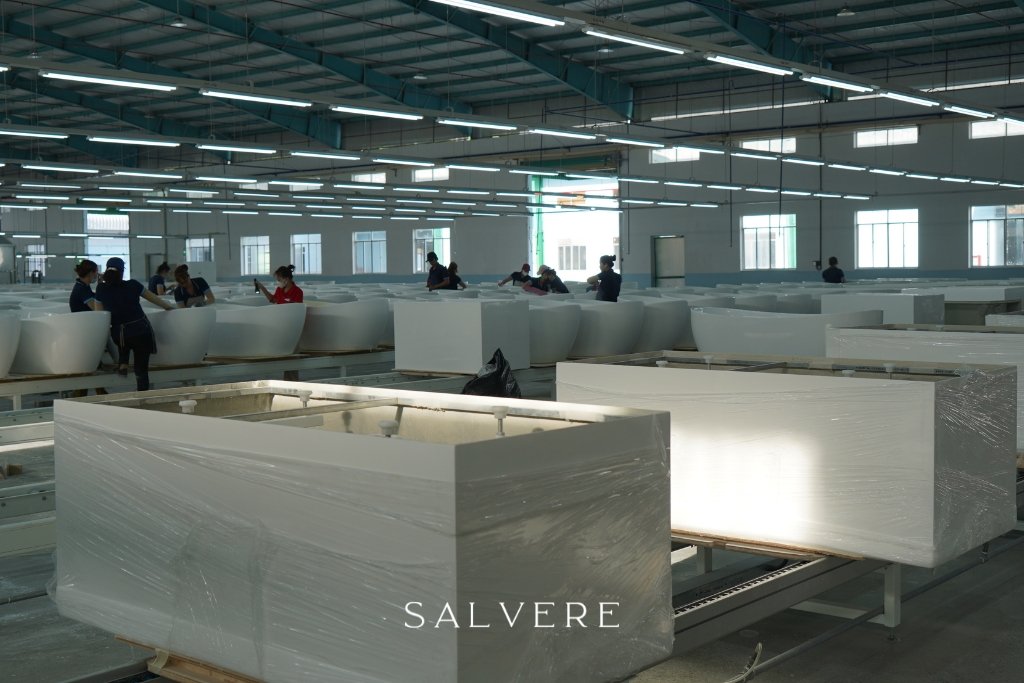
The "better" location is not universal; it's the one that best serves your brand's unique needs and long-term vision.
- Cost-Centric Strategy (Total Landed Cost):
- If your brand's primary driver is the absolute lowest total landed cost, especially for exporting to tariff-impacted regions like the US or EU, Vietnam will likely be superior due to tariff advantages.
- If your market is domestic China or regions unaffected by tariffs, the factory gate price in China might still be more attractive.
- Risk Mitigation and Supply Chain Resilience:
- For brands seeking to diversify their supply chain, reduce geopolitical risks, and avoid over-reliance on a single manufacturing hub, Vietnam is an excellent strategic choice.
- Specialization and Quality for Acrylic Bathtubs:
- If your brand values deep expertise, consistent quality, and a dedicated focus on acrylic bathtub manufacturing, a specialized OEM/ODM like Salvere in Vietnam offers distinct advantages. These new, purpose-built facilities often operate with very robust and transparent quality management systems.
- Scalability and Broad Product Range:
- If your brand requires immense scale across a very broad range of sanitary ware products, with maximum flexibility for components and materials sourced within a single country, China's vast ecosystem might still be a better fit.
- Market Focus:
- If your primary sales market is North America, Europe, or Australia, Vietnam offers significant trade advantages.
- If your primary market is China itself, or other Asian countries with strong trade ties to China, then Chinese production makes sense.
Our strategic bet with Salvere was on aligning with the future needs of global brands: high quality, specialized products, and a diversified, tariff-advantaged supply chain. Every decision we've made, from factory design to raw material sourcing, has been about creating the optimal environment for acrylic bathtub production that directly benefits our international partners.
Carefully weigh these factors against your brand's mission, market position, and future growth objectives. The right choice will be a strategic enabler for your business.
👉 Learn more about Salvere Bath OEM/ODM capabilities
and how we manufacture acrylic bathtubs in Vietnam.
Email:kyle.k@salverebath.com / +86 13302808521


