
As an acrylic bathtub OEM/ODM manufacturer at Salvere, I spend my days deep in the details of bathtub design and production. When clients ask about the core differences between a soaking tub and a regular bath, it goes beyond just size. It's about understanding distinct functionalities, user experiences, and project implications. Making the right choice impacts comfort, design, installation, and ultimately, user satisfaction.
A soaking tub is distinctly deeper than a regular bath, designed specifically for full immersion, often featuring ergonomic contours for extended relaxation and therapeutic benefits, typically requiring more space and specialized plumbing for higher water volume. In contrast, a regular bath serves dual shower/bath purposes with shallower depths, prioritizing functionality and space efficiency. The key differences lie in depth, design for comfort, water usage, and the overall bathing experience, influencing installation, maintenance, and suitability for various project types.
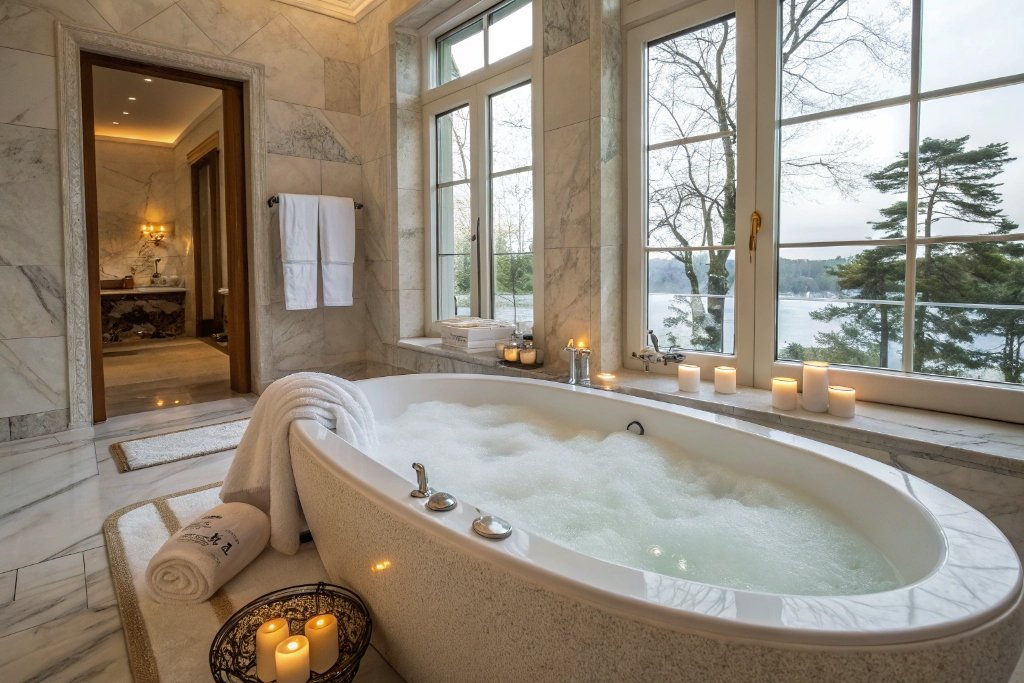
Let's dive into the key differences so you can make the best decision for your next project.
What Is a Soaking Tub?
It's all about immersion.
A soaking tub is specifically designed for deep, full-body immersion, characterized by its significantly greater depth compared to a standard bathtub, allowing bathers to be submerged up to their shoulders while seated upright. These tubs often feature ergonomic designs, comfortable backrests, and maximized internal space to enhance relaxation, aiming to provide a therapeutic, spa-like experience that goes beyond simple washing.
The term "soaking tub" often conjures images of luxury and deep relaxation, and for good reason.
- Purpose: Its primary purpose is not just to clean, but to provide a deep, relaxing soak where the bather can be fully submerged in water, often up to the shoulders. This is about therapeutic relaxation, stress relief, and muscle relaxation.
- Design: Soaking tubs are designed with comfort in mind. They often feature:
- Deeper Basins: This is their most defining characteristic.
- Steeper Backrests: To allow for a more upright, comfortable seating position during a long soak.
- Ergonomic Contours: Sometimes with built-in armrests or lumbar support.
- Compact Footprint (often): While deep, some designs aim for a smaller overall footprint, making them suitable for smaller bathrooms, by trading length for depth.
- Types: They come in various styles like Japanese soaking tubs (Ofuro), which are very deep and short, or freestanding designs that are deeper versions of standard tubs. Clawfoot tubs, while traditional, often offer a deeper soak than standard alcove tubs.
The soaking tub is a commitment to a dedicated bathing experience.
How Deep Is a Soaking Tub Compared to a Regular Tub?
Depth makes all the difference.
A soaking tub is considerably deeper than a regular tub, typically featuring an average water depth of 18-24 inches (46-61 cm) to allow for full-body immersion, where a bather can be submerged up to the shoulders while seated. In contrast, a regular bath generally offers a shallower water depth of about 14-16 inches (36-41 cm), primarily designed for washing with water reaching only to the bather's waist, and often doubling as a shower base due to its more accessible rim height.
The most distinguishing feature is indeed the depth. Let's quantify it:
-
Regular Bathtub Depth (to overflow):
- Typically ranges from 14 to 16 inches (36 to 41 cm).
- This depth is standard for most alcove, drop-in, and even many less expensive freestanding tubs. It allows for bathing, but often only submerges the lower half of an adult's body.
- Optimal for combination shower/bath units, as it keeps the rim height manageable for stepping in and out.
-
Soaking Tub Depth (to overflow):
- Ranges significantly, but generally starts around 18 inches (46 cm) and can go up to 24 inches (61 cm) or even more for specialized Japanese soaking tubs.
- This extra depth is crucial for the full immersion experience, allowing water to reach the shoulders or chest while seated.
- The deeper design often means a higher tub rim, which can be an important consideration for accessibility.
Comparison Table: Key Depth Metrics
| Feature | Regular Bathtub | Soaking Tub |
|---|---|---|
| Typical Depth (to overflow) | 14-16 inches (36-41 cm) | 18-24+ inches (46-61+ cm) |
| Immersion Level | Lower body to waist | Full body to shoulders |
| Rim Height | Lower, easier access | Higher, can require step stool |
| Primary Function | Washing, showering | Deep relaxation, therapeutic soak |
The profound difference in depth fundamentally alters the bathing experience.
Comfort and User Experience: Which Feels Better?
It's about personal preference.
A soaking tub generally provides a superior comfort and user experience for deep relaxation, as its greater depth and ergonomic design facilitate full-body immersion and extended soaks. This allows for a more therapeutic, spa-like feel compared to a regular bath, which, while functional for washing, often leaves parts of the body exposed, diminishing the sense of warmth and immersion. Ultimately, "better" is subjective, depending on whether the user prioritizes dedicated relaxation over general utility and space efficiency.
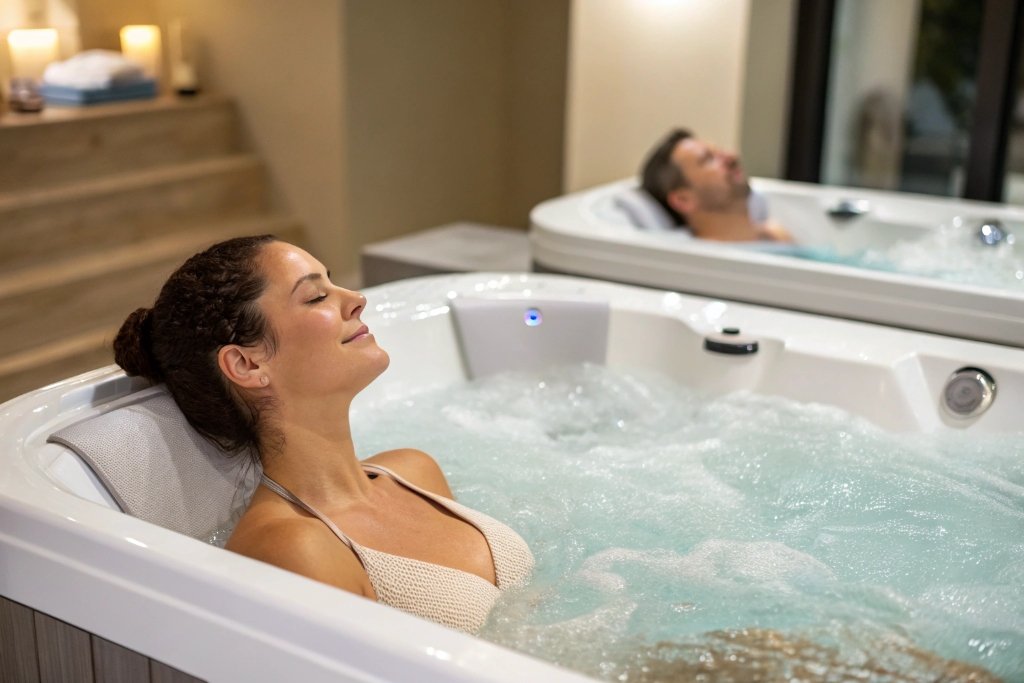
When it comes to comfort, the soaking tub generally has the upper hand if your goal is deep relaxation.
Soaking Tub Experience:
- Full Immersion: This is the primary comfort advantage. Being fully submerged in warm water provides a truly enveloping, relaxing sensation. It helps relax muscles and reduce stress more effectively, much like a hot tub experience.
- Ergonomics: Often designed with more thought given to body positioning. Many soaking tubs have gentle slopes for back support, sometimes even with built-in neck rests or strategically placed armrests, allowing bathers to lounge comfortably for extended periods.
- Therapeutic Potential: Especially when combined with features like air jets (which Salvere specializes in through our acrylic tubs) or chromotherapy, the soaking tub transforms into a personal spa, offering hydrotherapy benefits.
- Warmth Retention: More water volume generally means better heat retention, allowing for longer, more consistently warm soaks. (Especially true for materials like our high-quality acrylic).
Regular Bathtub Experience:
- Functional Comfort: Perfectly adequate for daily washing. You can sit, clean, and get out.
- Limited Immersion: The shallower depth means parts of your body will often be exposed to air, which can make you feel colder and deters from a truly enveloping soak.
- Less Ergonomic Focus: While some regular tubs have comfortable designs, the emphasis is often on maximizing internal space for multi-purpose use (e.g., showering), rather than dedicated soaking ergonomics.
- Accessibility: The lower rim height can be more comfortable for users with mobility issues, making it easier to step in and out.
If relaxation is the priority, a soaking tub delivers a superior experience.
Installation Differences and Space Requirements
Not just about the footprint.
Soaking tubs generally demand more complex installation than regular baths, often due to their increased weight (especially when filled with more water), requiring enhanced floor support, and specialized plumbing for higher capacity drains and faucets, which also consumes more total space for adequate fixture clearances. Regular baths typically have simpler installations, fitting standard alcoves with basic plumbing, and have more forgiving space requirements due to their lighter weight and shallower design, making them versatile for typical bathroom layouts.
The decision between a soaking tub and a regular bath has significant implications for installation and the overall bathroom layout.
Regular Bathtub Installation & Space:
- Installation: Generally straightforward. Most are alcove models, designed to fit into a 3-wall recess. This simplifies plumbing, tiling, and waterproofing.
- Plumbing: Standard drain and overflow, with typical faucet configurations.
- Weight: Lighter, especially when unfilled, requiring standard floor support.
- Space Requirements:
- Length: Typically 60 inches (152 cm), but can range from 48-72 inches (122-183 cm).
- Width: Standard at 30-32 inches (76-81 cm).
- Height: Rim height of 18-22 inches (46-56 cm) for easy step-over.
- Overall: More forgiving on space, especially for combination shower units where the tub also serves as the shower pan, optimizing vertical space.
Soaking Tub Installation & Space:
- Installation: Can be more complex.
- Weight: Much heavier when filled with water, sometimes requiring floor reinforcement, especially for larger or heavier materials (e.g., cast iron, stone, or even large acrylic designs).
- Plumbing: May require floor-mounted or wall-mounted faucets, especially for freestanding models, meaning more intricate plumbing rough-ins.
- Drainage: Requires high-capacity drainage to handle the larger volume of water faster.
- Access: For some drop-in or built-in soaking tubs, ensuring access panels for plumbing maintenance is crucial.
- Space Requirements:
- Length/Width: Can vary widely; some Japanese soaking tubs are very short and wide (e.g., 40x40 inches / 100x100 cm), while larger freestanding models might be 70x40 inches (178x100 cm).
- Clearance: Freestanding soaking tubs require significant clearance around all sides for aesthetic and cleaning purposes, potentially demanding a larger overall bathroom footprint.
- Height: Higher rims might necessitate a step stool for safe entry/exit, which is another space consideration.
- Overall: While some soaking tubs are compact, many require more dedicated space, or a specialized layout, shifting the bathroom aesthetic towards a focal point around the tub.
Careful planning of your bathroom layout and structural capacity is essential when choosing a soaking tub.
Maintenance and Water Usage
Practical considerations matter.
A soaking tub generally demands greater water usage due to its deeper design, requiring significantly more gallons for full immersion compared to a regular bath, which can impact utility bills. Maintenance for soaking tubs with advanced features, like jets, involves specialized cleaning to prevent buildup. Regular baths, with their simpler shallow design, typically consume less water and require only basic cleaning, making them more economical in terms of water and lower maintenance for daily use.
Beyond initial purchase and installation, the ongoing costs and effort for maintenance and water consumption are important factors.
Regular Bathtub Maintenance & Water Usage:
- Water Usage: Typically uses 25-45 gallons (95-170 liters) per bath. This is generally more conservative, making it a good choice for areas with water restrictions or for those conscious of their utility bills.
- Maintenance: Generally low maintenance. Basic cleaning with common bathroom cleaners is usually sufficient. Since they often double as shower bases, regular cleaning is already integrated into the shower routine.
- Durability: High-quality acrylic and fiberglass are durable enough for daily use, but chips or scratches can occur if not cared for.
Soaking Tub Maintenance & Water Usage:
- Water Usage: Significantly higher. Can range from 50-100 gallons (190-380 liters) or even more, depending on the tub's size and depth. This directly translates to higher water and heating costs.
- Maintenance:
- Basic Cleaning: Similar to regular tubs for the surface.
- Advanced Feature Cleaning: If the soaking tub has jets (air or whirlpool), it will require periodic cleaning of the jet system to prevent mold, mildew, or bacteria buildup. This usually involves specialized cleaning solutions and running the jets with the cleaner.
- Material Specifics: Some luxury materials like copper or natural stone require specific cleaning agents and care routines.
- Heat Retention: While they use more water, materials like high-quality acrylic by Salvere, or cast iron, are excellent at retaining heat, meaning the water stays warm for longer, which can enhance the soaking experience without needing to add more hot water.
Evaluate your budget for utilities and your willingness for specialized cleaning routines.
Project Fit: Which Type Works Best for Your Target Market?
Aligning with demand.
Choosing between a soaking tub and a regular bath for a project hinges entirely on aligning with the target market's lifestyle and property value. For luxury homes or upscale hospitality, where the target audience seeks a high-end, spa-like experience and values relaxation, a soaking tub significantly enhances property appeal. Conversely, for budget-conscious developments, family homes, or rental properties, prioritizing functionality, space efficiency, and cost-effectiveness makes a regular bath the more suitable and practical choice, as it accommodates diverse user needs and general utility.
The "best" choice is always the one that aligns most effectively with your project goals, budget, and target market.
Regular Bathtub - Best for:
- Residential Developments (Mid-Tier): For standard family homes where a functional bathroom is expected.
- Rental Properties: Durability, ease of cleaning, and lower upfront cost are critical.
- Guest Bathrooms: Where space might be limited and the tub primarily serves infrequent visitors or as a secondary bath.
- Homes with Young Children: The shallower depth and lower rim make it safer and easier for children and parents.
- Budget-Conscious Projects: Where cost-effectiveness in purchase, installation, and ongoing utility is a priority.
- Combination Shower/Bath Needs: If the bathroom requires both functions and space is a constraint.
Soaking Tub - Best for:
- Luxury Residential Developments: Master bathrooms in high-end homes, condos, or custom builds where a spa-like experience is a key selling point.
- High-End Hospitality (Hotels, Resorts): To provide a premium guest experience and attract discerning clientele.
- Health & Wellness Facilities: Spas, wellness centers, or specialized treatment rooms.
- Renovation Projects with Ample Space: Where a homeowner wants to upgrade their master bath into a personal sanctuary.
- Target Markets Prioritizing Wellness & Relaxation: Buyers who value self-care and are willing to invest in features that enhance their lifestyle.
- Insight: We often see developers choose our premium acrylic soaking tubs for their master suites to clearly differentiate their properties in competitive markets. For secondary baths, they might opt for our standard, durable acrylic tubs. This stratified approach optimizes both perceived value and cost.
Consider the lifestyle, expectations, and value proposition you aim to deliver.
Customization and OEM Flexibility
Tailoring to your specifications.
Customization and OEM flexibility are paramount when choosing bathtub solutions, as they allow brands to tailor products precisely to their project’s unique requirements, whether for design, dimensions, or integrated features. A capable OEM/ODM partner, like Salvere, offers extensive design capabilities, material expertise, and the ability to incorporate specific hydrotherapy systems (e.g., air jets) while ensuring compliance with international standards. This flexibility not only differentiates the product in the market but also optimizes cost-efficiency by eliminating the need for expensive, off-the-shelf modifications during installation.
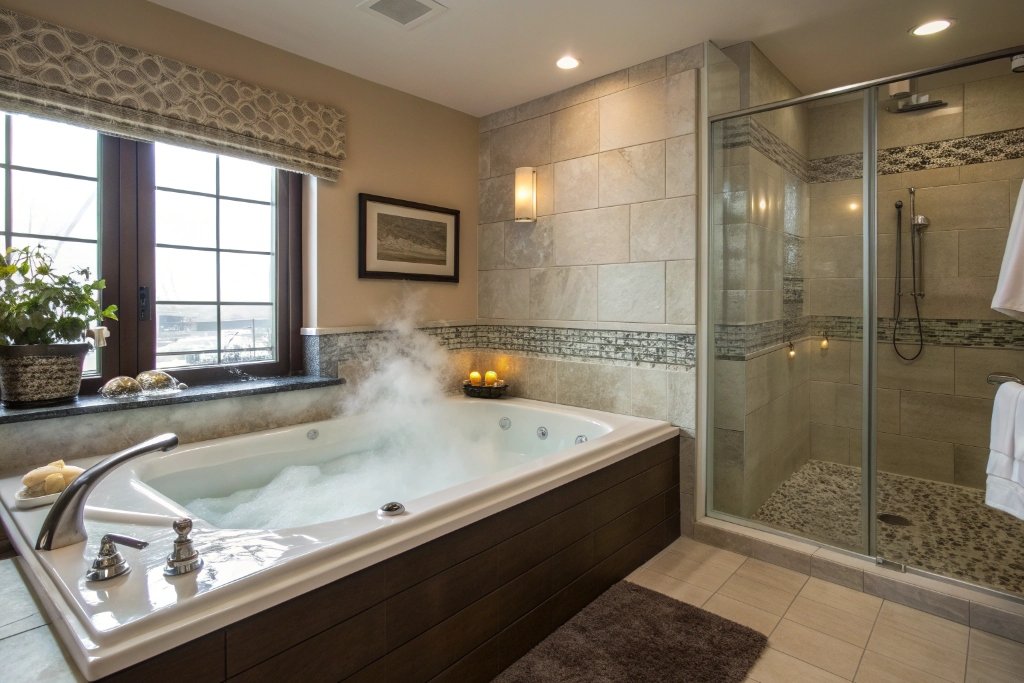
At Salvere, customization and flexibility are at the core of what we offer. This is crucial for brands looking to differentiate or meet specific project needs.
Customization Options Available for Both Types (with a capable OEM/ODM):
- Dimensions: While standard sizes exist, a flexible OEM/ODM can often adjust lengths, widths, and depths (especially for soaking tubs) to fit unique bathroom layouts. This is a game-changer for architects and designers.
- Material Thickness/Quality: For acrylic tubs, we can adjust the thickness of the acrylic sheet to enhance durability and heat retention, offering various grades to meet different budget and quality tiers.
- Feature Integration:
- Jets: Adding air jets or whirlpool systems to soaking tubs is a common request. A good OEM will help design placement and ensure efficient integration.
- Heaters: Inline heaters to maintain water temperature during long soaks.
- Lighting/Audio: Chromotherapy lighting or integrated Bluetooth speakers for an enhanced experience.
- Color and Finish: Beyond standard white, many OEMs can produce tubs in custom colors or specialized finishes to match a particular design scheme.
- Drain & Overflow Placement: Adjusting these can be critical for installation in various markets (e.g., European vs. North American standards).
- Compliance Standards: Ensuring the tub meets specific regional standards (UPC, CE, Watermark, etc.) is a must. A good OEM partner will have experience navigating these complex requirements.
Leveraging an OEM/ODM's flexibility allows you to tailor a bathtub solution that precisely meets your project's unique demands, enhancing its value proposition.
Final Considerations for Procurement Teams
Beyond the price tag.
For procurement teams, the decision between a soaking tub and a regular bath extends beyond initial cost to encompass long-term value, brand reputation, and supplier reliability. Evaluate not only the unit price and logistical feasibility but also the manufacturer's quality control, warranty support, and adherence to international compliance standards. Prioritize partners like Salvere, who offer flexible OEM/ODM services, ensuring consistent quality, design customization, and stable supply, thereby minimizing risks and optimizing total cost of ownership for diverse projects.
For procurement teams, the choice between a soaking tub and a regular bath isn't just about aesthetics or even user comfort. It involves a much broader set of considerations:
- Total Cost of Ownership (TCO): This includes purchase price, shipping, installation costs (labor, plumbing modifications, floor reinforcement), water/heating costs, and long-term maintenance/repair expenses. A cheaper unit might be more expensive in the long run.
- Supplier Reliability: A critical factor, especially for OEM/ODM. Does the manufacturer have a proven track record for consistent quality, on-time delivery, and responsiveness to issues? (At Salvere, under the FRANK Group, we leverage decades of manufacturing expertise.)
- Quality Control and Compliance: Ensure the chosen bathtubs meet all relevant safety, performance, and plumbing codes for your target markets (e.g., UPC for North America, CE for Europe, Watermark for Australia). A manufacturer with a robust QC system is invaluable.
- Warranty and After-Sales Support: What kind of warranty is offered? What is the process for addressing defects or damage during shipping/installation?
- Logistics and Packaging: How are the tubs packaged for shipping to minimize damage? What are the lead times for orders?
- Brand Reputation and Market Acceptance: Especially for luxury projects, the brand of the tub can influence perceived value. For more budget-focused projects, a reliable, functional brand is key.
- Customization Capability: For large-scale projects or unique designs, the ability of the OEM/ODM partner to customize dimensions, features, or materials without prohibitive costs is a huge advantage.
A holistic procurement approach ensures decisions bring value beyond the immediate transaction.
Conclusion
The distinction between a soaking tub and a regular bath is profound, touching on depth, comfort, installation, water usage, and project suitability. Soaking tubs offer deep immersion and therapeutic relaxation for luxury markets, while regular baths provide versatile, space-efficient functionality for broader applications. Procurement teams must weigh total cost, supplier reliability, and customization potential, balancing immediate budget with long-term value and market alignment.
👉 Learn more about Salvere Bath OEM/ODM capabilities
and how we manufacture acrylic bathtubs in Vietnam.


