
Milan Design Week 2026 has once again set the stage for the latest trends in bathroom design, particularly in the bathtub category. With design innovation at the forefront, brands and manufacturers are embracing new materials and shapes, reflecting a shift toward more luxurious, functional, and customized bathroom products.
As one of the most prestigious design events in the world, Milan Design Week offers a unique opportunity for brands to understand shifts in consumer preferences, materials, and manufacturing techniques. In this article, we’ll dive into three key insights from Milan Design Week 2026 and discuss how bathroom brands can leverage these trends to stay competitive in 2026 and beyond.
Quick Answer
Key trends from Milan Design Week 2026 include bathtubs made with wood and stainless steel, highly variable shapes, and innovative edge designs like inner bevels and thin edges. These trends are driven by a demand for uniqueness, luxury, and functional design in modern bathrooms.
The Use of Wood and Stainless Steel in Bathtub Design
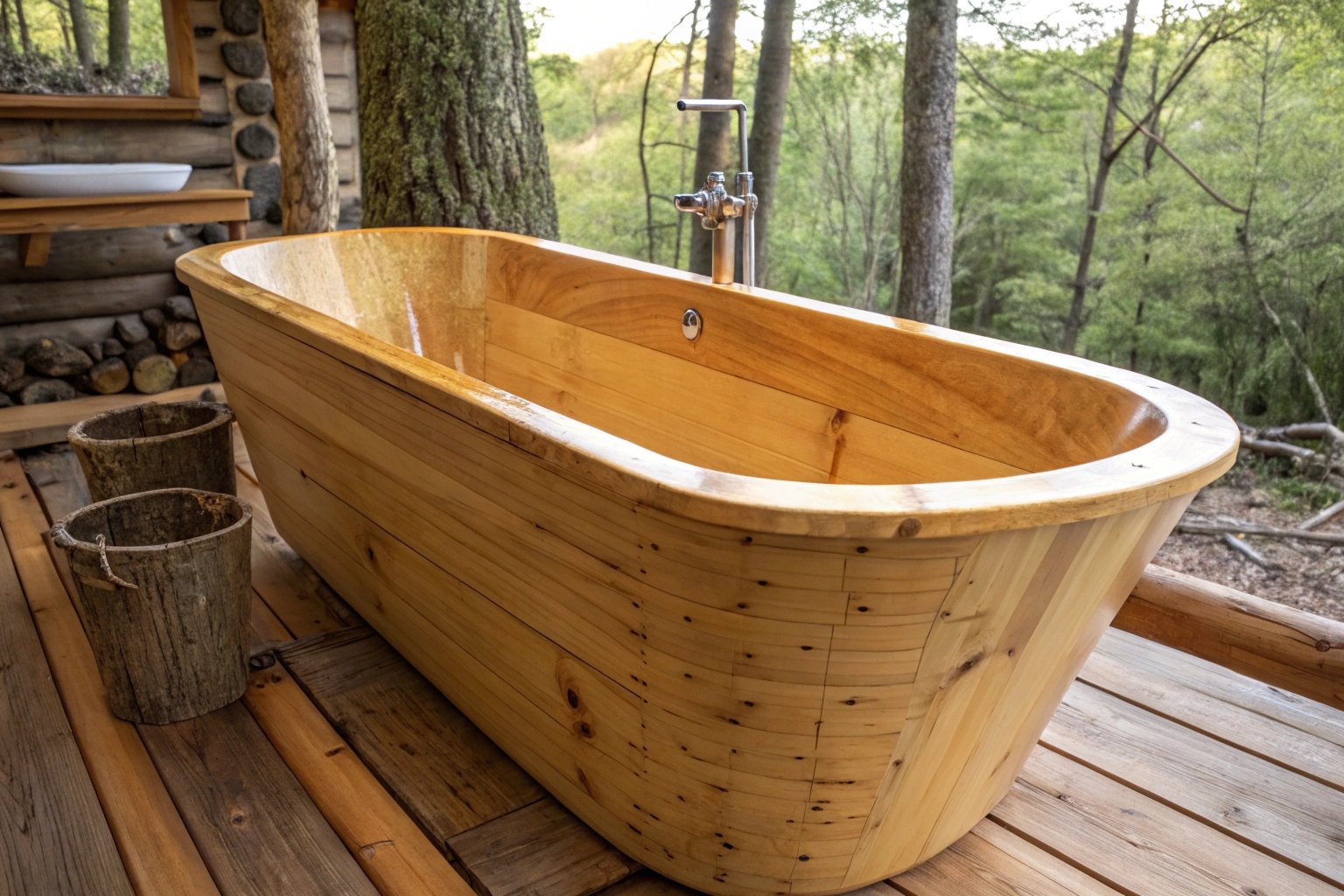
One of the most striking trends at Milan Design Week 2026 was the integration of natural materials like wood and high-quality stainless steel in bathtub construction. Brands like Agape and Salvatori are at the forefront of using these materials, traditionally associated with furniture and high-end architecture, and bringing them into bathroom spaces.
Why This is a Trend:
- Natural materials are increasingly in demand, as consumers seek eco-friendly and organic elements in their bathrooms.
- Wood provides a rich texture and organic feel, while stainless steel offers a sleek, modern look.
- These materials align with the growing desire for luxury bathroom designs that blend aesthetics with functionality.

Craftsmanship and Technology Involved:
- Wooden Bathtubs: The wood needs to be treated to withstand moisture while maintaining its natural texture.
- Stainless Steel: Stainless steel bathtubs provide exceptional durability and modern elegance, but require high-precision molding and welding techniques to achieve a smooth, seamless surface.
Why Luxury Brands Like This:
- Premium Appeal: Luxury brands like Agape and Salvatori prefer these materials because they evoke elegance and exclusivity, offering a unique aesthetic not found in traditional acrylic or ceramic bathtubs.
Highly Variable Bathtub Shapes
Another major trend at Milan Design Week 2026 is the diversification of bathtub shapes. Gone are the days of standard rectangular bathtubs. Today, we’re seeing organic shapes, asymmetrical designs, and even bathtub configurations that resemble sculptural art.
Why This is a Trend:
- Customization and individual expression are becoming more important in bathroom design, reflecting consumers' desire for personalized spaces.
- The rise of freestanding bathtubs and custom designs provides more flexibility for brands to cater to a wider range of customer needs.
Craftsmanship and Technology Involved:
- Advanced Thermoforming: Acrylic bathtubs, in particular, benefit from advanced thermoforming techniques that allow manufacturers to shape the material into complex forms while maintaining structural integrity.
- Mold Development: Manufacturers are investing more in custom molds that allow for more creative shapes and unique designs.
Why Luxury Brands Like This:
- Exclusive Designs: High-end brands are drawn to these unique shapes because they provide a personalized bathroom experience, turning the bathtub into a unique art piece.
How Salvere Aligns with This Trend:
At Salvere, we specialize in customized acrylic bathtub designs, using advanced thermoforming technology to create highly variable and complex shapes that suit modern bathroom trends. Our mold development capabilities ensure that we can meet the unique design requirements of each client while maintaining high quality and production efficiency.
Innovative Edge Designs: Inner Bevels, Rounded, and Thin Edges
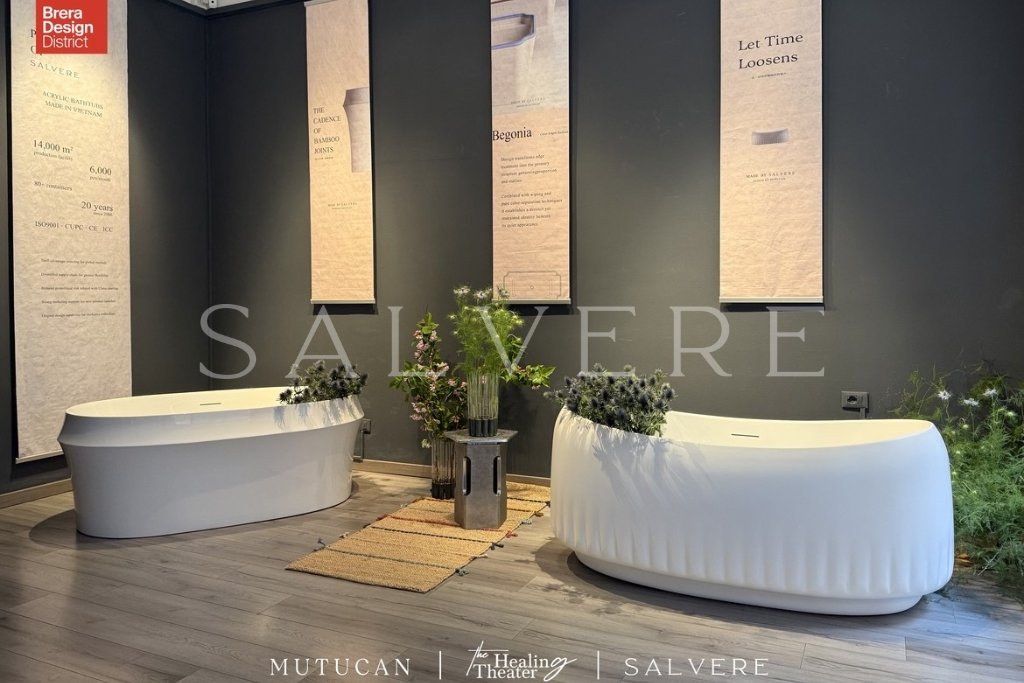
Finally, another important trend at Milan Design Week 2026 was the rise of innovative edge designs. Inner bevels, rounded edges, and extremely thin edges were popular across many bathtubs, with a focus on minimalist aesthetics and smooth lines.
Why This is a Trend:
- Edge design plays a crucial role in defining the overall look and feel of a bathtub. Thin edges, in particular, offer a modern, architectural appeal and contribute to a more open feel in the bathroom.
- Rounded edges and inner bevels create a soft, flowing design, adding elegance and comfort to the bath experience.
Craftsmanship and Technology Involved:
- Thermoforming and CNC Precision: These intricate edge designs require precision thermoforming and CNC cutting technology to ensure each bathtub edge is flawless.
- Multi-layer Polishing: To achieve seamless thin edges and smooth contours, a multi-stage polishing process is necessary to achieve a high-quality finish.
Why Luxury Brands Like This:
- Modern Aesthetic: These designs add a contemporary feel that high-end brands prefer, offering a sleek and sophisticated look for their products.
- Functional Elegance: Thin and rounded edges enhance the overall luxury experience, which is why many luxury brands incorporate these features into their bathroom collections.
How Salvere Aligns with This Trend:
At Salvere, we specialize in creating thin-edge acrylic bathtubs using advanced thermoforming and CNC precision to ensure the highest-quality finish. Our customizable solutions allow us to implement these design trends while maintaining durability and functional performance.
Conclusion
Milan Design Week 2026 showcased the latest trends in bathroom design, from wood and stainless steel bathtubs to innovative edge designs and highly variable shapes. These trends provide exciting opportunities for bathroom brands to stay competitive by incorporating cutting-edge design elements into their products.
As a leader in OEM/ODM acrylic bathtub manufacturing, Salvere is proud to have participated in Milan Design Week 2026 in the Brera Design District. We were thrilled to present our innovative bathtub designs and discuss how we can support brands in bringing the latest trends to market with high-quality, customizable solutions.
We are excited to continue collaborating with bathroom brands globally, offering acrylic bathtubs made in Vietnam with premium design and cost-efficient production.
FAQ
What are the key trends in bathtub design from Milan Design Week 2026?
Key trends from Milan Design Week 2026 include the integration of wood and stainless steel in bathtubs, the rise of highly variable shapes and sculptural designs, and innovative edge designs like thin edges, rounded edges, and inner bevels. These trends reflect a demand for luxury, functionality, and customization in modern bathroom products. :contentReference[oaicite:0]{index=0}
Why are wood and stainless steel bathtubs becoming popular in 2026?
Wood and stainless steel bathtubs are gaining popularity because they offer a unique combination of luxury aesthetics and functional durability. Wood adds a natural, organic feel, while stainless steel brings a sleek, modern touch. These materials align with the growing trend of eco-friendly, luxury bathroom designs that blend aesthetics with practicality.
How are bathtub shapes evolving at Milan Design Week 2026?
At Milan Design Week 2026, the diversification of bathtub shapes is a significant trend. Brands are embracing organic, asymmetrical, and sculptural designs. This shift toward customization and personalized spaces reflects a growing desire for unique, individual bathroom experiences.
What makes thin-edge bathtubs a popular design choice?
Thin-edge bathtubs are favored for their sleek, minimalist appearance, which gives a modern, architectural feel to bathroom spaces. These designs are achieved through advanced manufacturing techniques such as thermoforming and CNC precision. Thin edges create an elegant, open atmosphere, adding to the luxury experience of the bathroom.
How does Salvere align with the latest bathtub design trends?
Salvere is committed to incorporating the latest design trends, including thin-edge acrylic bathtubs with matte finishes and customizable designs. We use advanced thermoforming and CNC precision to create high-quality bathtubs that reflect modern aesthetics while ensuring durability and production efficiency.
Why is customization becoming more important for bathtub brands?
Customization allows bathroom brands to differentiate their products in a competitive market. Consumers are increasingly looking for personalized bathroom solutions, and customization enables brands to offer tailored sizes, unique shapes, and exclusive designs that meet specific consumer preferences. This trend is particularly significant in high-end bathroom collections.


