
Are you a bathroom brand searching for stable manufacturing partners? Many companies face constant challenges with rising costs and unpredictable supply chains. I believe Vietnam offers a powerful and increasingly popular solution for high-quality OEM/ODM production.
Vietnam is rapidly becoming a leading bathroom OEM/ODM base due to its competitive labor costs, strategic geographic location, extensive network of free trade agreements, and the growth of modern, purpose-built manufacturing facilities. This combination makes it an attractive destination for brands seeking to diversify supply chains, reduce risks, and achieve cost-effective, high-quality production for global markets.
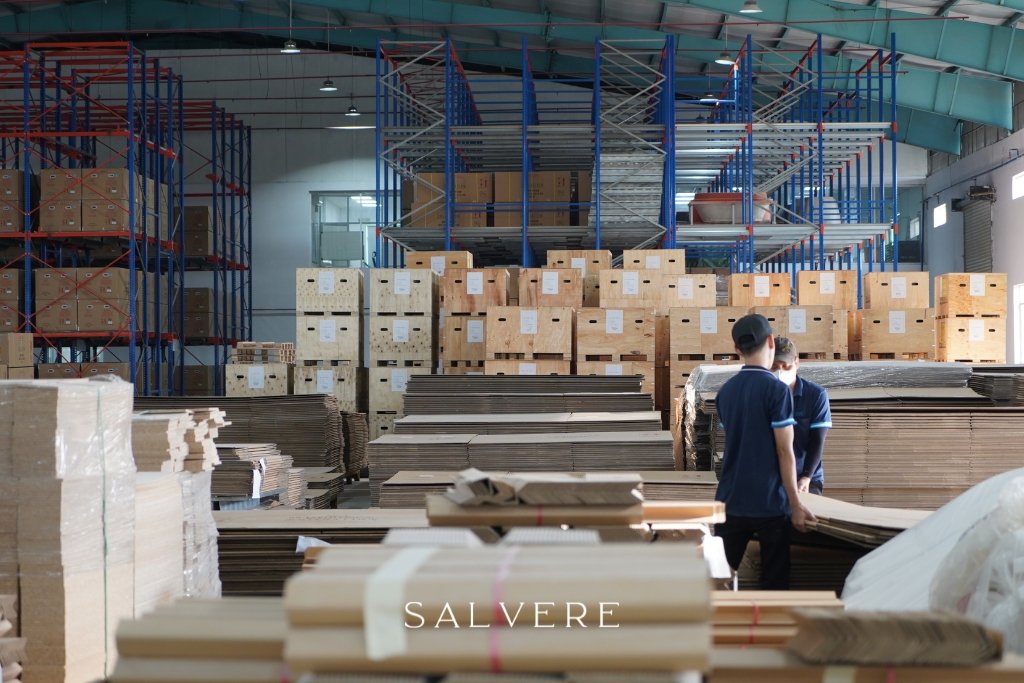
The global manufacturing landscape is always changing. Many brands are looking for new opportunities to build strong, reliable supply chains. Let's explore why Vietnam stands out as a top choice for bathroom product manufacturing.
Competitive Labor Costs with Skilled Workforce?
Are high labor costs impacting your product pricing? Finding skilled workers can be a challenge in many regions. I see Vietnam offering a powerful solution, balancing affordability with growing expertise.
Vietnam combines competitive labor costs with an increasingly skilled and adaptable workforce, driven by a growing young population and government investments in education. This balance provides a significant economic advantage for bathroom OEM/ODM manufacturers, ensuring quality production at a lower operational expense compared to many established hubs, crucial for cost-effective manufacturing without sacrificing quality.
One of the most compelling reasons for bathroom brands to look at Vietnam is its attractive labor market. It offers a unique combination of cost-effectiveness and a rapidly improving skill base, which is vital for modern manufacturing.
Cost Advantage
Compared to more established manufacturing hubs, particularly China, Vietnam generally offers lower labor costs. This translates directly into more competitive pricing for finished bathroom products. For brands facing constant pressure to manage costs, this is a significant advantage that can improve profit margins without compromising quality. This cost efficiency allows brands to offer better value to their customers or reinvest in innovation and marketing.
Demographic Dividend and Education
Vietnam benefits from a young and growing population. This demographic dividend provides a large pool of enthusiastic and trainable workers. The Vietnamese government has also made significant investments in education and vocational training programs. These initiatives are creating a workforce that is not only abundant but also increasingly skilled, adaptable, and capable of operating modern machinery and adopting complex manufacturing processes. High literacy rates and a strong work ethic further enhance the productivity and reliability of the labor force. At Salvere, we have invested heavily in training our local teams in Ho Chi Minh City, ensuring they master our 14 standardized acrylic bathtub production processes. This commitment to developing local talent means we can consistently deliver the quality our partners expect, leveraging Vietnam's human capital effectively.
Stable Workforce
Compared to some regions experiencing rapid industrialization, Vietnam also offers a relatively stable workforce. Lower turnover rates and a strong sense of community contribute to consistent production quality and efficiency. This stability is crucial for OEM/ODM manufacturers who need to build long-term, reliable production lines. My experience confirms that a well-trained, stable workforce is fundamental to achieving high manufacturing standards consistently.
Strategic Geographic Location and Export Logistics?
Are long shipping times and complex logistics slowing your supply chain? Location is absolutely key for efficient global trade. I see Vietnam offering a prime spot for seamless, cost-effective export.
Vietnam's strategic location in Southeast Asia, with its long coastline and numerous deep-water ports, positions it ideally for efficient export logistics to global markets. Proximity to major shipping lanes and established trade routes facilitates faster transit times and reduced freight costs. This makes it an attractive hub for bathroom OEM/ODM operations focused on international distribution, ensuring timely and cost-effective delivery to key markets.
A country's geography plays a huge role in its manufacturing appeal, especially for brands targeting international markets. Vietnam's location is a significant asset, optimizing export logistics and reducing overall landed costs for bathroom products.
Prime Maritime Access
Vietnam boasts an extensive coastline that stretches over 3,200 kilometers. This natural advantage has led to the development of several deep-water ports, including key hubs like Ho Chi Minh City (which is where our Salvere factory is located), Haiphong, and Da Nang. These ports are strategically positioned along major global shipping lanes. This means that goods manufactured in Vietnam can be shipped directly and efficiently to key consumer markets around the world, including North America, Europe, and Australia.
Reduced Transit Times and Costs
The proximity to these international shipping routes translates into shorter transit times compared to more inland manufacturing locations. Shorter transit times mean products reach their destinations faster, reducing lead times for brands and enabling quicker response to market demand. It also often results in reduced freight costs, as ships spend less time at sea and face fewer navigational complexities. These cost and time efficiencies are critical for maintaining competitive pricing and ensuring customer satisfaction.
Investment in Infrastructure
The Vietnamese government has consistently invested in upgrading its port infrastructure, road networks, and logistics capabilities. These ongoing improvements ensure that the movement of goods, from factory to port and then globally, is becoming increasingly streamlined and efficient. For an OEM/ODM manufacturer like Salvere, having access to such robust and continuously improving logistics infrastructure is invaluable. Our decision to move our acrylic bathtub factory to Vietnam was heavily influenced by these export advantages. We knew that while our clients valued the quality assurance from our Chinese manufacturing roots, they also needed reliable, efficient export solutions to mitigate future risks and ensure their products reached markets predictably. Our location in Ho Chi Minh City directly serves this need, underscoring our commitment to solving client challenges and building strong, long-term partnerships.
Tariff Benefits and Free Trade Agreements?
Are tariffs impacting your product prices and competitiveness? Trade barriers can significantly erode profit margins. I see Vietnam offering a strategic solution with its impressive network of favorable trade agreements.
Vietnam offers significant tariff benefits through a robust network of Free Trade Agreements (FTAs) with major global economies, including the EU, UK, and CPTPP members. These agreements reduce or eliminate import duties on Vietnamese-made goods, providing a crucial cost advantage for bathroom brands. This helps mitigate risks associated with unpredictable tariff changes in other manufacturing regions, ensuring more stable pricing and enhanced market access.
In today's complex global trade environment, tariffs can be a major hurdle for brands. Vietnam's proactive approach to international trade agreements provides a significant advantage for OEM/ODM manufacturers and their clients.
Extensive Network of FTAs
Vietnam has aggressively pursued and secured a wide array of Free Trade Agreements with many of the world's largest economies. These include:
- EVFTA (EU-Vietnam Free Trade Agreement): This agreement largely eliminates tariffs between Vietnam and the European Union, making Vietnamese products highly competitive in the lucrative EU market.
- UKVFTA (UK-Vietnam Free Trade Agreement): Similar to the EVFTA, this agreement provides preferential access for Vietnamese goods to the United Kingdom.
- CPTPP (Comprehensive and Progressive Agreement for Trans-Pacific Partnership): This agreement links Vietnam with key markets across the Pacific Rim, including Canada, Australia, Japan, and Mexico, offering reduced tariffs.
- RCEP (Regional Comprehensive Economic Partnership): The world's largest trade bloc, including ASEAN nations, China, Japan, South Korea, Australia, and New Zealand, further streamlines trade for Vietnam within Asia and Oceania.
Direct Financial Savings
The most direct benefit of these FTAs is the reduction or elimination of import duties on goods manufactured in Vietnam. For bathroom brands, this means a lower landed cost for their products when exporting to countries covered by these agreements. This is a critical financial advantage that can be passed on to consumers as lower prices, or used to improve profit margins, making Vietnamese-sourced products more attractive in competitive global markets.
Mitigating Tariff Risks
The past few years have shown us how quickly tariff landscapes can change, especially with geopolitical tensions. Brands that rely heavily on a single manufacturing country, particularly one facing trade disputes, are vulnerable to sudden and unpredictable tariff increases. By manufacturing in Vietnam, brands can diversify away from these risks. My insight here is clear: our Salvere factory's relocation to Vietnam was a direct strategic response to this. We understood that while our clients wanted the proven quality assurance of our Chinese manufacturing expertise, they also desperately needed to lower their tariff exposure and gain supply chain flexibility. Our goal is to serve our clients by helping them solve these complex challenges, ensuring they have a diversified supply chain model that can withstand future tariff changes and build stronger, more reliable long-term partnerships.
Vietnam's extensive FTA network provides a powerful shield against trade uncertainty and a clear path to cost-effective global market access.
Growth of Purpose-Built OEM/ODM Facilities?
Are you looking for modern manufacturing but struggle with outdated factories? Infrastructure matters for quality and consistency. I see Vietnam rapidly building world-class, purpose-built facilities.
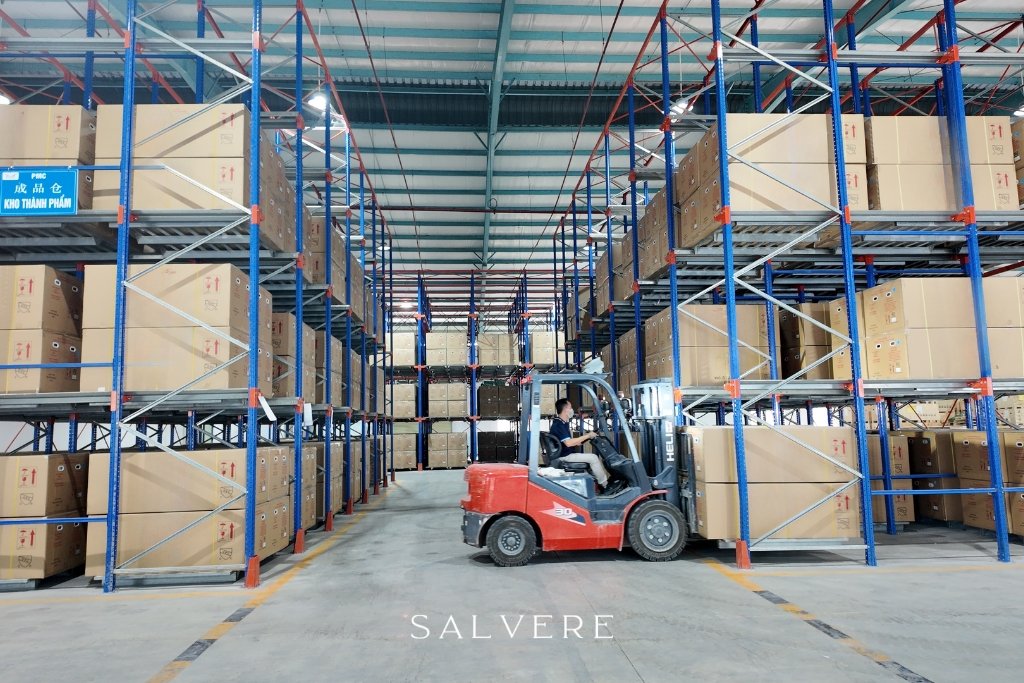
Vietnam is experiencing a rapid growth of purpose-built OEM/ODM facilities, equipped with modern automation and high-precision systems. This investment in advanced manufacturing infrastructure ensures stable quality, consistent output, and large-scale production capacity for bathroom brands. These dedicated facilities are designed to meet stringent international compliance standards, fostering a reliable and efficient production environment crucial for global market demands.
Beyond labor and location, the physical manufacturing capabilities of a country are paramount. Vietnam has made significant strides in developing modern, specialized OEM/ODM facilities, which is a major draw for bathroom brands.
Government Incentives and Foreign Direct Investment (FDI)
The Vietnamese government has actively promoted and incentivized foreign direct investment (FDI) into its manufacturing sector. This has led to an influx of capital and expertise, fostering the development of state-of-the-art factories. These incentives often include tax breaks, simplified administrative procedures, and support for infrastructure development, making it attractive for companies to build or expand manufacturing operations there.
Modern Industrial Parks
Across Vietnam, purpose-built industrial parks are emerging, offering ready-to-use infrastructure like reliable power, water, and waste management systems. These parks are designed to support efficient manufacturing operations, providing a stable and conducive environment for factories. This organized development helps manufacturers focus on production rather than having to build basic infrastructure from scratch.
Intelligent Automation and High-Precision Systems
New facilities in Vietnam are not just about cheap labor; they are about modern manufacturing. Many new OEM/ODM factories are equipped with intelligent automation and high-precision systems. This technological adoption ensures consistent quality, reduces human error, and allows for large-scale production capacity. For specialized products like acrylic bathtubs, precision in thermoforming, trimming, and assembly is critical, and modern Vietnamese factories are increasingly capable of delivering this. My own experience at Salvere is a testament to this. Our 21,000 square meter factory in Ho Chi Minh City was purpose-built for one single category: acrylic bathtubs. We integrate 14 standardized production processes, from thermoforming and trimming to assembly and inspection. Our facility uses intelligent automation and high-precision systems to ensure stable quality, consistent output, and large-scale capacity. This means we are not just making bathtubs; we are manufacturing them with the reliability and precision that global brands demand, leveraging Vietnam's growing infrastructure capabilities.
This robust growth in modern manufacturing infrastructure ensures that Vietnam can deliver on both quantity and quality for demanding international markets.
Supply Chain Diversification from China?
Are you too reliant on one manufacturing base, leaving you vulnerable to global shocks? The risks of single-country dependence are clear. Diversifying from China is now essential for long-term stability.
Vietnam offers a crucial solution for supply chain diversification from China, enabling brands to reduce over-reliance on a single manufacturing hub. By establishing a "China+1" strategy, brands can mitigate significant risks from geopolitical tensions, trade disputes, and unforeseen disruptions. This strategic shift ensures greater resilience, continuity of supply, and long-term viability for global bathroom brands in an unpredictable world.
The global events of recent years have unequivocally highlighted the vulnerabilities of relying too heavily on a single manufacturing base, particularly China. For bathroom brands, this has been a painful lesson, leading to a strong push for diversification.
Mitigating Geopolitical and Trade Risks
Geopolitical tensions and trade disputes have frequently led to unpredictable tariffs and restrictions, directly impacting the cost and availability of products manufactured in China. By diversifying their supply chain to include Vietnam, brands can reduce their exposure to these specific risks. It is a strategic move to insulate themselves from political decisions that can suddenly alter the economic landscape. This means that if one region faces trade challenges, the brand has an alternative source to continue production and supply.
Reducing Exposure to Disruptions
Beyond political factors, natural disasters, public health crises (like pandemics), and internal operational issues in a single country can bring an entire supply chain to a halt. Having manufacturing operations in Vietnam provides a critical backup. If production is disrupted in one region, the other can help maintain supply, ensuring greater continuity and stability for the brand. This redundancy is invaluable for maintaining market share and customer trust.
The "China+1" Strategy in Action
This is exactly what the "China+1" strategy is all about: maintaining a significant manufacturing presence in China for its proven capabilities, while simultaneously establishing a robust second base in a country like Vietnam. This approach allows brands to leverage the strengths of both regions while strategically spreading their risks. My experience at Salvere perfectly illustrates this. We made the bold decision to relocate our entire acrylic bathtub factory from China to Vietnam. We are the first dedicated acrylic bathtub factory to do so. This move was not just about finding a cheaper location; it was about offering our clients a truly diversified supply chain model. We provide them with the quality assurance and manufacturing expertise that traditionally comes from China, but with the added benefits of reduced tariff exposure, lower geopolitical risk, and a more resilient supply chain. Our unwavering goal is to serve our clients by solving their complex challenges and fostering strong, long-term partnerships, ensuring their supply chain is future-proof.
Vietnam has positioned itself as the premier destination for brands looking to implement effective supply chain diversification.
Conclusion
Vietnam is rising as a top bathroom OEM/ODM base, offering competitive labor, strategic location, and significant tariff advantages through FTAs. Its growth in modern facilities and role in diversifying supply chains from China make it an indispensable partner for global brands seeking resilience and quality.
👉 Learn more about Salvere Acrylic Bathtub Products
and how we manufacture acrylic bathtubs in Vietnam.

