
In my work as an acrylic bathtub manufacturer, I see new trends emerge constantly. What starts as a niche design often becomes a mainstream desire. For anyone planning a bathroom renovation, understanding these trends is key to creating a space that is not only beautiful but also functional and relevant for years to come.
Modern bathtub design trends for bathroom renovations are heavily influenced by a desire for spa-like luxury, minimalist aesthetics, and functional innovation. Key trends include the continued dominance of freestanding tubs, the exploration of new materials beyond traditional options, the embrace of matte finishes and subtle color palettes, and the integration of smart technology for enhanced comfort and efficiency. These trends collectively aim to transform the bathroom into a personalized sanctuary.
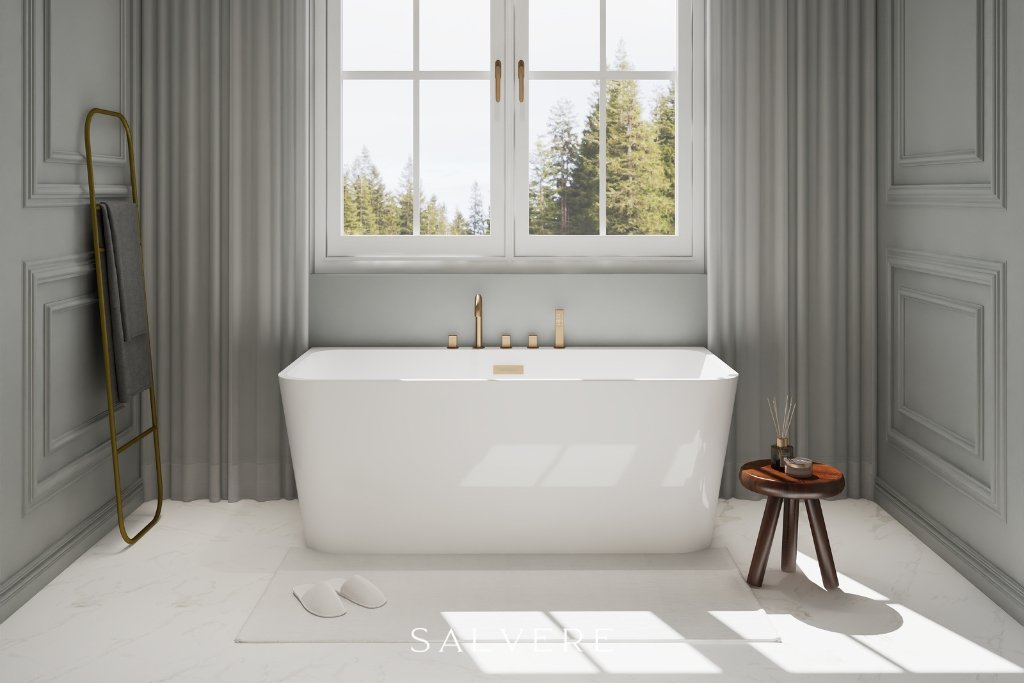
Let's explore the leading trends I'm observing and how they are shaping modern bathroom spaces.
Why Bathtub Design Matters in Today’s Renovations
It's more than just a place to wash.
Bathtub design matters in today's renovations because homeowners increasingly view the bathroom as a personal sanctuary and a key element of their home's overall aesthetic and value. A well-chosen tub elevates the space from purely functional to a luxurious escape, reflecting personal style and enhancing daily well-being, directly impacting comfort, mood, and perceived home value post-renovation.
I've learned from countless projects that a bathtub is often the centerpiece of a bathroom. Here's why its design is so critical:
- Aesthetics and Ambiance: The tub's shape, material, and finish dictate much of the bathroom's overall look and feel. A sleek, modern freestanding tub immediately creates a different vibe than a traditional alcove tub.
- Home as a Retreat: People want their homes to be sanctuaries, and bathrooms are no exception. A thoughtfully designed bathtub transforms a simple washroom into a personal spa, a place to de-stress and unwind.
- Functionality and Comfort: Beyond looks, design affects how you use the tub. Ergonomic shapes, proper depth for soaking, and convenient features are all design considerations that enhance comfort and utility.
- Resale Value: A well-designed, modern bathroom with an attractive tub can significantly increase a home's appeal and market value. It signals to potential buyers that the home is updated and well-maintained.
- Personal Expression: Your home should reflect you. Bathtub design offers a significant opportunity to express personal style, whether it’s through a minimalist form, a bold color, or a classic clawfoot.
The tub is no longer just a fixture; it's a statement.
Freestanding Tubs Continue to Dominate 2025 Trends
Their appeal is undeniable.
Freestanding tubs continue to dominate 2025 trends due to their unparalleled aesthetic versatility, ability to create a luxurious focal point in any bathroom, and diverse range of materials and designs catering to various personal styles. Their standalone nature elevates the perception of space and offers a spa-like ambiance, making them a top choice for modern homeowners seeking both elegance and relaxation.
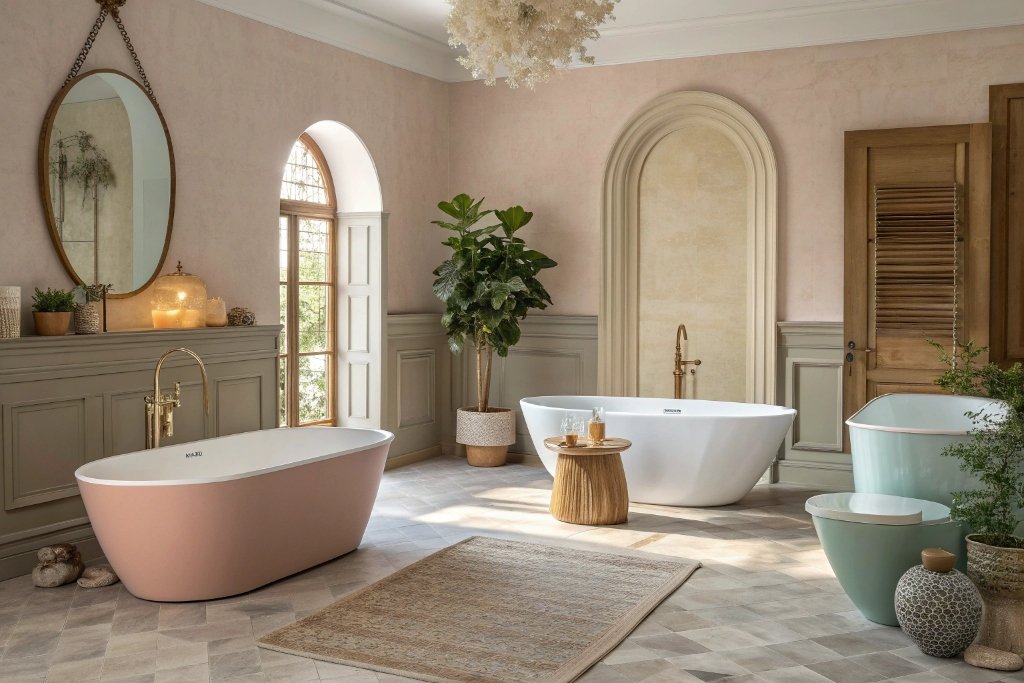
I've watched the rise of the freestanding tub, and it's clear they're here to stay. Here's why:
- Sculptural Appeal: Freestanding tubs are like works of art. They are designed to be seen from all angles, becoming the focal point of the bathroom. This visual impact sets them apart from built-in alternatives.
- Perception of Space: Even in larger bathrooms, a freestanding tub surrounded by open floor space makes the room feel more expansive and luxurious.
- Variety in Design: From classic clawfoot styles to ultra-modern slipper designs and minimalist oval shapes, there's a freestanding tub to suit every aesthetic. Acrylic's moldability makes it particularly good for this.
- Spa-Like Experience: The inherent luxury of a freestanding tub encourages a more deliberate, spa-like bathing ritual, appealing to the growing desire for home wellness solutions.
- Material Innovation: Advances in materials like high-quality acrylic and solid surface allow for lighter, more durable, and thermally efficient freestanding designs that were once only possible with much heavier materials.
Their ability to transform a functional space into a statement of luxury ensures their continued popularity.
Acrylic, Solid Surface, or Cast Iron: What’s the Best Material in 2025?
Each material offers unique advantages.
In 2025, the "best" bathtub material hinges on specific project priorities: acrylic tubs excel in affordability, design flexibility, and warmth, making them ideal for diverse contemporary styles. Solid surface offers a premium, seamless aesthetic with superior heat retention and repairability, appealing to the luxury market. Cast iron, while classic and durable, remains a niche choice for traditional designs due to its weight and cost.
The material choice is crucial, as it affects the look, feel, and longevity of your tub. Here's my take for 2025:
| Material | Pros in 2025 | Cons in 2025 |
|---|---|---|
| Acrylic | Lightweight, cost-effective, excellent design versatility (shapes/colors), warm touch, good heat retention. Our preferred material due to its balance. | Can feel less substantial than solid surface; lower quality acrylic can scratch more easily. |
| Solid Surface | Luxurious, seamless appearance; excellent heat retention; highly repairable; durable, consistent color. | Very heavy (may need floor reinforcement), more expensive, limited in intricate shapes compared to acrylic. |
| Cast Iron | Exceptional durability (lasts generations), classic aesthetic; excellent heat retention once warm. | Extremely heavy (always needs floor reinforcement), high cost, cold to touch initially, limited modern designs. |
| Porcelain | Glazed steel or cast iron; durable finish, traditional look. | Prone to chipping (especially steel base), can be cold. |
For the modern renovation:
- Acrylic continues to be a leader due to its balance of cost, versatility, and performance, especially in the sleek, minimalist designs that are popular.
- Solid Surface is a top choice for high-end, luxury bathrooms where a seamless, substantial feel is paramount.
- Cast Iron remains a classic but is less dominant in truly modern, minimalist trends unless a specific vintage or industrial look is desired.
The choice reflects your budget, the desired aesthetic, and the tub's intended place in your bathroom.
Matte Finishes and Thin Edges: The Rise of Minimalist Tubs
Sleek is in.
Matte finishes and thin edges are trending for minimalist tubs because they create a sophisticated, understated aesthetic that resonates with modern design principles. The matte surface reduces glare and enhances depth, while thin edges contribute to a sleek, refined profile, enabling the tub to integrate seamlessly into contemporary bathrooms, making the space feel expansive and uncluttered.
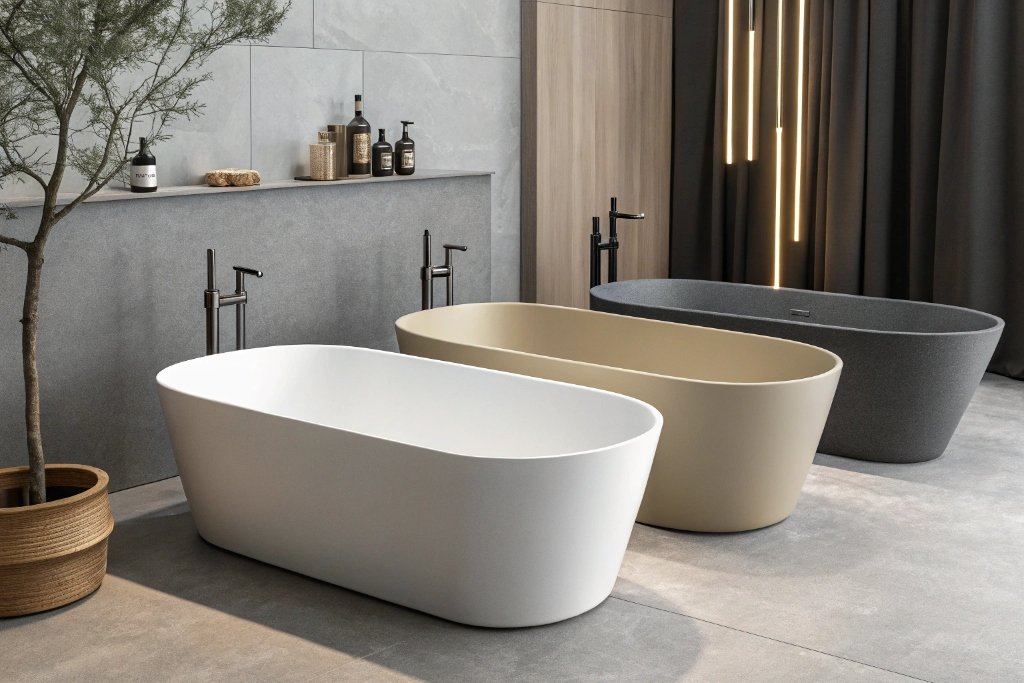
I've seen a definite shift towards less "fuss" and more "form." Here's why:
- Understated Elegance: Matte finishes (especially in white, grey, or soft off-whites) offer a subtle sophistication that glossy finishes cannot. They absorb light rather than reflecting it, creating a calm, high-end feel.
- Modern Aesthetic: Thin edges, particularly on freestanding and drop-in tubs, contribute to a streamlined, almost weightless appearance. This perfectly aligns with minimalist interior design, where clean lines and uncluttered spaces are paramount.
- Visual Harmony: These designs allow the bathtub to blend more seamlessly into the overall bathroom architecture, making it feel integral to the space rather than just an object placed within it.
- Tactile Experience: Matte finishes often have a slightly textured, soft-touch feel, adding another layer of sensory luxury to the bathing experience.
- Easy Maintenance (Perception): While not inherently "easier" to clean, the lack of high shine means fingerprints and minor water spots are often less noticeable than on a glossy surface.
This trend is about creating a sense of calm and refinement, where the tub is a quiet statement of luxury. For acrylic bathtubs, we are seeing a growing demand not just for functionality, but for exceptional design, with a particular focus on fluid lines and thin-edge designs that enhance the sense of luxury. Customers are now seeking this elevated aesthetic, once reserved for other materials, in acrylic as well.
Color Trends for Modern Bathtubs: Beyond White and Beige
Color is making a comeback, subtly.
Modern bathtub color trends are moving beyond traditional white and beige, embracing subtle, nature-inspired palettes and occasional bold statements to create a personalized, sophisticated bathroom ambiance. While classic neutrals remain foundational, soft greys, earthy tones, muted blues, and even matte black are emerging as popular choices, allowing homeowners to express individuality through a central fixture.
While white tubs remain timeless, I'm noticing an expanding palette:
-
Matte White and Off-White: These are still dominant but often chosen in a soft, non-glossy finish for a more organic, modern look. It's clean without being stark.
-
Soft Greys: Light to medium grey tubs are increasingly popular. They offer a sophisticated neutral alternative to white, pairing well with concrete, wood, and marble elements.
-
Earth Tones and Naturals: Muted browns, sandy beiges, and even soft terracottas are appearing, especially in solid surface materials. These colors bring warmth and a connection to nature, complementing biophilic design trends.
-
Muted Blues and Greens: Very subtle, desaturated blues and greens can create a calming, spa-like atmosphere. They are not bright or overtly colorful but add a sophisticated hint of color.
-
Matte Black (Accent): While not for everyone, matte black tubs are gaining traction as a bold, contemporary statement piece, particularly in minimalist or industrial-style bathrooms. They create a dramatic contrast.
-
Custom Colors: Some manufacturers, including those in the acrylic space, offer custom color matching for high-end projects, allowing for truly unique, bespoke bathroom designs.
The key is often "muted" or "natural" – colors that evoke serenity rather than vibrancy.
Deep Soaking Tubs for a Spa-Like Experience at Home
Bringing the spa into your home.
Deep soaking tubs are a prominent trend, offering a luxurious, spa-like experience at home by allowing for full body immersion. Their increased depth (18 inches or more) and often ergonomic designs provide enhanced comfort and therapeutic benefits. This trend caters to a growing desire for personal wellness retreats within the home, making bathing a deliberate act of relaxation and self-care.
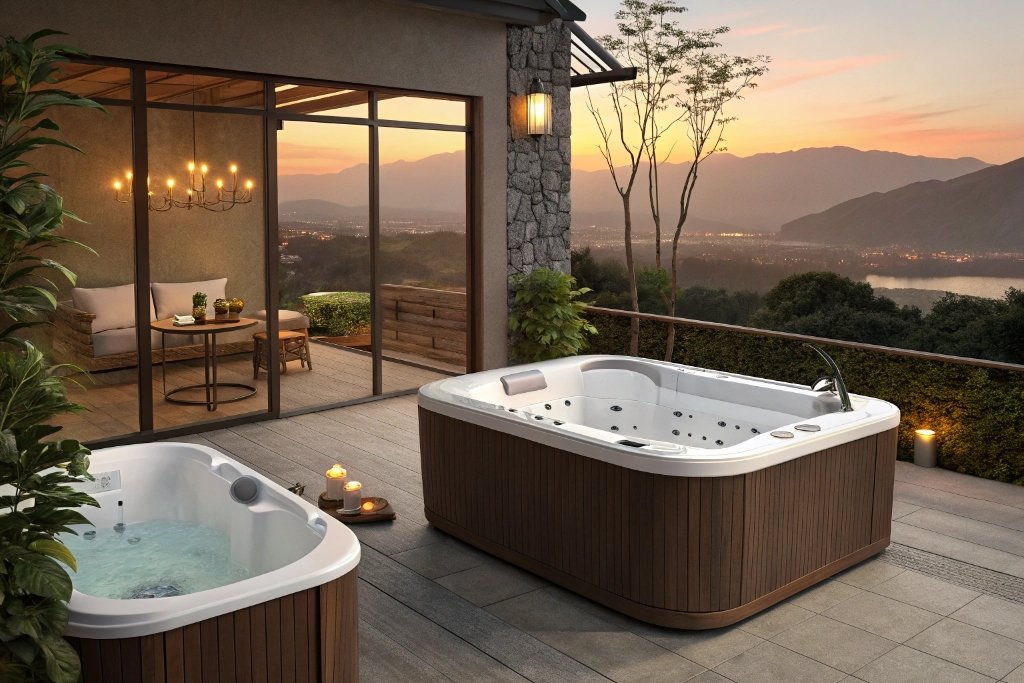
This trend reflects a broader cultural shift towards wellness and self-care.
- Full Immersion Comfort: The primary appeal is the ability to fully submerge one's body in warm water, rather than just the lower half. This provides a more comforting and therapeutic experience.
- Ergonomics: Many deep soakers are designed with comfortable backrests and armrests, sometimes even built-in headrests, to maximize relaxation.
- Space Efficiency: While deep, some designs (like Japanese soaking tubs or smaller, upright models) can actually have a smaller footprint than a traditional long tub, making them suitable for more compact bathrooms that still desire a soaking experience.
- Insight: We've produced models for clients in urban apartments where space is at a premium. A custom acrylic Japanese soaking tub provides luxury without sacrificing vital floor area.
- Health Benefits: A good soak can relieve muscle tension, improve circulation, and aid in stress reduction. Homeowners are increasingly seeking ways to incorporate these benefits into their daily lives.
- Luxury Appeal: A deep soaking tub instantly elevates the perception of a bathroom from utility to luxury, making it a desirable feature for both personal enjoyment and potential resale.
The deeper the tub, the deeper the relaxation.
Smart Bathtubs: Are They Worth It for Modern Homes?
Innovation is everywhere, even in the bath.
Smart bathtubs, featuring automated filling, temperature control, chromotherapy lighting, and even integrated speakers, represent a cutting-edge trend for modern homes. While they offer unparalleled convenience and a personalized, high-tech bathing experience, their worth depends on a homeowner's budget and their desire for advanced automation. They are a high-value addition for tech enthusiasts and luxury settings.
I'm seeing more and more requests for integrated technology. Here's what smart tubs offer:
- Automated Filling and Temperature Control: Fill your tub to a pre-set level and temperature with a voice command or from your smartphone. No more checking the water or worrying about overflows.
- Therapeutic Features:
- Chromotherapy: Integrated LED lighting that can change colors to influence mood.
- Hydrotherapy Jets: Advanced, quiet jet systems for massage.
- Aromatherapy/Infusion: Systems that can dispense essential oils or bath salts.
- Entertainment Integration: Built-in waterproof speakers for music or podcasts, and even integrated screens (though these are less common).
- Personalized Profiles: Multiple users can save their preferred bath settings, making it easy to get their ideal bath every time.
Are they worth it?
- For Tech Enthusiasts & Luxury Homes: Absolutely. They offer a unique level of convenience and a truly indulgent experience that aligns with a smart home ecosystem.
- For Average Consumers: The high price point is often a barrier. While cool, some features might feel like overkill for a basic bathing need.
- From a Manufacturer's View: Integrating this tech into our acrylic tubs requires careful engineering, but the demand for a "connected" home extends to the bathroom.
As technology advances and costs come down, smart bathtubs will become more mainstream, but for now, they are a premium feature.
Designing for Small Spaces: Compact Bathtub Options That Don’t Compromise on Comfort
Small can still be luxurious.
Designing for small spaces with compact bathtub options involves strategic choices that prioritize depth over length, such as Japanese soaking tubs or smaller freestanding models, ensuring comfort without sacrificing precious floor area. These designs often feature ergonomic shapes and minimalist profiles to maximize functionality within a limited footprint, proving that even a compact bathroom can offer a luxurious bathing experience with the right tub.
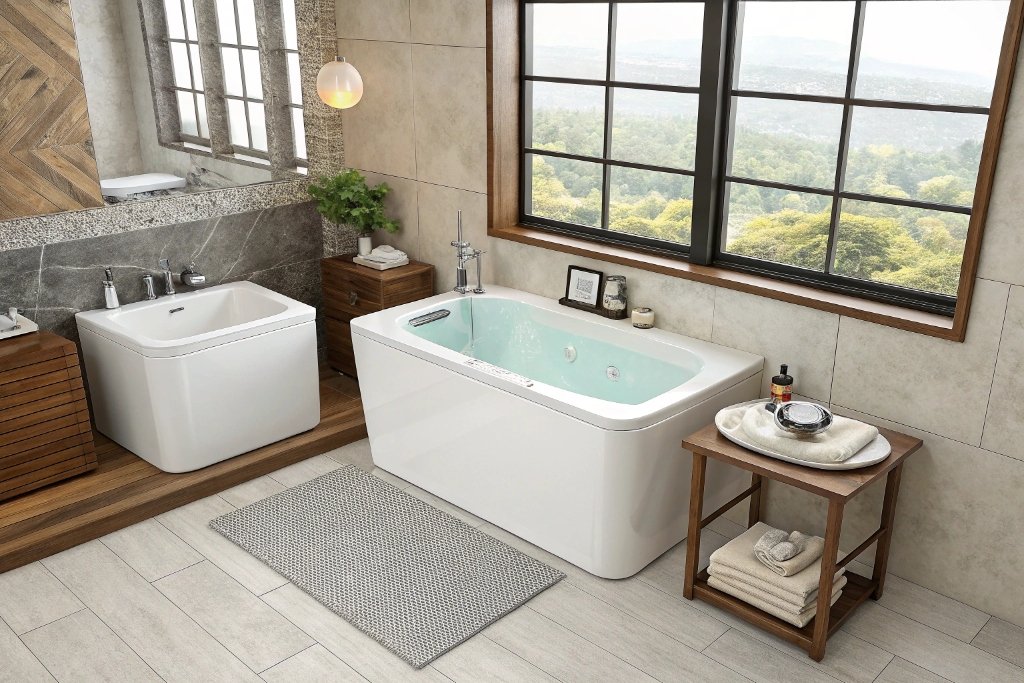
Even in the most compact bathrooms, homeowners still desire a functional and beautiful tub.
- Japanese Soaking Tubs: These are perhaps the best example. They are significantly shorter (often 40-48 inches long) but much deeper (24-30 inches). This allows for a full, seated body soak without needing a large footprint.
- Insight: I once advised a client with a very small bathroom in a city apartment. A custom acrylic Japanese soaking tub provides a luxurious experience that a standard tub couldn't fit.
- Shorter Alcove Tubs: Standard alcove tubs are 60 inches, but 48-inch and 54-inch versions are readily available. These fit into standard recesses and are great for shower/tub combos in tight spaces.
- Small Freestanding Tubs: Some freestanding models come in lengths as short as 55 inches. While they still need clearance around them, their visual appeal can make a small room feel less cramped than a bulky built-in.
- Corner Tubs: These utilize an otherwise awkward corner, often coming in 48x48-inch or 54x54-inch configurations, which can be surprisingly efficient for space.
- Built-in with Minimal Deck: For drop-in tubs, opting for a design where the deck is as narrow as possible can save precious inches without compromising the tub's interior.
The key is to think vertically (depth) rather than horizontally (length) and to choose shapes that fit the room's architecture.
How the Right Bathtub Can Boost Your Home’s Value
It's an investment, not just an expense.
The right bathtub can significantly boost your home’s value by enhancing its aesthetic appeal, creating a perception of luxury and modernity, and improving overall functionality. A thoughtfully chosen, well-installed tub acts as a major selling point, signaling to potential buyers that the home is updated and well-maintained, directly impacting desirability and market price, especially in master bathrooms or luxury properties.
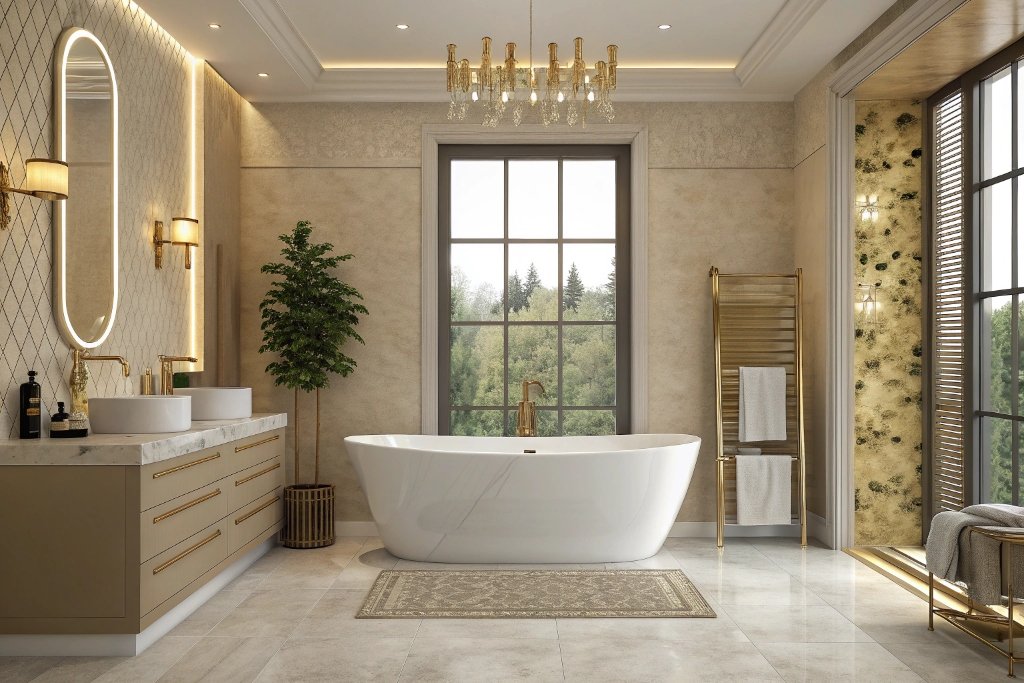
I always tell clients that a well-chosen tub is an investment in their home's future.
- Curb Appeal (Interior): Just like an attractive kitchen, a stylish bathroom immediately grabs a potential buyer's attention. A beautiful bathtub is often the centerpiece of that appeal.
- Luxury Perception: Freestanding tubs, deep soakers, and high-quality materials (like our robust acrylic) convey luxury and attention to detail. This makes a home feel more upscale and desirable.
- Insight: A developer I work with consistently reports that bathrooms with modern, well-designed tubs are among the top features that help sell his properties faster and for higher prices.
- Modernization: An updated bathtub signals that the bathroom has been renovated, which can be a huge plus for buyers who don't want to undertake immediate projects.
- Differentiation: In a competitive market, a unique or exceptionally comfortable bathtub can make your home stand out from others, giving it a memorable edge.
- Functionality: Beyond looks, a tub that genuinely enhances the bathing experience (e.g., a therapeutic soaking tub) adds tangible value that buyers appreciate.
- Master Bathroom Focus: The most significant impact is typically seen in master bathrooms, where high-end fixtures and a spa-like feel are often expected and highly valued.
Investing in a well-chosen bathtub isn't just about personal enjoyment; it's a strategic move to enhance your property's market position.
👉 Learn more about Salvere Bath OEM/ODM capabilities
and how we manufacture acrylic bathtubs in Vietnam.

