
Every year, KBIS gives a clear glimpse into where the bathroom industry is heading. For brands, importers, and developers, it’s not just a design showcase — it’s a signal of what customers will demand in the coming years.
At KBIS 2026, several patterns became impossible to ignore. From thinner bathtub edges to the rise of wellness-focused bathing experiences, the industry is clearly moving toward designs that balance aesthetics, practicality, and manufacturing efficiency.
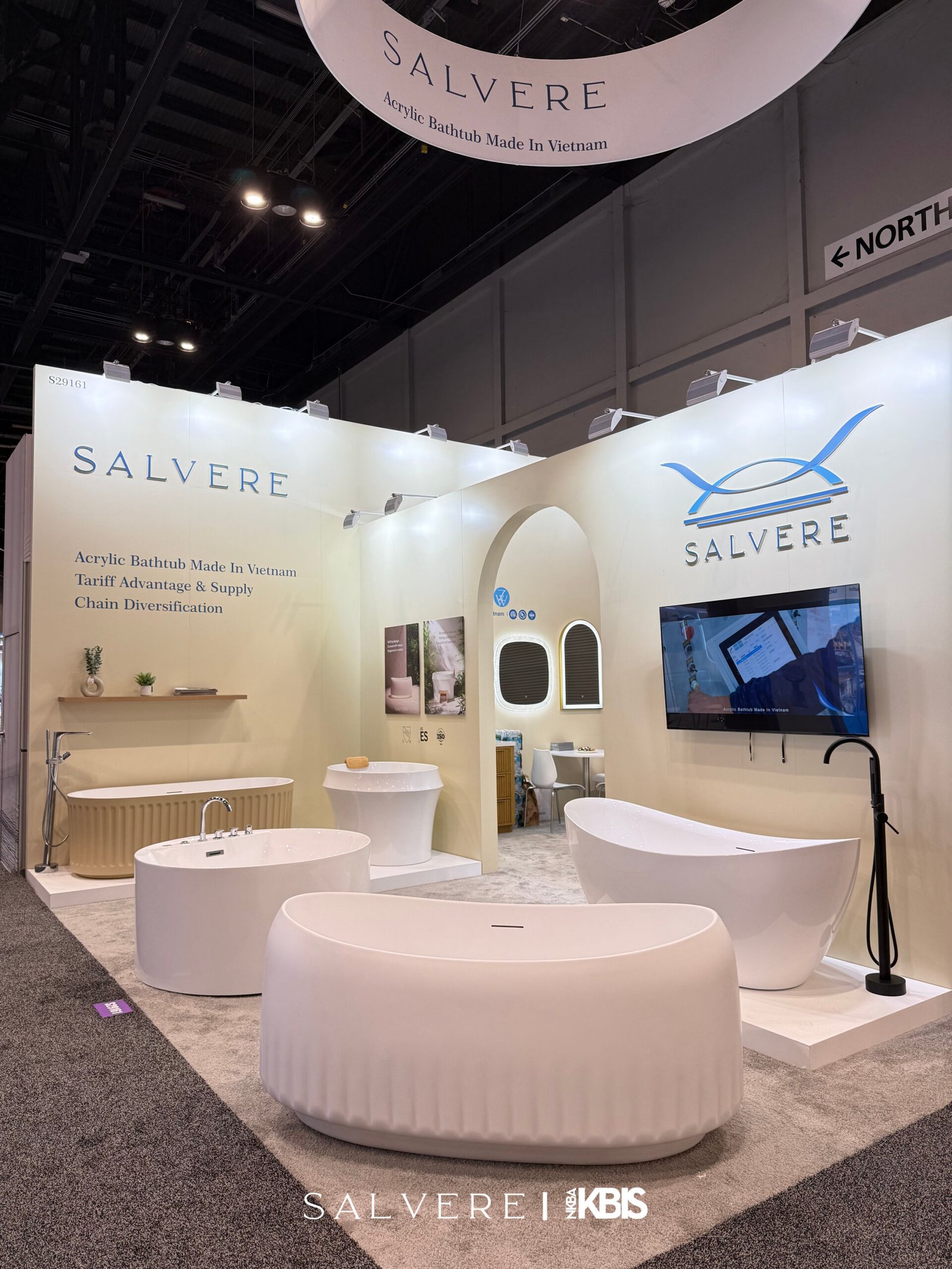
Quick Review
The biggest bathtub trends emerging from KBIS 2026 include:
- Thin-edge freestanding bathtubs becoming a design standard
- Matte acrylic finishes gaining popularity in modern bathrooms
- Cold plunge tubs entering the residential market
- Customization becoming essential for bathroom brands
- Supply chain diversification reshaping manufacturing strategies
These trends reflect a broader shift toward premium-looking products that remain scalable and practical for large-volume production.
Thin-Edge Bathtubs Are Becoming the New Design Standard
One of the most noticeable trends at KBIS 2026 was the continued dominance of thin-edge freestanding bathtubs.
Compared with traditional thick-rim designs, thin-edge tubs create:
- A lighter and more architectural visual profile
- A more contemporary bathroom aesthetic
- A closer resemblance to stone or solid surface products
For many brands, this design direction allows them to deliver a high-end visual impression while still maintaining the practical advantages of acrylic manufacturing.
As production techniques improve, thin-edge structures are becoming easier to produce while maintaining structural strength.
Matte Acrylic Finishes Continue to Rise
Another trend gaining momentum is the growing demand for matte bathtub finishes.
While glossy surfaces remain popular, matte acrylic offers several advantages:
- A more premium, stone-like appearance
- Reduced visible scratches and fingerprints
- A softer, modern aesthetic favored by designers
Many modern bathrooms now prioritize texture and visual calmness, and matte finishes help achieve that effect.
For manufacturers, advancements in acrylic surface treatment are making matte finishes more durable and easier to maintain than before.
Cold Plunge Tubs Are Moving into Residential Spaces
Wellness trends are reshaping bathroom design, and cold plunge tubs were a recurring highlight across several booths at KBIS 2026.
Originally popular in luxury spas and athletic recovery environments, cold plunge bathing is now entering the residential market.
This shift reflects growing consumer interest in:
- Recovery and health-focused lifestyles
- Spa-inspired home environments
- Contrast bathing (hot and cold therapy)
As wellness continues to influence home design, many bathroom brands are exploring ways to integrate cold plunge tubs into their product portfolios.
Customization Is Becoming Essential for Bathroom Brands
Another clear message from KBIS is that standard product catalogs are no longer enough.
More brands are asking manufacturers for:
- Custom bathtub dimensions
- Unique design profiles
- Brand-specific mold development
- Exclusive product lines
Customization allows brands to differentiate themselves in a crowded market.
For OEM manufacturers, this means offering not just production capacity, but also design collaboration and flexible development capabilities.
Factories that can support mold development, rapid prototyping, and scalable production will be increasingly valuable partners.
Supply Chain Diversification Is Becoming a Strategic Priority
Beyond product design, another important discussion at KBIS 2026 centered around manufacturing strategy.
Over the past few years, many brands have started to rethink their sourcing models.
Lowering tariff risks and improving supply chain resilience are becoming important factors when selecting suppliers.
As a result, Vietnam has emerged as one of the most attractive manufacturing locations for bathroom products, offering:
- Competitive labor costs
- Stable production capacity
- Strategic geographic positioning
- Growing expertise in sanitaryware manufacturing
For many international buyers, diversifying production beyond a single country is no longer just an option — it’s a long-term strategy.
Conclusion
KBIS 2026 highlighted an industry moving toward products that combine design sophistication with practical manufacturability.
Thin-edge tubs, matte finishes, wellness-focused bathing, and customization are shaping the next generation of bathroom products.
At the same time, supply chain strategies are evolving as brands look for more resilient manufacturing partners.
For companies planning their next product launch or sourcing strategy, the trends emerging from KBIS offer valuable insight into where the bathtub market is heading next.
FAQ
What were the main bathtub trends at KBIS 2026?
The main bathtub trends at KBIS 2026 included thin-edge freestanding bathtubs, matte acrylic finishes, the growing popularity of cold plunge tubs, increased demand for customization, and stronger supply chain diversification strategies. These trends reflect the industry's shift toward premium-looking products that remain scalable and practical for mass production.
Why are thin-edge bathtubs becoming popular in modern bathroom design?
Thin-edge bathtubs are becoming popular because they create a lighter, more architectural appearance compared to traditional thick-rim designs. They also resemble stone or solid surface tubs while maintaining the practical benefits of acrylic manufacturing, making them attractive for brands seeking modern aesthetics with efficient production.
Are matte acrylic bathtubs replacing glossy finishes?
Matte acrylic bathtubs are gaining popularity but are not completely replacing glossy finishes. Many designers prefer matte surfaces because they offer a softer visual effect, reduce visible fingerprints and scratches, and create a more premium, spa-like bathroom atmosphere.
Why are cold plunge tubs appearing more often in residential bathrooms?
Cold plunge tubs are becoming more common in residential bathrooms because wellness-focused lifestyles are influencing home design. Inspired by spa and athletic recovery environments, homeowners are increasingly interested in cold therapy for health benefits, which is driving brands to introduce residential cold plunge products.
Why is customization becoming more important for bathtub brands?
Customization allows bathroom brands to differentiate themselves in a competitive market. Instead of relying only on standard product catalogs, brands are requesting custom sizes, unique designs, and exclusive molds. This helps create distinctive product lines and respond more quickly to market trends.
Why are buyers diversifying bathtub manufacturing outside China?
Many buyers are diversifying bathtub manufacturing to reduce tariff risks and improve supply chain resilience. Countries like Vietnam are becoming popular alternatives because they offer competitive labor costs, stable production environments, and growing expertise in sanitaryware manufacturing.

