
I've had the privilege of working on countless luxury hotel projects worldwide. These projects demand a unique blend of aesthetics, durability, and operational efficiency that standard residential bathtubs simply cannot meet. Choosing the right material isn't just a design decision; it's a critical business choice impacting guest satisfaction, maintenance costs, and the hotel's long-term reputation.
Selecting the optimal bathtub material for luxury hotel projects requires a multi-faceted assessment of durability, guest comfort, installation logistics, and long-term operational costs. Key materials like acrylic, solid surface, cast iron, and steel each present distinct advantages and disadvantages under high-usage conditions. While cast iron offers robustness, its weight and cost can be prohibitive; solid surface provides seamless aesthetics but is susceptible to scratching. Acrylic emerges as a superior choice, balancing excellent durability, reparability, superior heat retention for guest comfort, and ease of installation due with its lighter weight. Its versatile customizability for OEM/ODM projects also allows seamless integration into diverse luxury designs, making it a pragmatic yet elegant solution for demanding hospitality environments.
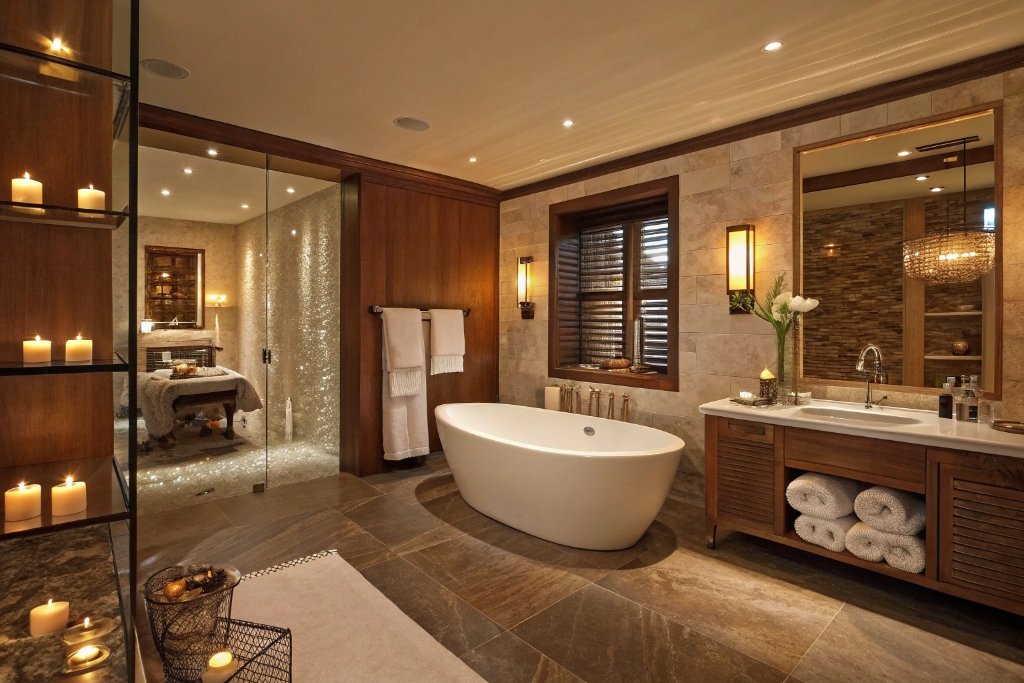
Let's explore the critical factors involved in selecting the ideal bathtub material for luxury hotel projects.
Understanding Project Requirements for Hotel-Grade Bathtubs?
It's more than just a pretty tub.
Understanding the specific project requirements for hotel-grade bathtubs is paramount, moving beyond mere aesthetics to encompass operational demands, stringent durability standards, and enhanced guest experience. Unlike residential settings, hotel bathtubs endure constant, high-frequency usage by diverse guests, necessitating materials and construction capable of resisting extensive wear, frequent cleaning with industrial-strength chemicals, and potential abuse. Key considerations include the bathtub's lifespan (often 10-15 years), ease of maintenance for housekeeping staff, impact on sound transmission between rooms, and compliance with strict local fire and safety codes. A truly 'hotel-grade' bathtub must deliver consistent comfort and luxury appeal over its entire lifecycle, while minimizing operational costs for the hotel. This often means prioritizing resilience, reparability, thermal properties, and a streamlined installation process. As an OEM/ODM, we tailor our production to these exact demands, ensuring our tubs exceed hospitality expectations.
Luxury hotel projects have unique demands that go far beyond what's expected for a residential bathroom. Here’s what we consider:
- High-Frequency Usage:
- Residential: A tub might be used once a day, or even less.
- Hotel: A tub can be used multiple times a day, by different people with different habits, over many years. This means extreme wear and tear.
- Durability and Longevity:
- Hotels expect their bathtubs to last 10-15 years, if not longer, while maintaining a pristine appearance. This requires materials that resist chipping, cracking, and fading.
- Ease of Maintenance and Cleaning:
- Housekeeping staff needs to clean tubs quickly and efficiently. The material must be non-porous, resistant to harsh cleaning chemicals, and easy to wipe down. Stains and mildew are absolute no-gos.
- Guest Experience:
- Comfort: Tubs must be comfortable for a wide range of body types.
- Heat Retention: Guests expect a long, warm soak.
- Aesthetics: The tub must contribute to the overall luxury ambiance of the room.
- Sound Transmission:
- Noise from filling or jet systems can be a major issue in adjacent rooms. Material choice can impact sound insulation.
- Safety and Accessibility:
- Anti-slip surfaces, appropriate depth for safe entry/exit, and ADA compliance (where required) are critical considerations.
- Installation and Logistics:
- Large-scale projects require efficient installation, minimal site disruption, and often consideration for transportation to upper floors.
Meeting these high standards requires a material that is robust, beautiful, and intelligently produced.
Comparing Key Bathtub Materials: Acrylic, Solid Surface, Cast Iron, and Steel?
Four contenders for the hospitality crown.
Comparing key bathtub materials—acrylic, solid surface, cast iron, and steel—for luxury hotel projects reveals distinct advantages and disadvantages for each under demanding hospitality conditions. Cast iron offers unparalleled durability and heat retention but is extremely heavy, expensive, and risks enamel chipping. Steel enamel is lighter than cast iron but also prone to chipping and louder. Solid surface materials provide a premium, seamless aesthetic and reparability but are costly, heavy, and can scratch. Acrylic emerges as a robust solution, coupling excellent durability, reparability, superior heat retention, and a lighter weight for easier installation. Its versatility also supports extensive design customization via OEM/ODM. Each material impacts specific project requirements differently, necessitating a thorough evaluation of long-term costs, guest satisfaction, and operational efficiency to select the ideal fit for a luxury hotel's brand standards.
Let's break down the most common bathtub materials and how they stack up for the rigorous demands of luxury hotels.
-
Acrylic (PMMA - Polymethyl Methacrylate):
- Pros:
- Lightweight: Easiest to transport, handle, and install, reducing labor costs.
- Excellent Heat Retention: Keeps water warm for long periods, enhancing guest comfort.
- Durable & Repairable: Highly resistant to impact. Scratches and surface damage are often easily buffed out or repaired, extending lifespan.
- Versatile Design: Thermoforms into complex shapes, allowing for tailored ergonomics and aesthetic features.
- Warm to Touch: Guests appreciate the non-cold surface.
- Cost-Effective: Offers an optimal balance of quality and value.
- Cons: Can be perceived as less "premium" than solid surface if not a high-grade acrylic, though this perception is changing rapidly.
- Pros:
-
Solid Surface (e.g., Corian, Swanstone):
- Pros: Seamless appearance, luxurious feel, non-porous, highly repairable (scratches can be sanded out), excellent design flexibility.
- Cons: Very heavy, expensive, vulnerable to high heat causing discoloration, can scratch easily.
-
Cast Iron:
- Pros: Extremely durable, excellent heat retention, classic aesthetic, incredibly robust.
- Cons: Extremely heavy (requires floor reinforcement), very expensive, enamel can chip (difficult to repair), limited design options, cold to touch initially.
-
Steel Enamel (Porcelain-enameled steel):
- Pros: More durable than fiberglass, retains heat well, generally less expensive than cast iron.
- Cons: Can chip (and rust if chipped), noisy when filling, cold to touch, limited design flexibility.
-
Fiberglass (FRP - Fiberglass Reinforced Plastic):
- Pros: Very lightweight, inexpensive.
- Cons: Least durable, prone to cracking, scratching, and fading; poor heat retention. Absolutely not suitable for luxury hotel projects.
For luxury hotels, the choice boils down to a blend of performance, aesthetics, maintenance, and budget.
Durability and Long-Term Performance in High-Usage Environments?
Built to last, designed to impress.
For luxury hotel projects, the paramount considerations for bathtub material are exceptional durability and consistent long-term performance under high-usage conditions. Hotel bathtubs face relentless daily use, frequent cleaning with strong agents, and varying guest habits, demanding a material that resists scratching, chipping, cracking, and staining over many years. While cast iron offers inherent robustness, its weight and susceptibility to enamel chipping pose significant maintenance and logistical challenges. High-grade acrylic, conversely, delivers excellent impact resistance, and its non-porous surface provides superior stain resistance and ease of cleaning, crucial for maintaining hygiene and pristine aesthetics. Furthermore, acrylic's reparability means minor damages can be restored without full replacement, significantly extending the lifespan and reducing operational costs, ensuring the tub retains its luxury appearance and functionality throughout its extensive lifecycle.
A hotel bathtub isn't a museum piece; it's a workhorse. Its durability and long-term performance are crucial to a hotel's bottom line.
- Resistance to Wear and Tear:
- Daily Use: Guests might drop toiletries, stand with shoes, or use abrasive items. The material must withstand this.
- Cleaning Chemicals: Housekeeping uses industrial-strength cleaners, often multiple times a day. The material must not degrade, dull, or discolor under repeated exposure.
- Impact Resistance: Accidents happen. A dropped glass or heavy item shouldn't cause irreparable damage.
- Surface Integrity:
- Scratch Resistance: Fine scratches quickly accumulate and dull the finish, making a tub look aged and unclean.
- Stain Resistance: Oils, dyes, hair products, and even spilled coffee in a hotel room demand a surface that won't absorb stains.
- Color Stability: The material must retain its original color (typically brilliant white) without yellowing or fading over time, especially from UV exposure from windows or artificial lighting.
- Reparability for Extended Lifespan:
- Minor Repairs: Even the most durable materials can sustain minor damage. The ability to buff out scratches or fill small chips without replacing the entire tub is a massive operational advantage, saving time and money.
- Cost of Downtime: A room with a damaged tub is a room that isn't generating revenue. Quick, efficient repairs are essential.
Durability isn't just about lasting; it's about lasting beautifully and functionally in a demanding environment.
Guest Comfort and Luxury Experience: Material Impact on Design & Feel?
The touch, the soak, the relaxation.
Guest comfort and the overall luxury experience are profoundly influenced by the chosen bathtub material, impacting everything from initial touch to the prolonged soaking sensation. High-grade acrylic bathtubs excel in this regard due to their inherent warmth to the touch, which instantly feels more inviting than the initially cold surface of cast iron or steel. Its superior heat retention capabilities allow guests to enjoy extended, warmer soaks, directly enhancing relaxation and perceived value. Moreover, acrylic's thermoformability enables designers to create custom ergonomic shapes—such as precisely angled lumbar supports and integrated headrests—that cradle the body, maximizing comfort. The smooth, non-porous surface also feels pleasant against the skin and contributes to a sense of pristine cleanliness. Combined, these material characteristics elevate the bathing ritual from a simple wash to a true luxury experience that guests remember.
In a luxury hotel, every detail contributes to the guest experience. The bathtub is a focal point of relaxation, and its material directly impacts comfort and perceived luxury.
- Tactile Experience – Warmth to Touch:
- Acrylic: Feels warm and welcoming even before the water is added. This immediate impression of comfort is a significant advantage.
- Cast Iron/Steel: Start off cold and take time to warm up with the water, which can be jarring and less inviting.
- Solid Surface: Also takes on the ambient temperature before warming up with water.
- Thermal Retention – Keeping Water Warm:
- Acrylic/Cast Iron: Both excel at retaining heat, allowing guests to enjoy longer, warmer soaks without the water cooling quickly. This contributes significantly to a luxurious, extended bathing ritual.
- Steel/Fiberglass: Tend to lose heat faster, leading to a less satisfying soak.
- Ergonomics and Design Flexibility:
- Acrylic/Solid Surface: Can be molded into highly ergonomic shapes, allowing for features like integrated lumbar support, sculpted armrests, and precise backrest angles that cradle the body. This customizability is key to universal comfort for diverse guests.
- Cast Iron/Steel: Limited to more traditional, less ergonomic shapes due to manufacturing processes.
- Aesthetics and Finish:
- The pristine, smooth surface of a high-gloss or modern matte acrylic tub contributes to a sense of cleanliness and luxury. Consistent color and finish throughout multiple rooms are essential for brand identity.
- Sound: Acrylic and solid surface tend to be quieter when filling than steel, contributing to a more peaceful environment.
For a truly luxurious guest experience, the material must deliver comfort on first touch and sustain it throughout the soak.
Installation Complexity, Weight Considerations, and Site Conditions?
Logistics for large-scale perfection.
Installation complexity, material weight, and specific site conditions are paramount logistical considerations for luxury hotel projects, directly impacting timelines, labor costs, and structural integrity. Heavy materials like cast iron and solid surface necessitate significant planning, often requiring specialized lifting equipment, floor reinforcement, and more labor-intensive maneuvering. This increases installation time and overall project costs. Conversely, lightweight acrylic bathtubs simplify logistics dramatically; they are easier to transport to upper floors, require less heavy machinery or manpower, and often avoid the need for structural floor upgrades. Site conditions, such as narrow hallways or limited service elevator access, further underscore the advantages of lighter, more maneuverable materials. Efficient OEMs like Salvere design bathtubs with these large-scale installation challenges in mind, ensuring a streamlined process that minimizes disruption and adheres to tight construction schedules without compromising quality or design integrity.
When dealing with hundreds, or even thousands, of bathtubs across a large hotel project, installation logistics become a significant factor.
- Weight and Structural Support:
- Heavy Materials (Cast Iron, Solid Surface): Can weigh hundreds of pounds (even empty), requiring specialized equipment (cranes, pallet jacks) and multiple workers for transport and placement. Critically, existing floor structures in older buildings or on upper floors may require significant and costly reinforcement to support the weight of the tub, plus water and a person.
- Lightweight Materials (Acrylic): Significantly lighter, often manageable by two people. This reduces labor, equipment needs, and almost always eliminates the need for floor reinforcement, saving substantial costs and time.
- Transport and Site Access:
- Doorways and Hallways: Large, heavy tubs are difficult to maneuver through typical hotel doorways, corridors, and service elevators. This can lead to delays, damage, or even the need for creative (and expensive) solutions like window craning.
- Acrylic's Advantage: Acrylic tubs are lighter and often come in designs that are easier to maneuver around tight corners, greatly simplifying on-site logistics.
- Installation Time and Labor Costs:
- Heavy Materials: More labor-intensive installation. Precision leveling of heavy objects takes longer.
- Acrylic: Typically quicker and easier to install, leading to reduced labor costs per unit and faster project completion per room.
- Plumbing and Site Preparation:
- Consider the type of tub (freestanding, alcove, drop-in). Freestanding tubs often require floor-mounted plumbing, which needs precise planning during rough-in construction. Drop-in tubs require custom decking. These elements add to complexity.
The choice of material has a direct impact on the ease, speed, and cost of installation, which is paramount for large-scale hotel projects.
Maintenance, Cleaning Efficiency, and Replacement Flexibility?
Operational excellence from day one.
Effective maintenance, cleaning efficiency, and convenient replacement flexibility are non-negotiable operational imperatives for luxury hotel bathtubs, directly impacting guest satisfaction and financial performance. Hotel bathtubs require frequent, thorough cleaning using commercial-grade products; consequently, materials must be non-porous and resistant to staining, chemical degradation, and microbial growth to maintain pristine hygiene and aesthetic appeal. High-grade acrylic excels in this regard due to its smooth, non-porous surface. Moreover, the ease of repairing minor damages in acrylic tubs extends their lifespan and minimizes guest-room downtime. Should a full replacement become necessary (e.g., during a brand refresh), acrylic's lighter weight and standardized dimensions simplify removal and reinstallation processes. This ensures operational continuity and optimizes long-term cost-effectiveness, critical for maximizing revenue streams and upholding a luxury hotel's brand reputation.
Beyond the initial installation, the ongoing operational costs and ease of maintenance are critical for any hotel.
- Cleaning Efficiency for Housekeeping:
- Non-Porous Surface: Crucial for hygiene. Acrylic, solid surface, and steel/cast iron enamel are non-porous, resisting mold, mildew, and stains. Fiberglass is the weakest here.
- Chemical Resistance: The material must withstand daily cleaning with strong disinfectants and descalers without dulling, etching, or discoloring. High-grade acrylic stands up well.
- Smooth Surfaces: Tubs with fewer crevices or textured surfaces are quicker and easier to clean thoroughly.
- Repair and Refurbishment:
- Acrylic & Solid Surface: Excellent reparability. Scratches, chips, and even small cracks can often be fixed on-site by skilled technicians, making the tub look like new. This extends the tub's lifespan significantly.
- Cast Iron & Steel Enamel: Chips are difficult and costly to repair, and if left untreated, can lead to rust.
- Replacement Flexibility:
- Standardized Sizes/Designs: Hotels often opt for standard or slightly customized OEM/ODM sizes that can be easily sourced again if a full replacement is needed during a major renovation or if some units need early replacement.
- Lightweight Advantage: If a tub does need to be fully replaced, a lighter acrylic tub is far easier and less disruptive to remove and reinstall than a heavy cast iron or solid surface one. This translates to faster room turnover.
Operational costs, guest satisfaction, and swift room turnover are all heavily influenced by the ease of maintaining and, if necessary, replacing bathtubs.
Why Acrylic Is Often the Best Balance for Luxury Hotel Projects?
The smart choice for discerning hospitality.
High-grade acrylic consistently emerges as the optimal material, offering the best balance for luxury hotel projects due to its superior combination of durability, guest comfort, operational efficiency, and design versatility. Acrylic provides excellent impact and stain resistance, with the added benefit of easy on-site repair, significantly extending the tub's lifespan within a high-usage environment while minimizing costly room downtime. Its inherent warmth to the touch and exceptional heat retention elevate guest comfort and the perception of luxury. Moreover, acrylic's lightweight nature simplifies installation, reduces labor, and bypasses the need for structural reinforcement, optimizing project timelines and budgets. Finally, its thermoformability allows for a vast array of ergonomic designs and aesthetic customizations crucial for luxury branding. Acrylic delivers a pragmatic yet elegant solution that excels in guest satisfaction, long-term performance, and overall value for discerning hospitality brands. This comprehensive advantage is why Salvere specializes exclusively in high-quality acrylic bathtubs.
After decades in the industry, my experience tells me that high-grade acrylic offers the most compelling and balanced solution for luxury hotel projects.
- Unmatched Balance of Durability and Reparability:
- While cast iron is inherently hard, its enamel can chip, leading to costly and often visible repairs. Acrylic is highly impact-resistant, and crucially, surface scratches and minor damage can often be buffed out or repaired on-site, ensuring a consistently pristine appearance over years of heavy use.
- Superior Guest Comfort:
- Acrylic is warm to the touch, providing an immediate sense of comfort that cold cast iron or steel cannot match. Its excellent heat retention keeps bathwater warmer for longer, allowing guests to fully enjoy a luxurious, extended soak.
- Unbeatable Operational Efficiency:
- Lightweight: Reduces freight costs, simplifies material handling, accelerates installation, and avoids expensive structural modifications, especially in multi-story or older properties. This means faster project completion and less room downtime.
- Easy to Clean: The smooth, non-porous surface resists stains, mold, and mildew, making cleaning quick and effective for housekeeping staff, even with commercial-grade products.
- Design Versatility for Luxury Aesthetics:
- Acrylic's thermoformability allows for complex, ergonomic shapes, thin rims, and integrated features that cater to modern luxury design trends. It can create tubs that are both visually stunning and incredibly comfortable, essential for a high-end guest experience.
- Cost-Effectiveness and Return on Investment:
- Considering the entire lifecycle (purchase, installation, maintenance, repair), high-grade acrylic bathtubs typically offer the best return on investment for hotel owners, delivering luxury performance without the prohibitive costs or operational headaches of other materials.
For luxury hotels that demand aesthetic appeal, uncompromising guest comfort, and long-term operational efficiency, high-grade acrylic stands out as the prudent and premium choice.
👉 Learn more about Salvere Bath OEM/ODM capabilities
and how we manufacture acrylic bathtubs in Vietnam.

