
As the head of Salvere, an OEM/ODM acrylic bathtub manufacturer, I'm constantly immersed in material science and market demands. I see trends not just in finished products, but in the very processes and innovations that bring them to life. The world of bathtubs is evolving rapidly, driven by exciting advancements in acrylic manufacturing.
Predicting bathtub design trends requires a deep dive into material science, consumer preferences, and manufacturing capabilities, with acrylic innovations at the forefront. We're seeing a clear shift towards minimalist forms, matte finishes, and highly ergonomic designs that prioritize user comfort and full immersion. Customization is no longer a niche but a scalable expectation, with OEM/ODM production adapting to bespoke demands while integrating sustainable practices and lightweight construction. These trends merge aesthetic appeal with functional superiority, all while being underpinned by design-driven manufacturing that keeps pace with an evolving market.
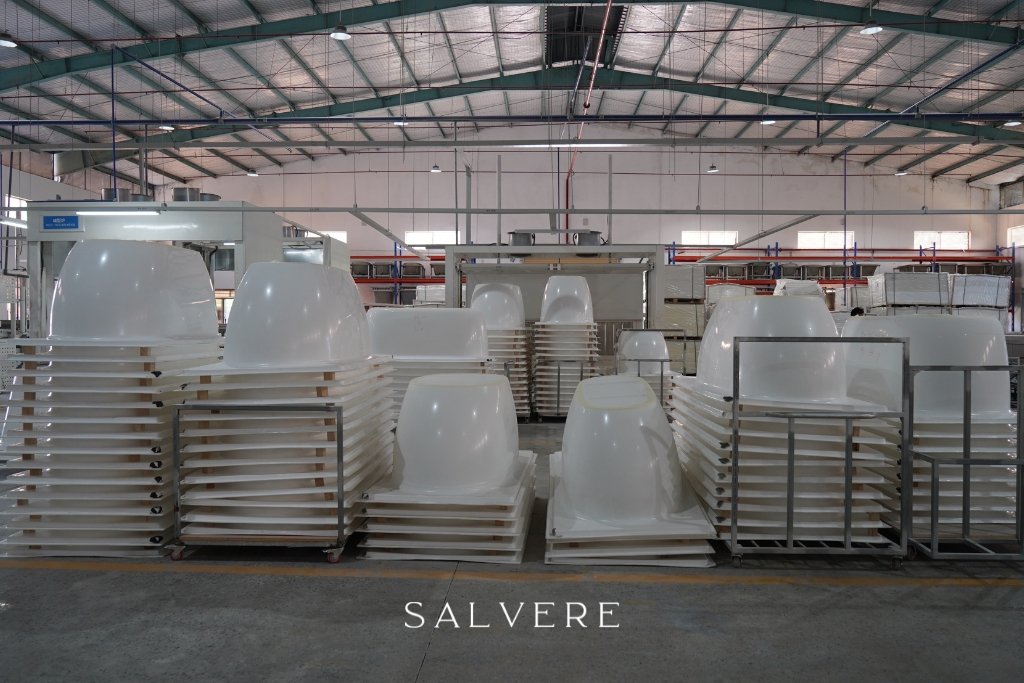
Let's explore the cutting-edge innovations that are shaping the future of bathtubs, especially in acrylic.
The Rise of Acrylic: Why Material Innovation Drives Design Evolution?
Acrylic is not just a material; it's a canvas for creativity.
The continuing rise of acrylic as a dominant bathtub material is fundamentally driven by its remarkable material innovation, which directly fuels design evolution. Advancements in acrylic have led to enhanced durability, superior heat retention, and increased UV resistance, addressing previous limitations. Crucially, its thermoformability allows for intricate, fluid shapes, thin rims that maximize internal space, and seamless integration of various features, empowering designers to break free from traditional constraints. These material improvements translate directly into more ergonomic, aesthetically diverse, and functionally superior bathtubs. As an OEM/ODM acrylic specialist, I see every day how new formulations and manufacturing techniques in acrylic unlock unprecedented design possibilities, responding to and anticipating consumer demands for comfort, style, and practicality.
Acrylic has always been a versatile material, but recent innovations are truly pushing its boundaries and, in turn, reshaping bathtub design.
- Enhanced Durability and Scratch Resistance:
- Innovation: Newer acrylic formulations and advanced surface treatments are making tubs more resistant to scratches and impacts, increasing their longevity. This is critical for high-traffic environments like hotels or for demanding homeowners.
- Design Impact: Designers can use more intricate textures or subtle curves without worrying about premature wear.
- Improved Heat Retention:
- Innovation: Multi-layered acrylic constructions and integrated insulation techniques are significantly improving heat retention, keeping bathwater warmer for longer.
- Design Impact: Enables deeper, more luxurious soaker designs, as users can enjoy extended bathing without the water cooling too quickly.
- Wider Color and Finish Palette:
- Innovation: Beyond classic white, we're seeing advancements in producing acrylic with consistent, deep colors (e.g., grays, blacks) and even matte finishes directly integrated into the material, not just surface coatings.
- Design Impact: Offers designers greater freedom to match trending bathroom aesthetics and create unique, branded products.
- Complex Geometry and Thin Rims:
- Innovation: Improved thermoforming and vacuum molding technologies allow for more precise and complex shapes, including very thin, sharp rims that maximize internal soaking space without compromising structural integrity.
- Design Impact: This is a game-changer! It allows for minimalist aesthetics on the exterior while providing incredible comfort internally.
Acrylic's evolution isn't just incremental; it's transformative, providing designers with an increasingly powerful toolkit to create the next generation of bathtubs.
Emerging Aesthetic Trends: From Matte Finishes to Minimalist Forms?
Sleek, subtle, and sophisticated.
Emerging aesthetic trends in bathtub design are strongly favoring minimalist forms, which emphasize clean lines and elemental shapes, fostering a sense of calm and spaciousness. This simplicity is often paired with a growing demand for sophisticated matte finishes, moving beyond traditional glossy white to offer a contemporary, softened look that reduces glare and adds textural depth. These trends reflect a broader desire for understated luxury and tranquility in bathroom design. Brands are embracing these aesthetics to create bathtubs that serve as serene focal points in modern interiors. As an ODM manufacturer, Salvere is actively developing solutions to achieve these demanding finishes and forms in acrylic, ensuring both visual appeal and a pleasant tactile experience for consumers.
The visual appeal of bathtubs is shifting, moving towards designs that evoke serenity and understated luxury.
-
Minimalist Forms:
- Key Characteristics: Clean lines, simple geometric shapes (oval, rectangular, round), absence of excessive ornamentation, seamless transitions.
- Why it's trending: Reflects a desire for uncluttered spaces, calm environments, and sophisticated simplicity. These tubs act as sculptural elements without dominating the space.
- Acrylic's Role: High-quality acrylic's ability to be thermoformed into smooth, uninterrupted surfaces is perfect for achieving this aesthetic.
-
Matte Finishes:
- Key Characteristics: A non-glossy, velvety texture that absorbs light rather than reflecting it. Often seen in whites, grays, and even blacks.
- Why it's trending: Offers a refined, contemporary look that feels more luxurious and less 'plastic-y'. It reduces glare and adds a tactile dimension.
- Acrylic's Role: Innovations in acrylic formulation and surface treatments now allow for durable, consistently matte finishes that maintain their integrity over time. This was historically more challenging to achieve than glossy.
-
Thin Rims and Integrated Design:
- Key Characteristics: Bathtubs with very fine, almost razor-thin rims that blend seamlessly into the main tub body, often paired with sleek, integrated overflow drains.
- Why it's trending: Maximizes internal soaking space while maintaining an elegant, minimalist external profile.
- Acrylic's Role: Advanced thermoforming precision allows us to create these delicate yet strong rim designs, pushing the boundaries of what's possible with the material.
These aesthetic trends are not just about looks; they are about creating a holistic bathing environment that is both visually pleasing and tactilely satisfying.
Ergonomics and Comfort: Shaping the Future of Soaking Experiences?
Beyond looking good, it feels good.
The future of soaking experiences is increasingly shaped by advancements in ergonomics and personalized comfort, moving beyond basic functionality to deliver true relaxation. Innovations focus on creating internal geometries that meticulously support the human body—think precisely angled lumbar supports, integrated neck rests, and thoughtfully contoured armrests—to minimize pressure points and maximize immersion. Deeper soaking wells, often achieved through smart overflow design, are becoming standard for full body submersion. Furthermore, improvements in acrylic's heat retention contribute directly to sustained comfort. Brands are prioritizing detailed internal shaping and material properties to define bathtubs as therapeutic retreats, ensuring every bathing experience is a bespoke embrace rather than just a wash.
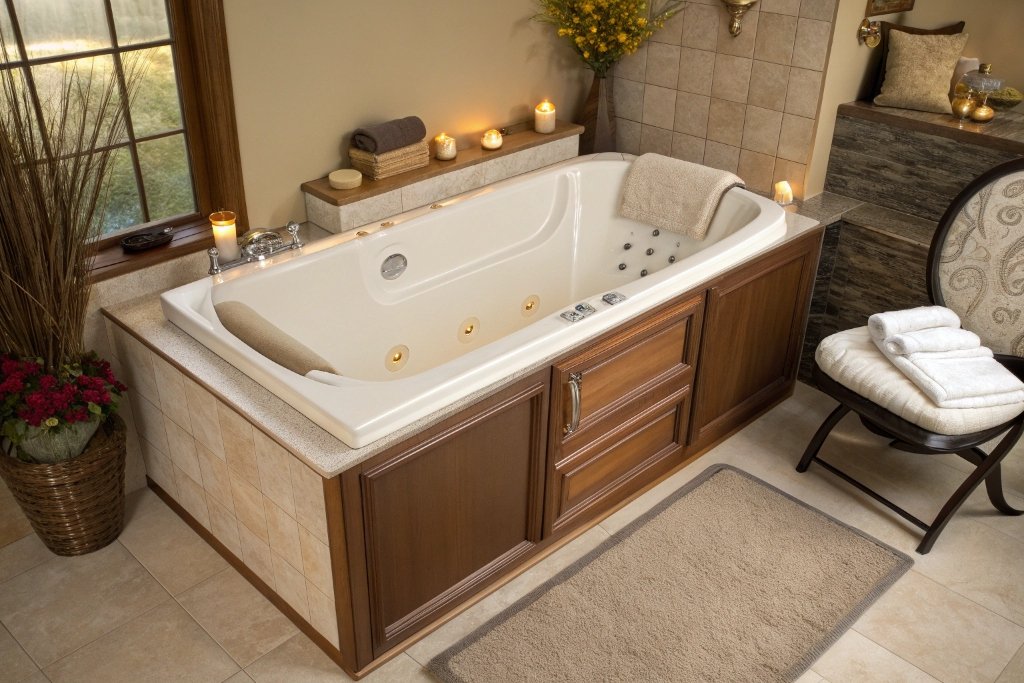
A bathtub can be beautiful, but if it's not comfortable, it fails its primary purpose. Ergonomics are at the heart of future design.
- Precision-Engineered Lumbar Support:
- Innovation: Bathtubs are now designed with specific angles and curves in the backrest that more closely mimic the natural curve of the human spine. Instead of just a sloped back, it’s a thoughtfully sculpted support.
- Comfort Impact: Reduces strain on the lower back, allowing for longer, more comfortable soaks. This is crucial for truly therapeutic bathing.
- Integrated Neck and Headrests:
- Innovation: Some designs now incorporate subtle, comfortable headrests or neck supports directly molded into the acrylic, or feature compatible, removable accessories that seamlessly integrate.
- Comfort Impact: Eliminates the need for awkward bath pillows, providing natural head and neck support for complete relaxation.
- Optimized Arm and Shoulder Placement:
- Innovation: Internal tub widths and side wall designs are being refined to ensure ample, comfortable space for arms and shoulders, preventing a cramped feeling. This might include subtle contours.
- Comfort Impact: Allows for natural arm positioning, whether resting on the tub edge or submerged comfortably within the water.
- Deeper Soaking Wells with Minimalist Overflows:
- Innovation: Designers are finding ways to increase the water depth to the overflow drain, often by integrating the overflow into the tub wall itself, creating a sleeker profile.
- Comfort Impact: Enables fuller body immersion, crucial for a truly enveloping and therapeutic bath experience.
The focus is shifting from simply having a tub to having a personal, therapeutic sanctuary tailored to the human form.
Customization at Scale: How OEM/ODM Production Adapts to Changing Demands?
Tailoring the factory to your vision.
Customization at scale has become a defining characteristic of modern bathtub manufacturing, with OEM/ODM production uniquely adapting to meet these evolving demands. As an OEM/ODM specialist, Salvere leverages flexible tooling, modular design principles, and advanced automated production lines to efficiently produce a diverse range of bathtub sizes, shapes, and feature sets for global brands. This allows for rapid prototyping of bespoke designs and cost-effective production of short runs for niche markets or unique installation requirements, while maintaining high quality and compliance. The ability of OEM/ODM to offer extensive personalization, from specific dimensions and integrated features to unique finishes, without exorbitant costs, directly addresses the growing consumer desire for tailored products and empowers brands to differentiate themselves in a competitive market.
The desire for "just right" isn't limited to individuals; brands also need tailored solutions. OEM/ODM is the answer.
- Flexible Tooling and Modular Design:
- Adaptation: Modern OEM/ODM factories are investing in flexible tooling and modular mold systems. This means elements of a mold can be swapped out to slightly alter length, width, or features without needing an entirely new, expensive mold.
- Impact: Enables brands to offer a wider range of sizes or slight design variations to cater to specific market segments or architectural requirements, keeping customization costs lower than full OEM.
- Rapid Prototyping and Iteration:
- Adaptation: Advanced CAD/CAM software and faster mold-making processes allow for quicker prototyping and design iteration. Brands can test multiple variations of a "custom" tub before committing to full production.
- Impact: Speeds up time-to-market for custom designs and minimizes risk by ensuring the final product meets exact specifications.
- Supply Chain Diversification and Compliance:
- Adaptation: OEM/ODM manufacturers like Salvere, located in Vietnam, offer alternatives to traditional supply chains, providing tariff advantages and geographic diversification for brands. This flexibility extends to adapting to various international compliance standards.
- Impact: Allows brands to offer custom products globally, adhering to diverse regional regulations and economic considerations.
- Integration of Smart Technologies:
- Adaptation: OEM/ODM can integrate smart features like chromotherapy, Bluetooth audio, and custom jetted systems into bathtub designs, often as modular additions.
- Impact: Enables brands to create technologically advanced, customized wellness products without having to develop the complex systems in-house.
OEM/ODM manufacturing is evolving to make customization more accessible and efficient than ever before, empowering brands to innovate without prohibitive costs.
Sustainability and Lightweight Design: Meeting the Needs of Modern Projects?
Eco-conscious and structurally smart.
The push for sustainability and lightweight design is profoundly impacting bathtub manufacturing, driven by environmental concerns and the practical needs of modern construction projects. Innovations in acrylic focus on using recycled content, developing more energy-efficient production processes, and minimizing material waste during the thermoforming phase. Simultaneously, lightweight design is crucial for simplifying transportation, reducing carbon footprint, and easing installation, particularly in high-rise buildings or remodels where floor load capacity is critical. Brands are actively seeking tubs that offer a reduced environmental impact without compromising performance or aesthetics. This trend aligns perfectly with acrylic's inherent advantages: it’s lighter than cast iron and less prone to breakage, making it an ideal choice for eco-conscious and structurally demanding projects. At Salvere, we are constantly working to optimize material usage and production efficiency, making our acrylic tubs a sustainable choice for the future.
Modern projects demand not only beauty and function but also environmental responsibility and structural efficiency.
- Reduced Environmental Footprint:
- Sustainable Acrylic: Innovations include using acrylic that contains a percentage of recycled content, as well as refining manufacturing processes to reduce energy consumption and waste.
- Design for Disassembly: Designing tubs for easier recycling at the end of their lifecycle is an emerging consideration.
- Impact: Appeals to environmentally conscious consumers and meets green building certifications, crucial for many modern commercial and residential developments.
- Energy Efficiency in Production:
- Processes: OEM/ODM factories are adopting more energy-efficient thermoforming techniques and waste reduction strategies. For example, optimizing material cut-outs to minimize scrap.
- Impact: Lowers the overall carbon footprint of bathtub production.
- Lightweight for Transportation and Installation:
- Acrylic's Advantage: Acrylic is significantly lighter than cast iron or solid surface materials. This inherently reduces fuel consumption during shipping.
- Installation Benefits: Lighter tubs are easier to maneuver and install, reducing labor costs and potential injury risks. This is especially critical for projects in high-rise buildings where heavy materials pose logistical challenges.
- Structural Benefits: Minimizes strain on building structures, often eliminating the need for expensive floor reinforcement. This makes remodels easier and less costly.
Sustainability and lightweight design are no longer optional extras; they're becoming fundamental requirements for modern bathtub design and manufacturing.
Design-Driven Manufacturing: Aligning Production with 2026 Trends?
From concept to consumer, with intent.
Design-driven manufacturing is paramount for aligning production with emerging 2026 bathtub trends, establishing a symbiotic relationship where innovative design concepts directly guide and optimize the manufacturing process. This approach integrates designers, engineers, and production specialists from the initial conceptualization phase, ensuring that desired aesthetics, ergonomic features, and sustainable practices are manufacturable at scale within quality and cost parameters. Production processes are continuously refined to facilitate complex acrylic forms, new finishes, and integrated smart technologies predicted to be popular. As an OEM/ODM, Salvere actively leads this integration, using advanced automation and flexible production lines to translate avant-garde design into high-quality, market-ready acrylic bathtubs. This proactive alignment ensures that emerging trends are not just identified but effectively brought to life, meeting and shaping consumer expectations for future products.
The strongest trend of all is the seamless integration of design and manufacturing, ensuring innovation translates into reality.
- Early Collaboration Between Design and Production:
- Trend Alignment: Future-focused manufacturing involves designers and engineers working hand-in-hand from the very first concept sketch. This ensures that trendy designs (like thin rims, complex ergonomics, or integrated smart features) are not just beautiful but also feasible to produce at scale with acrylic.
- Impact: Prevents costly redesigns, speeds up product development, and ensures the final product faithfully reflects the design intent.
- Investment in Advanced Automation:
- Trend Alignment: To achieve the precision required for minimalist forms, perfect matte finishes, and complex internal shaping, factories must invest in advanced robotic trimming, polishing, and quality control systems.
- Impact: Ensures consistent quality, reduces human error, and allows for the intricate detailing demanded by 2026 trends.
- Flexible Production Lines:
- Trend Alignment: The move towards customization and smaller batch runs for niche markets necessitates highly flexible production lines that can quickly switch between different models, sizes, and feature sets.
- Impact: Allows manufacturers to respond rapidly to changing market demands and emerging micro-trends without significant retooling costs.
- Embracing Digital Prototyping and Simulation:
- Trend Alignment: Before physical molds are cut, extensive digital prototyping and stress analysis are used to predict how new designs will perform, both aesthetically and structurally.
- Impact: Reduces material waste from physical prototypes, accelerates the design validation process, and contributes to more sustainable development.
The future of bathtub design is a continuous dialogue between creative vision and manufacturing capability, delivering cutting-edge products to the market.
👉 Learn more about Salvere Bath OEM/ODM capabilities
and how we manufacture acrylic bathtubs in Vietnam.

