
As an acrylic bathtub manufacturer at Salvere, I engage daily with the spectrum of bathtub options, from the most economical to the utterly luxurious. Making the right choice between a luxury and a budget bathtub is not just about the initial price tag; it's a complex evaluation of materials, features, installation, long-term costs, and perceived value. It's about finding the sweet spot where cost meets your project's specific needs and aesthetic aspirations.
Evaluating bathtub costs and benefits, whether for luxury or budget options, requires a comprehensive understanding of what drives their price points, including materials, features, and brand perception. While luxury tubs offer superior aesthetics, advanced functionalities, and higher perceived value, often with more complex installations, budget tubs provide practical functionality and cost-effectiveness, ideal for basic needs. The "better" choice hinges on balancing upfront expense, long-term value, installation implications, and the desired end-user experience for a specific project.
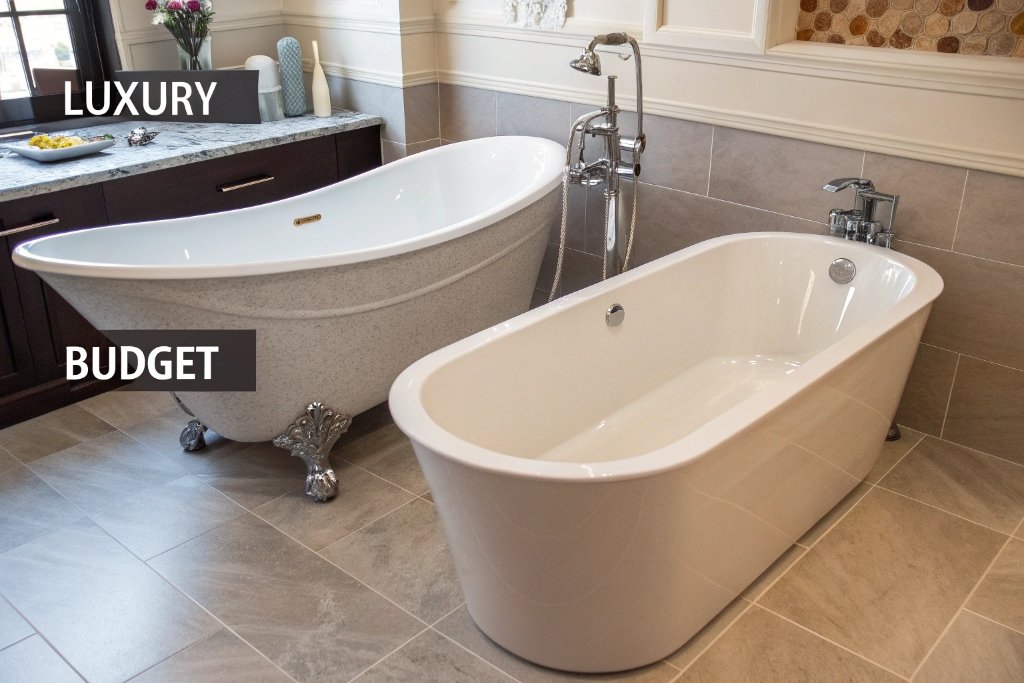
Let's break down the costs and benefits so you can make an informed decision for your next project.
Understanding What Drives Bathtub Costs
More than just material.
Bathtub costs are primarily driven by material, with high-end options like cast iron, copper, and solid surface commanding premium prices due to their weight, craftsmanship, and thermal properties, while acrylic offers a versatile, cost-effective mid-range. Beyond material, factors like size, integrated features (jets, heaters), advanced manufacturing (seamless designs), and brand reputation significantly escalate the price, reflecting both intrinsic value and market positioning.
Several key factors contribute to a bathtub's final price, beyond just the basic material.
- Material:
- Budget (e.g., Fiberglass, Thin Acrylic): Lightweight, often less durable, can feel flimsy.
- Mid-Range (e.g., High-Quality Acrylic): This is our expertise at Salvere. Durable, warm to the touch, excellent heat retention, non-porous, and repairable. Offers great value.
- Luxury (e.g., Cast Iron, Enameled Steel, Solid Surface, Copper, Stone): Heavy, excellent heat retention (cast iron), unique aesthetics (copper/stone), seamless look (solid surface), high durability but can be cold to the touch (cast iron, steel).
- Size and Shape: Larger tubs naturally use more material and are more complex to mold or fabricate. Unusual or custom shapes also increase costs.
- Features and Technology:
- Basic: Standard soaking tub.
- Mid/High-End: Air jets (Salvere specializes in these), whirlpool jets, inline heaters, chromotherapy lighting, built-in sound systems, integrated controls. Each feature adds significant cost.
- Manufacturing Process and Quality Control:
- Budget: Mass-produced, potentially with thinner acrylic layers or less stringent quality checks.
- Luxury: Hand-finished elements, multiple layers of high-grade material, precise engineering, and rigorous testing contribute to higher costs.
- Brand Recognition and Marketing: Reputable luxury brands often command higher prices due to their established history of quality, design, and customer service.
Understanding these drivers helps you see where cuts are made or value is added.
Comparing Features: Luxury vs. Budget Bathtubs
What do you get for your money?
Luxury bathtubs typically boast an array of advanced features, including hydrotherapy jets, inline heaters, chromotherapy lighting, and ergonomic designs for a premium soaking experience, often crafted from high-end materials. In contrast, budget bathtubs prioritize basic functionality and cost-effectiveness, offering simple soaking capabilities with minimal features, usually made from more economical materials like fiberglass or thinner acrylic, focusing on practicality over advanced indulgence.
The feature set is often the most visible differentiator between price points.
Budget Bathtubs (and basic Alcove/Drop-in Acrylic Tubs):
- Core Functionality: Designed primarily for soaking or shower-bath combinations.
- Material: Often fiberglass-reinforced plastic or thinner acrylic sheeting.
- Design: Standard rectangular shapes, often with built-in aprons for alcove installations. Limited color options (usually white).
- Features: Basic drain and overflow assembly. No advanced hydrotherapy or heating systems.
- Comfort: Can be less ergonomic, and materials may feel colder or less substantial.
Luxury Bathtubs (including high-end Acrylic, Cast Iron, Solid Surface, etc.):
- Advanced Hydrotherapy:
- Whirlpool Jets: Powerful water jets for deep tissue massage.
- Air Jets (Salvere's specialty): Gentle, effervescent bubbles for a full-body, relaxing massage.
- Combined Systems: Offer both water and air massage.
- Temperature Control:
- Inline Heaters: Maintain water temperature during long soaks, crucial for tubs with therapeutic jets.
- Heated Surfaces: Some high-end tubs offer heated backs or rims.
- Ergonomics and Design:
- Sculpted Interiors: Built-in lumbar support, armrests, and contoured seating for ultimate comfort.
- Unique Shapes: Oval, slipper, asymmetrical designs.
- High-End Materials: Like the substantial solid surface or elegant copper tubs.
- Technology Integration: Chromotherapy (color-changing LED lights), aromatherapy dispensers, Bluetooth speakers, remote controls.
- Material Quality: Thicker, premium acrylic with superior heat retention, or heavy-duty alternative materials.
Decide which features are "must-haves" for your ideal bathing experience.
Installation & Long-Term Cost Implications
The hidden expenses.
Installation complexities and long-term costs often diverge significantly between budget and luxury bathtubs. Budget tubs typically have simpler, quicker installations, minimizing labor costs and requiring standard plumbing. Luxury tubs, however, often demand specialized plumbing for advanced features like jets or heaters, require structural reinforcement due to greater weight, and can involve intricate labor for custom surrounds (e.g., solid surface, stone), leading to substantially higher upfront installation expenses. Additionally, luxury tubs with complex systems may incur higher maintenance and repair costs over time.
The purchase price is just the beginning.
Budget Bathtubs:
- Installation: Usually straightforward. Alcove tubs often slot into standard openings, and freestanding fiberglass tubs are lightweight and easy to position. This means lower labor costs for plumbers and installers.
- Plumbing: Standard water supply lines and drain.
- Structural Support: Minimal, due to their lightweight nature.
- Long-Term Costs:
- Durability: May scratch or chip more easily, leading to earlier replacement.
- Heat Retention: Water cools faster, potentially leading to more hot water usage for longer baths.
- Repairs: Often not designed for extensive repairs; replacement might be the only option.
Luxury Bathtubs:
- Installation: More complex and costly.
- Weight: Heavy materials (cast iron, stone) require structural reinforcement of the floor. This can involve additional carpentry and engineering costs.
- Plumbing: Tubs with jets, heaters, or integrated features require specialized electrical wiring, more complex plumbing lines, and potentially dedicated circuits. This means more expensive plumbing and electrical work.
- Access: Custom drop-in surrounds or wall-mounted plumbing for freestanding tubs might necessitate carefully planned access panels for future maintenance.
- Structural Support: Significant for heavy tubs.
- Long-Term Costs:
- Energy Use: Motors for jets and inline heaters consume electricity, increasing utility bills (though modern systems are efficient).
- Maintenance: More complex features can mean more points of failure, potentially leading to higher repair costs over the tub's lifespan. However, high-quality luxury tubs tend to be very durable overall.
- Cleaning: Tubs with many jets require periodic cleaning cycles to prevent
Always look at the total cost of ownership, not just the initial purchase price.
Aesthetic Value and Brand Perception
The visual and emotional impact.
Luxury bathtubs consistently deliver superior aesthetic value and brand perception, often featuring sophisticated designs, premium finishes, and unique forms that serve as a bathroom's focal point. High-end brands leverage reputation, exclusive materials, and meticulous craftsmanship to evoke a sense of prestige and quality, influencing perceived value beyond mere functionality. In contrast, budget bathtubs prioritize utility, offering standard designs and finishes that integrate discreetly, with brand perception centered more on affordability and practicality rather than elevated style or status.
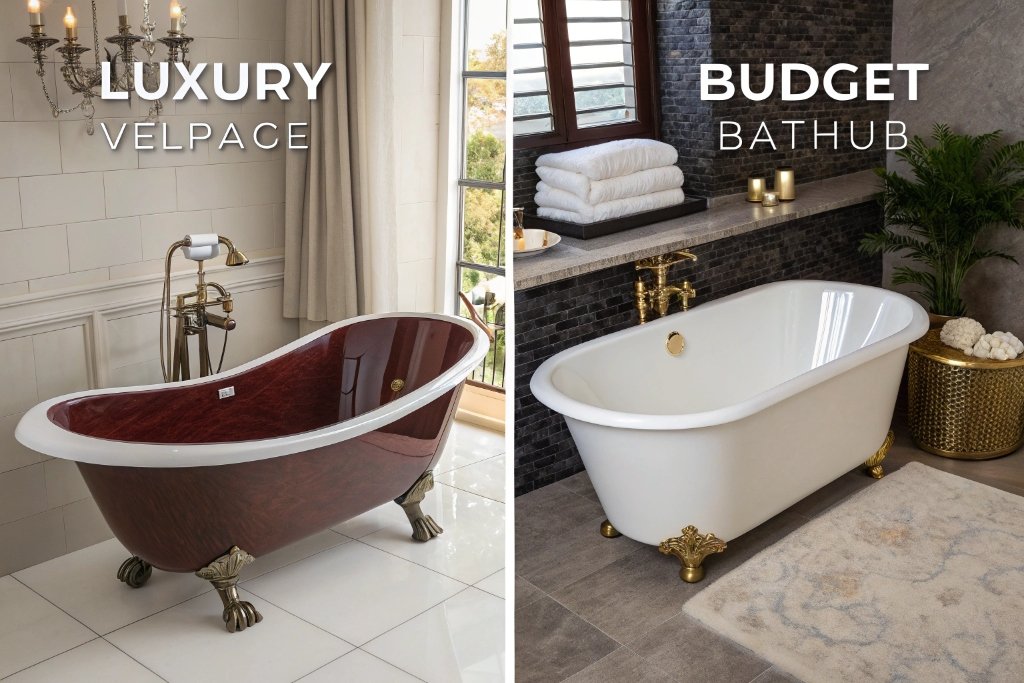
A bathtub is often a significant visual element in a bathroom, influencing the overall feel and perceived value of the space.
Budget Bathtubs:
- Aesthetic: Primarily functional. Designs are typically standard, uniform, and less distinctive. Colors are usually limited to white or off-white. The emphasis is on blending in rather than standing out.
- Brand Perception: Associated with affordability, practicality, and basic needs. While reliable, they rarely evoke a sense of luxury or cutting-edge design.
- Role in Design: A supporting player that fulfills a basic bathroom requirement without drawing attention.
Luxury Bathtubs:
- Aesthetic: Designed as a statement piece. Unique shapes, ergonomic curves, and high-quality finishes (e.g., polished acrylic, matte solid surface, gleaming copper) contribute to a sophisticated, often sculptural look. Available in a wider range of colors and finishes.
- Brand Perception: Associated with prestige, quality, innovation, and an elevated lifestyle. Owning a luxury brand tub can be a status symbol.
- Role in Design: Often the centerpiece of the bathroom, dictating the overall style and atmosphere. It contributes significantly to the "wow" factor and creates a spa-like ambiance.
Consider whether the bathtub is meant to be a quiet workhorse or a bold, beautiful focal point.
Return on Investment: Which Option Adds More Value?
Beyond personal enjoyment, what about resale?
Luxury bathtubs typically offer a higher return on investment in high-end homes or competitive markets by enhancing perceived value, commanding greater asking prices, and appealing to affluent buyers seeking spa-like amenities. While budget bathtubs provide functional necessity and appeal to a broader market segment, their ROI is more about fulfilling basic expectations rather than significantly boosting property value. The optimal choice depends on the home's overall value, target buyer demographic, and project budget.
While enjoyment is subjective, the financial return on investment (ROI) is more measurable, especially if you're considering resale value.
Budget Bathtubs:
- ROI: Provides an expected level of functionality. It ensures the bathroom meets basic expectations. It likely won't significantly increase resale value beyond providing a functional bathroom, but it prevents decreasing value by offering a basic, working fixture.
- Target Market: Appeals to a wide range of buyers looking for well-maintained, functional homes at a reasonable price point.
- Value Proposition: Serves as a necessary amenity without being a standout feature.
Luxury Bathtubs:
- ROI: In mid-to-high-end homes, or in competitive real estate markets, a luxury bathtub can offer a strong ROI. It becomes a desirable feature, contributing to a "spa-like bathroom" selling point. Buyers in this segment often prioritize features and aesthetics, and a beautiful, high-quality tub can increase perceived value.
- It may not return 100% of its cost, but it can make a home more appealing, accelerate a sale, or justify a higher asking price.
- Target Market: Attracts buyers who value design, upscale amenities, and a premium lifestyle.
- Value Proposition: Acts as a significant selling feature, elevating the entire
The ROI largely depends on your home's value, the neighborhood, and the target buyer demographic.
Choosing What Fits Your Project Needs
The ultimate decision-making framework.
Choosing the right bathtub, whether luxury or budget, depends on a careful assessment of project-specific needs: prioritize a budget tub for rental properties or guest bathrooms where cost-effectiveness, simplicity, and basic functionality are paramount. Opt for a luxury tub in a master bathroom or high-end renovation where design impact, advanced features, enhanced comfort, and a strong return on investment for property value are key considerations, ultimately aligning the choice with overall budget, aesthetic goals, and target user experience.
The decision between a luxury and a budget bathtub isn't about one being inherently "better" than the other. It's about alignment with your specific project's requirements.
- For Budget Bathtubs:
- Choose if: You're renovating a rental property, a secondary or guest bathroom, or if your budget is strictly limited. Basic functionality, ease of maintenance, and cost-effectiveness are your top priorities. You need a reliable option that gets the job done without breaking the bank.
- For Luxury Bathtubs (or High-End Acrylics with Advanced Features):
- Choose if: It's for a master bathroom, a high-end renovation where you want to create a spa-like retreat, or if you're looking to significantly increase your home's appeal and resale value in a competitive market. Top-tier comfort, advanced features, brand prestige, and a stunning aesthetic are crucial.
Make your choice based on a holistic view of costs, benefits, and your ultimate vision for the space.
Conclusion
The choice between a luxury and a budget bathtub hinges on effectively balancing initial cost against features, installation complexity, long-term maintenance, aesthetic impact, and potential return on investment. By thoroughly evaluating these factors relative to your specific project needs and budget, you can make an informed decision, whether you prioritize straightforward functionality or a lavish bathing experience.
👉 Learn more about Salvere Bath OEM/ODM capabilities
and how we manufacture acrylic bathtubs in Vietnam.

