
Choosing between steel and acrylic bathtubs isn’t always straightforward. Both have their place in the market, but in my experience working closely with OEM/ODM manufacturing for U.S. clients, I’ve seen how reinforced acrylic tubs have evolved — offering a better balance between comfort, durability, and design flexibility.
At our facility in Vietnam (Salvere), we’ve helped many brands and distributors transition from steel to acrylic — not just because of cost, but because properly reinforced acrylic performs surprisingly well over time.
Acrylic bathtubs offer better heat retention, more design flexibility, and a warmer feel than steel tubs. While steel tubs are cheaper, high-quality acrylic tubs with proper reinforcement last just as long without the cold, industrial feel.
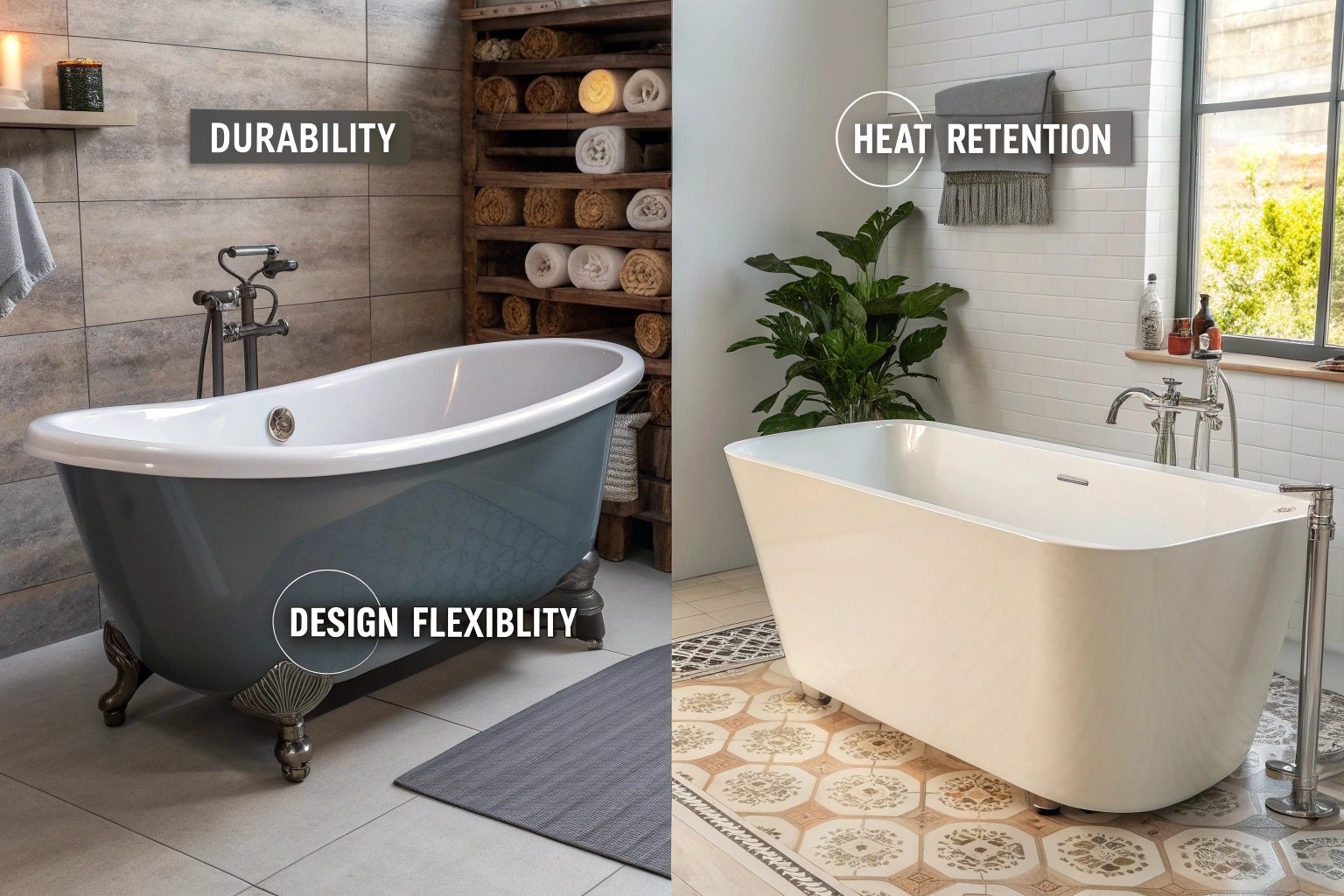
It’s common to assume that steel tubs are more “solid,” but from a manufacturing point of view, that’s only part of the story. I’ve seen many cases where well-reinforced acrylic tubs perform better — not only in comfort, but also in shipping, installation, and maintenance. Let’s break down where the key differences really lie.
Common Misconceptions About Acrylic Tubs
Some buyers worry about acrylic tubs being less durable. These concerns often come from bad experiences with poorly made products.
The main disadvantages of cheap acrylic tubs include potential scratching, flexing if not properly reinforced, and surface damage from harsh chemicals. However, these issues don't occur in well-made acrylic tubs with proper fiberglass backing and structural support.
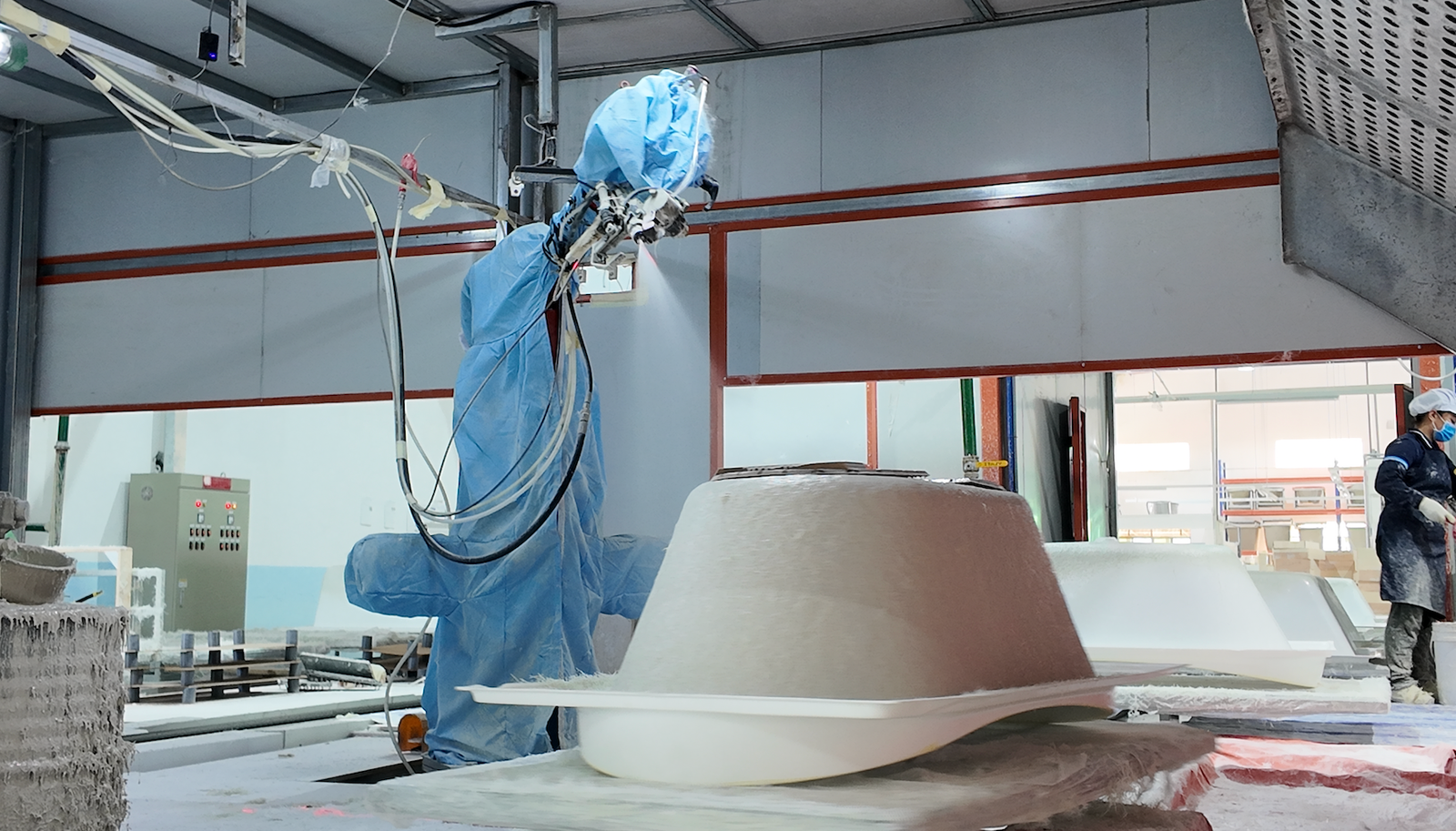
Many problems people associate with acrylic tubs actually come from manufacturers cutting corners:
- Structural weaknesses happen when makers skip reinforcement layers
- Surface scratches occur more on thin acrylic without proper coatings
- Flexing issues appear when side panels lack MDF reinforcement
Here's how quality manufacturers prevent these problems:
| Problem | Cheap Solution | Proper Solution |
|---|---|---|
| Flexing | No reinforcement | MDF side panels + fiberglass backing |
| Scratching | Thin acrylic layer | 3mm+ acrylic with protective coating |
| Warping | Minimal support framing | Steel frame with cross supports |
The key is finding a manufacturer that doesn't skip these important steps.
What is the most durable material for a bathtub?
Durability depends more on construction quality than material alone. Both steel and acrylic can last decades when made properly.
Cast iron is technically the most durable bathtub material, but high-quality acrylic tubs with proper reinforcement offer comparable longevity at half the weight. Our reinforced acrylic tubs routinely last 15-20 years with normal use.
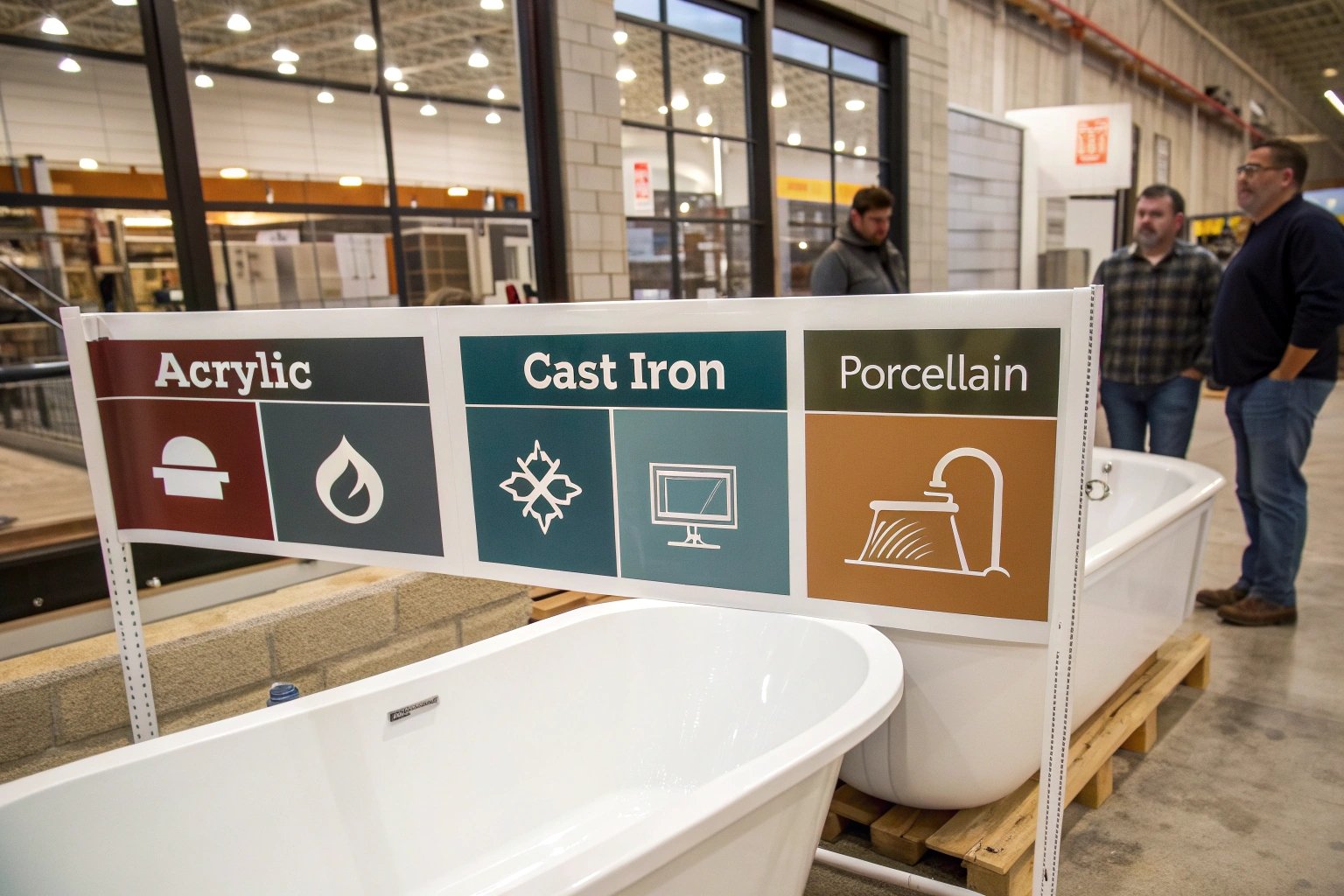
In our Vietnam factory, we've tested different materials extensively. Here's what we've found:
- Cast iron: Lasts 30+ years but extremely heavy (300-500 lbs)
- Steel enamel: Lasts 10-15 years but chips easily
- Basic acrylic: Lasts 5-8 years without reinforcement
- Reinforced acrylic: Lasts 15-20 years with proper construction
The durability equation changes when you consider:
- Weight limits: Many homes can't support cast iron
- Surface repairs: Acrylic is easier to refinish than steel
- Daily comfort: Acrylic stays warmer than metal
For most homeowners, reinforced acrylic offers the best balance of durability and practicality.
What is the life expectancy of an acrylic bathtub?
Life expectancy varies wildly based on quality. Don't let cheap imports ruin your perception of acrylic.
A properly constructed acrylic bathtub should last 15-20 years. Cheap, thin acrylic tubs might only last 5-8 years. The difference comes from reinforcement thickness, frame quality, and manufacturing standards.
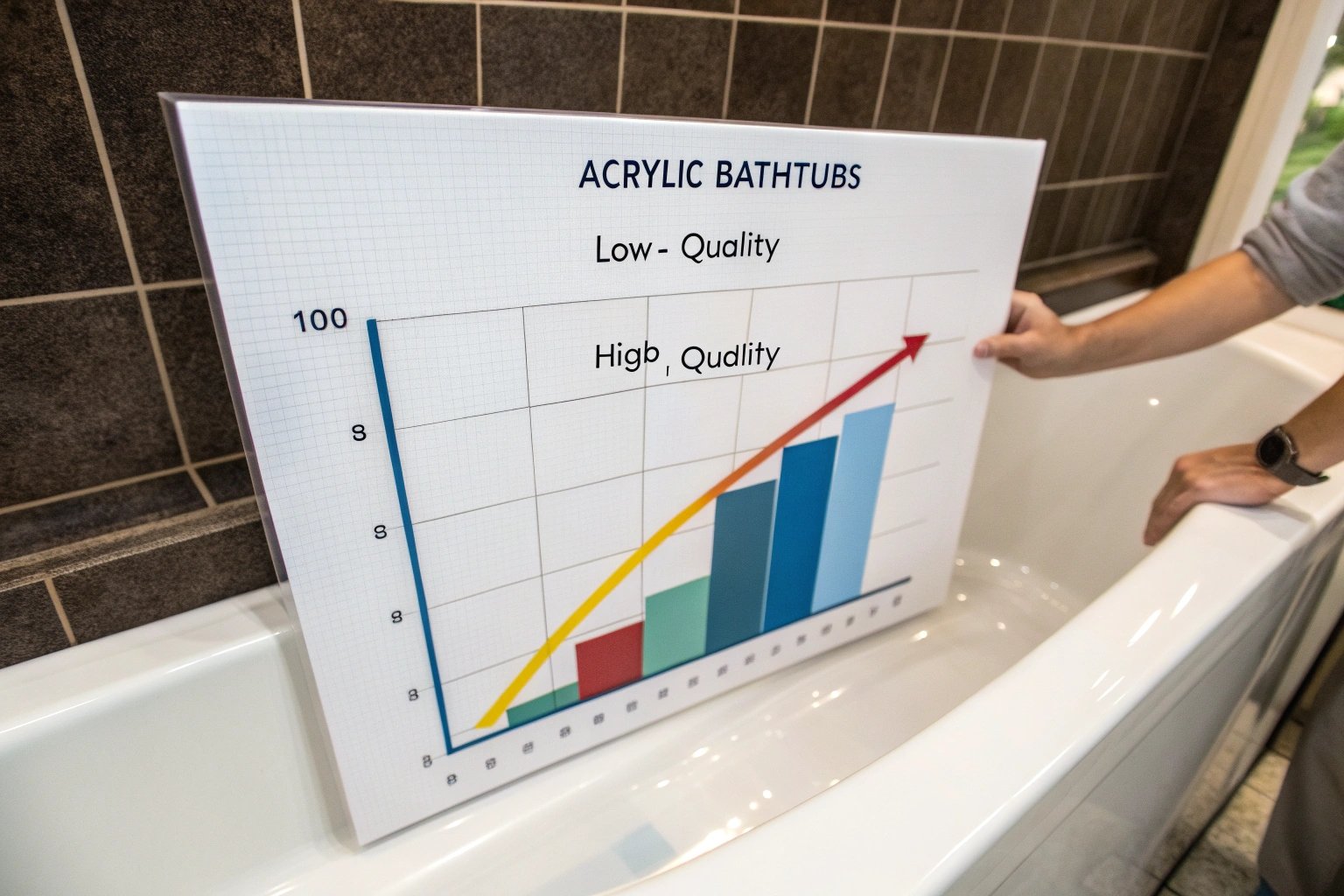
In our factory, we track every tub's lifespan. Here's what affects longevity:
-
Acrylic thickness:
- 2mm (cheap): 5-8 years
- 3mm+ (quality): 15-20 years
-
Reinforcement:
- No fiberglass: Prone to cracking
- Full backing: Lasts decades
-
Support frame:
- Plastic frame: Weakens over time
- Steel frame: Maintains structure
What damages acrylic tubs?
Understanding what harms acrylic helps you avoid problems and extend your tub's life.
The main acrylic tub damages come from abrasive cleaners, heavy impacts, and extreme heat. However, quality acrylic resists these better than people think.
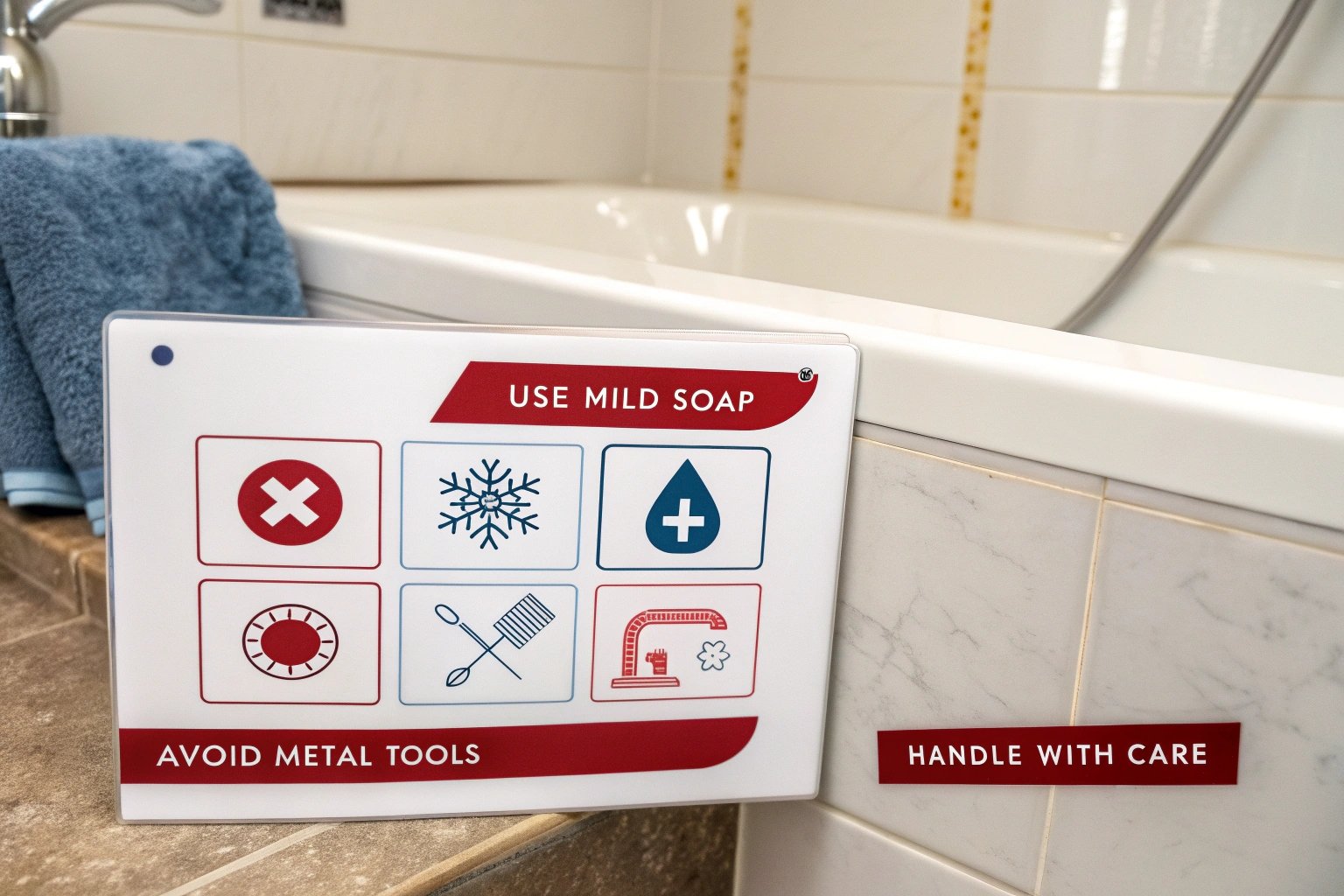
Here's how to protect your acrylic tub:
| Threat | Risk Level | Prevention |
|---|---|---|
| Abrasive cleaners | High | Use mild soap only |
| Sharp objects | Medium | Avoid metal tools |
| Very hot water | Low | <140°F recommended |
| Heavy impacts | Medium | No jumping/standing |
Our manufacturing process includes:
- Scratch-resistant surface coating
- Impact-modified acrylic formula
- Heat-stabilized materials
What kind of bathtub should I buy?
Your ideal tub depends on your priorities: comfort, durability, price, or ease of installation.
For most homeowners, a reinforced acrylic bathtub offers the best combination of comfort, durability, and value. Choose steel only if budget is your top concern and you can accept the colder, harder surface.
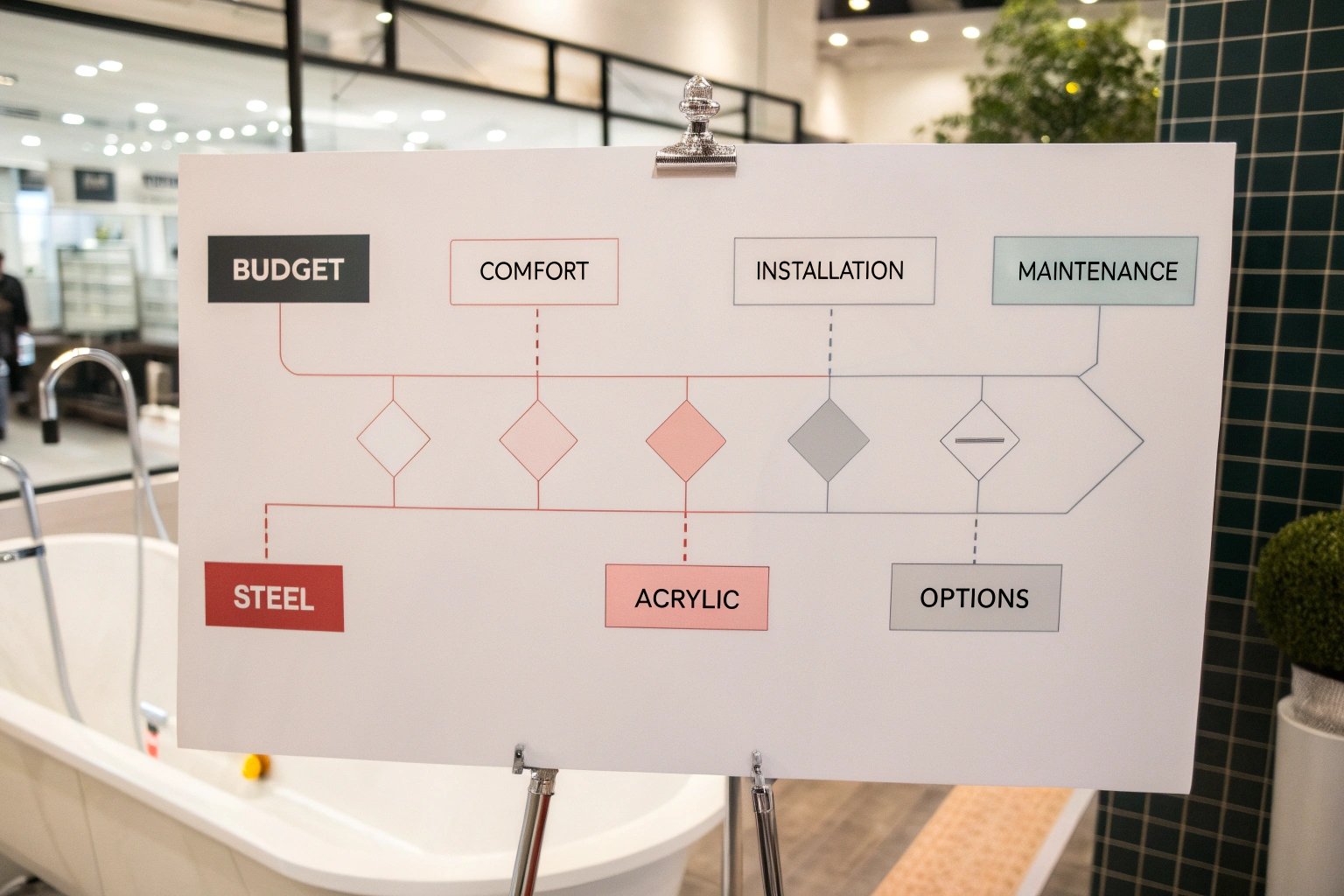
Consider these factors when deciding:
-
Budget:
- Steel: $200-$500
- Basic acrylic: $400-$800
- Reinforced acrylic: $800-$1,500
-
Comfort:
- Acrylic: Warmer surface
- Steel: Colder feel
-
Installation:
- Acrylic: Lighter, easier
- Steel: May need floor reinforcement
-
Maintenance:
- Acrylic: Easier to repair
- Steel: Harder to fix chips
For long-term satisfaction, we recommend investing in quality reinforced acrylic.
Conclusion
In our years of working with brands, distributors, and developers, we have found that reinforced acrylic offers a well-rounded solution — warm to the touch, lightweight for easier installation, and durable when properly constructed.
While steel still has its place in the market, especially for entry-level price points, a quality acrylic tub — reinforced with fiberglass and a steel frame — often provides better long-term value.
At Salvere Vietnam, this is the standard we follow. But regardless of where you source from, the key is to ensure your supplier doesn’t cut corners. In the end, how a bathtub is made often matters more than what it is made of.
If you are sourcing bathtubs and want to explore reinforced acrylic options, feel free to connect with us at Salvere Vietnam — we’re always open to sharing insights from the manufacturing floor.
👉 Learn more about our OEM/ODM capabilities
and how we manufacture acrylic bathtubs in Vietnam.

