
In recent years, shifting tariff policies and evolving global supply chains have pushed developers to rethink traditional material choices. Acrylic bathtubs have emerged as a smart alternative — offering better cost control and easier installation. Based on years of industry experience, it’s clear why more and more builders are turning to this material.
Acrylic bathtubs strike the ideal balance of durability, cost-efficiency, and design flexibility. Their lightweight construction reduces installation complexity while offering superior heat retention and comfort compared to steel or cast iron alternatives.
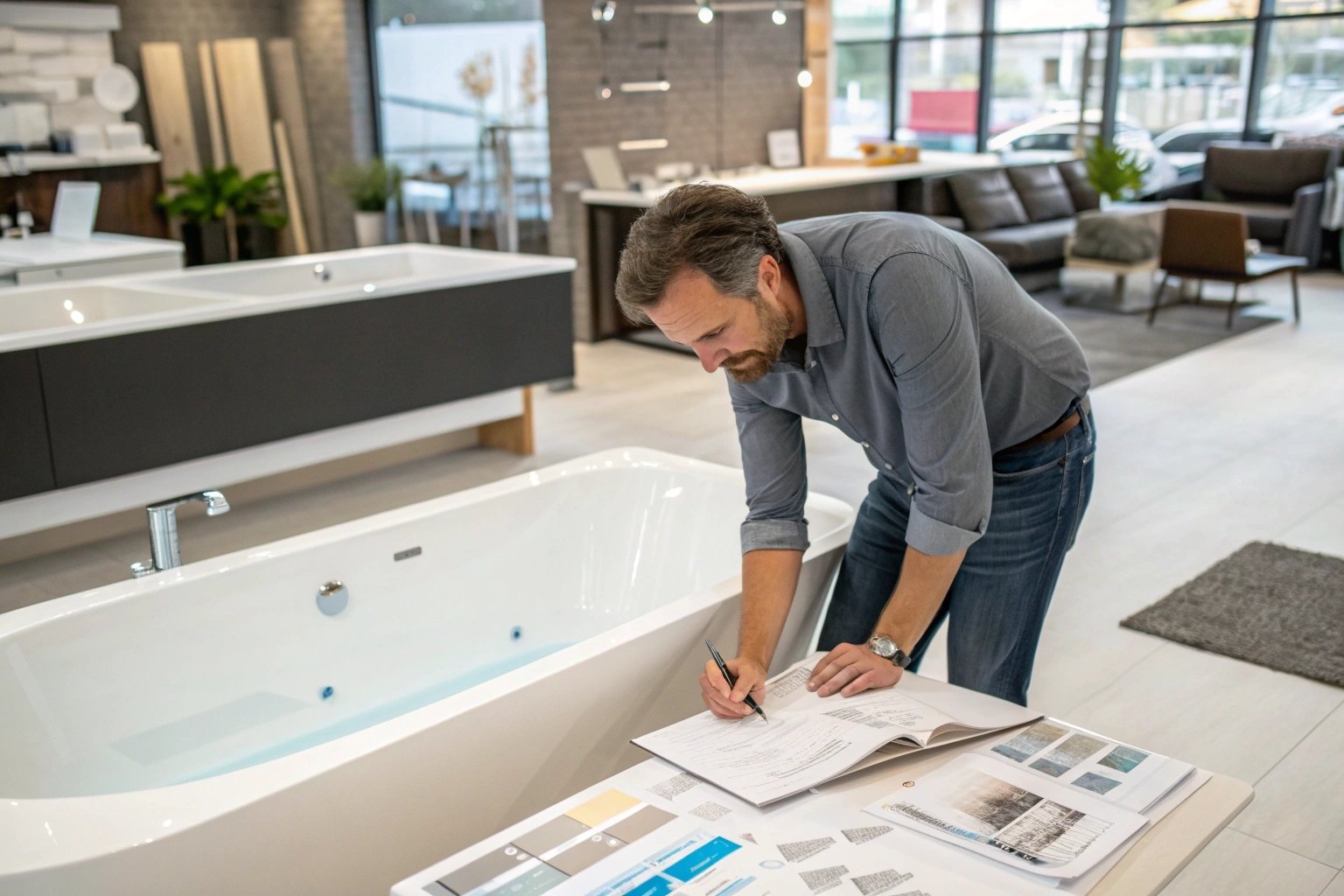
From our experience working with residential and commercial building projects, here’s why savvy developers are increasingly favoring acrylic.
Why More Developers Are Choosing Acrylic Over Cast Iron or Steel
Material choices directly affect build timelines, budgets, and structural needs. Acrylic offers practical advantages in every category.
Acrylic is approximately 60% lighter than cast iron, reducing the need for floor reinforcement and speeding up installation. When reinforced properly, modern acrylic performs on par with steel in strength — while exceeding it in thermal comfort and design options.
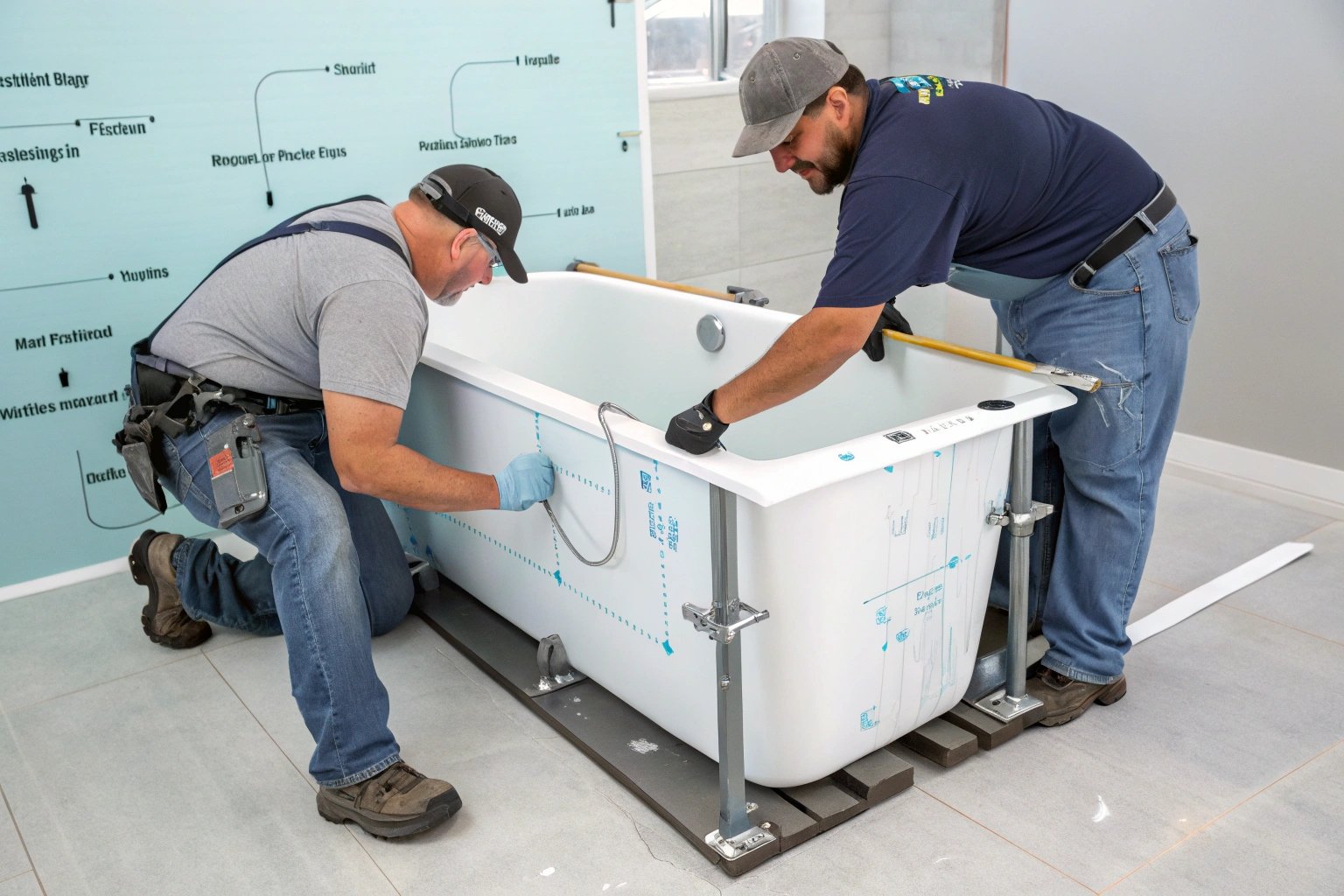
Key points we've learned from large-scale projects:
-
Weight Comparison
- Cast iron tubs can weigh 300–500 lbs, often requiring cranes and extra manpower.
- Steel tubs weigh about 100–150 lbs, but still need cautious handling.
- Acrylic tubs range from 70–100 lbs, making them easy to carry with just two workers.
-
Installation Efficiency
- No need for heavy equipment like cranes.
- Placement is up to 3x faster, especially when plumbing panels are pre-attached.
- Lightweight tubs are easier to maneuver in tight spaces or upper-floor installs.
-
Structural & Shipping Benefits
- Lighter weight means less stress on floor systems.
- Lower freight costs due to reduced volume and stackability.
- Less risk of damage during transport or movement onsite.
Project managers frequently report acrylic tubs offer 15–20% total cost savings in installation compared to cast iron models.
Are Acrylic Bathtubs Durable Enough for Long-Term Use?
Durability concerns often stem from outdated perceptions of early acrylic products. But with modern manufacturing standards, the reality is quite different.
High-quality reinforced acrylic bathtubs can withstand over 15 years of regular use without structural issues. Stress tests show they maintain integrity through more than 50,000 fill-and-drain cycles — a strong benchmark for long-term residential or rental property use.
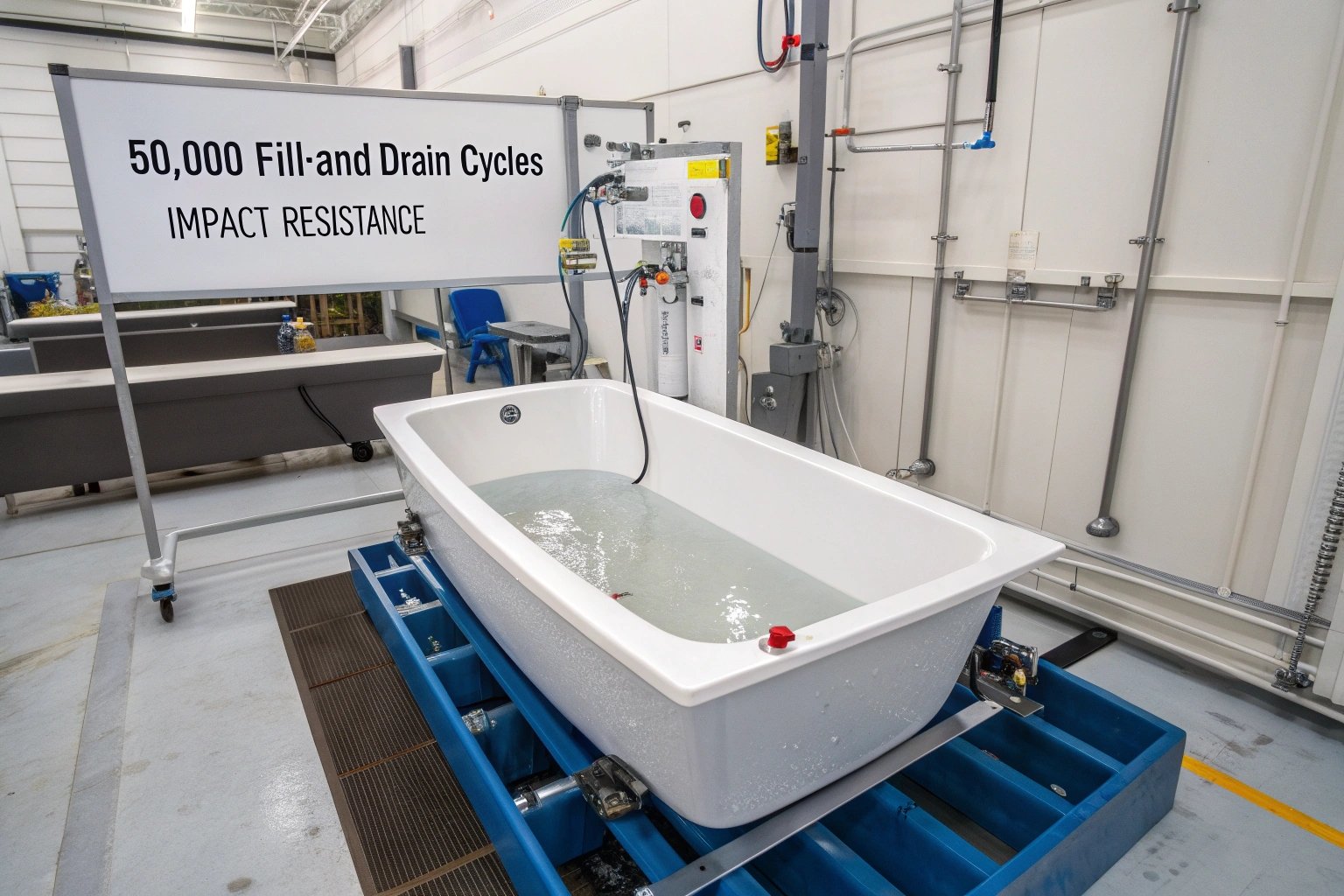
Key testing benchmarks for quality acrylic tubs:
-
Impact Resistance
- Withstands 250 lbs of concentrated load without cracking.
- Can tolerate tools dropped from 3 feet without surface damage.
-
Surface Wear
- Resists 10,000+ scrubbing cycles.
- No visible damage from standard bathroom cleaners.
-
Thermal Performance
- No warping after 5,000 cycles of 180°F water.
- Maintains gloss and form even with frequent hot water usage.
Feedback from long-term rental and hotel project partners indicates very low maintenance rates when using well-made acrylic tubs.
What Makes Acrylic Bathtubs Easier to Install On Site?
Installation speed and simplicity can make or break a large housing project. Acrylic tubs consistently outperform heavier materials in this category.
Installation advantages of acrylic tubs:
-
Easier Handling
- Two-person carry is standard.
- No cranes or hoists required.
- Less physical strain on crews.
-
Flexibility During Placement
- Minor adjustments possible even after positioning.
- 1/2" wall tolerance helps in uneven spaces.
- Flexible rims reduce risk of cracking during installation.
-
Plumbing & Fixture Readiness
- Pre-drilled access panels and drain holes.
- Consistent hardware locations simplify plumbing connections.
- Optional panels or skirt designs integrate seamlessly.
Install teams often report placing 12–15 acrylic tubs per day — compared to 4–5 for heavier options.
Why a Reliable OEM Bathtub Partner Matters
Choosing the right OEM supplier isn’t just about product specs — it’s about dependability, scalability, and experience.
Acrylic manufacturing requires specialization. Experienced factories with consistent quality systems and a strong supply base are key.
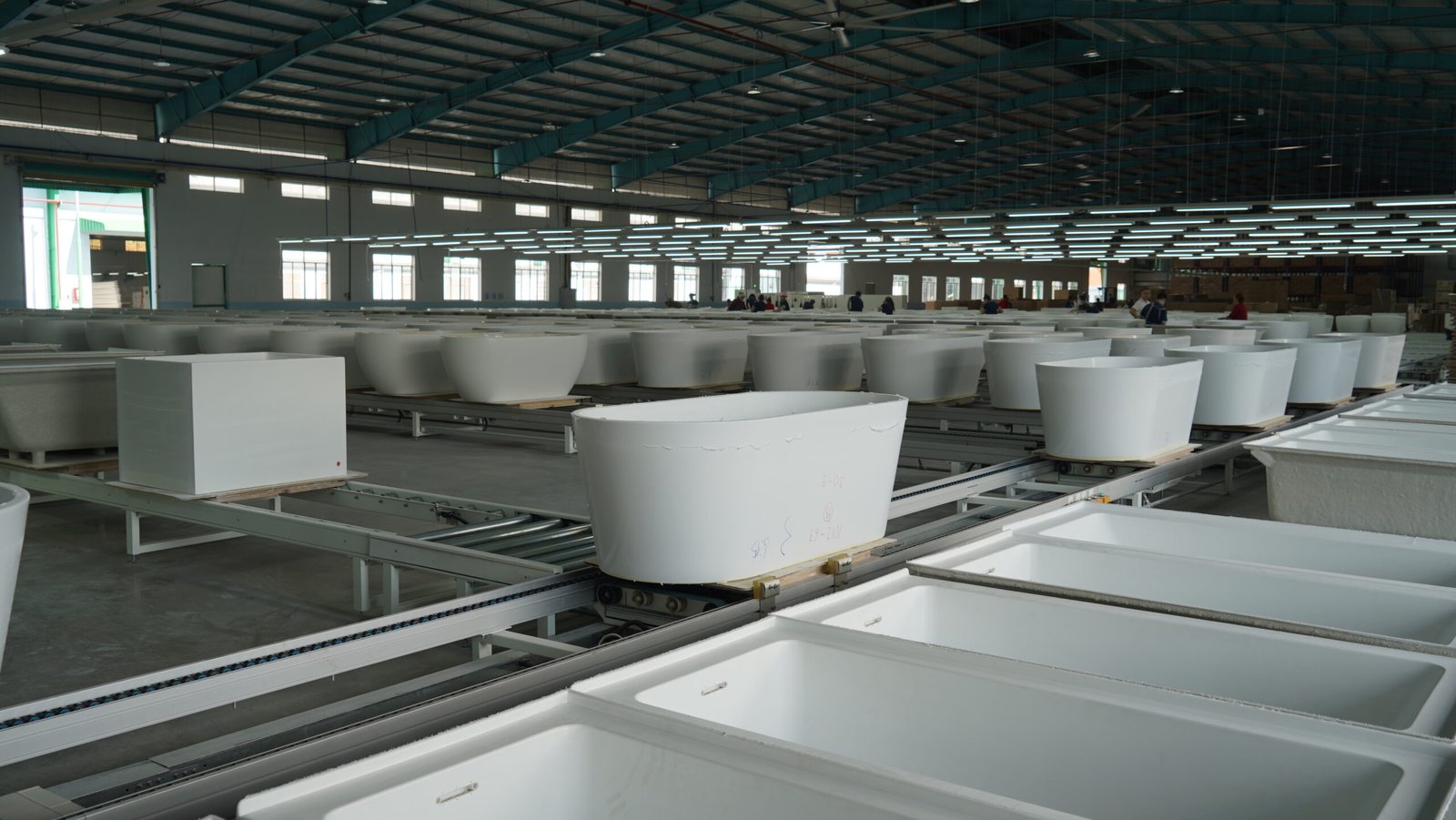
What experienced buyers look for in an OEM partner:
-
Vertical Integration
- In-house acrylic sheet forming ensures better quality control.
- Less dependency on third-party vendors shortens lead times.
-
Proven Production Standards
- Full-cycle quality control with multi-point inspections.
- Leak testing and stress testing before shipment.
-
Location Advantages
- Vietnam origin offers tariff benefits in many global markets.
- Easier logistics for Asia-Pacific and US West Coast buyers.
Rather than quoting production volume or delivery statistics, we emphasize consistency and collaborative execution — especially for clients managing time-sensitive developments.
Conclusion
For developers and project managers, acrylic bathtubs provide a practical and modern solution — offering the right mix of performance, affordability, and flexibility. Whether you're scaling a mid-rise apartment project or outfitting custom units, acrylic is worth considering.

