
Every April, the global design industry turns its attention to Milan. Designers, architects, brands, and manufacturers gather to present new ideas, materials, and product concepts. But for professionals in the bathroom industry, Milan Design Week is more than just a design event — it often signals where bathroom and bathtub design is heading next.
For bathroom brands, developers, and product teams, understanding what happens during Milan Design Week can provide valuable insight into emerging trends, materials, and consumer expectations.
Quick Review
Milan Design Week is the world’s most influential design event, combining the Salone del Mobile exhibition with hundreds of citywide installations known as Fuorisalone. For bathroom brands, it serves as an early indicator of design trends, material innovation, and product directions that will shape future bathtub and bathroom collections.
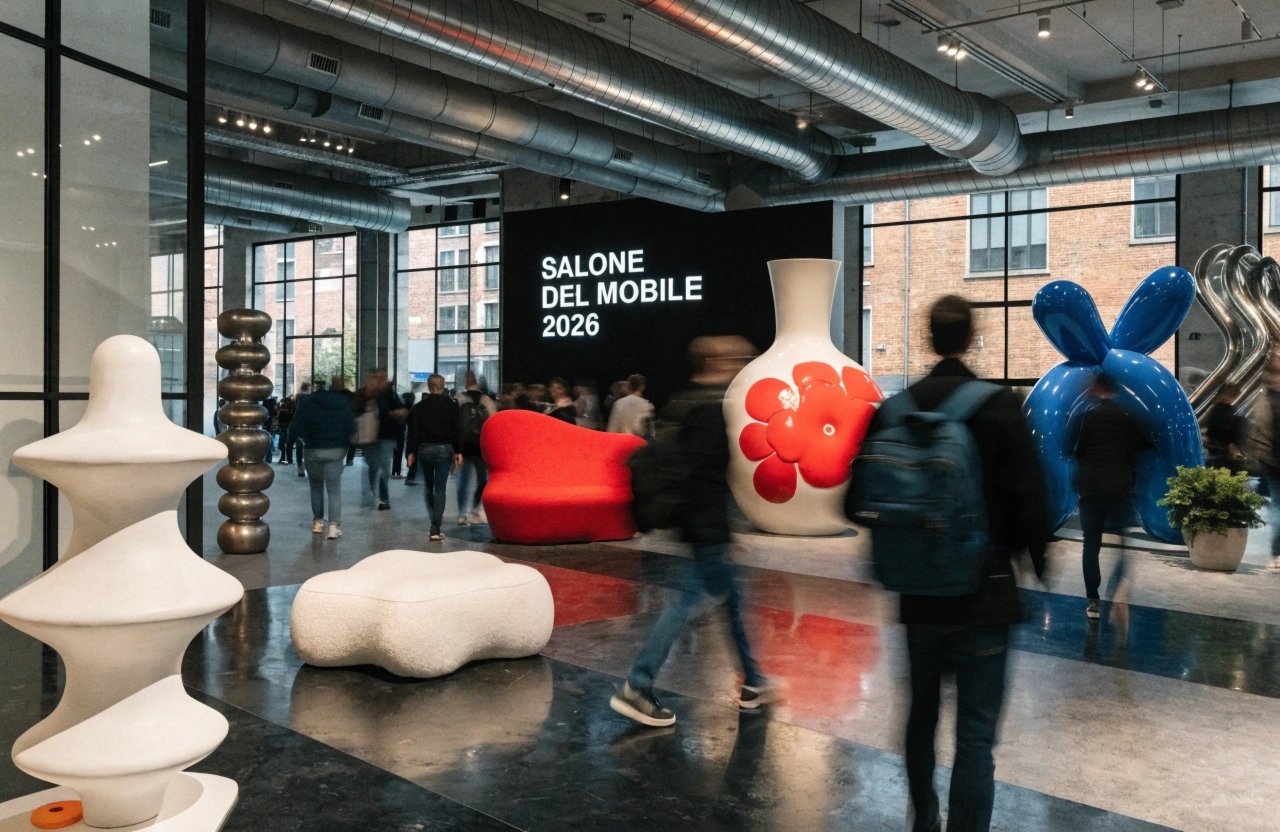
What Exactly Is Milan Design Week?
Milan Design Week is not a single exhibition. Instead, it is a combination of two major components that take place simultaneously across the city.
Salone del Mobile
Salone del Mobile is the official furniture fair held at the Fiera Milano Rho exhibition center. It hosts hundreds of international brands presenting furniture, lighting, and interior products.
For manufacturers and product developers, Salone often introduces:
- new design languages
- innovative materials
- evolving interior aesthetics
Although the focus is furniture, many design directions introduced here eventually influence bathroom products as well.
Fuorisalone
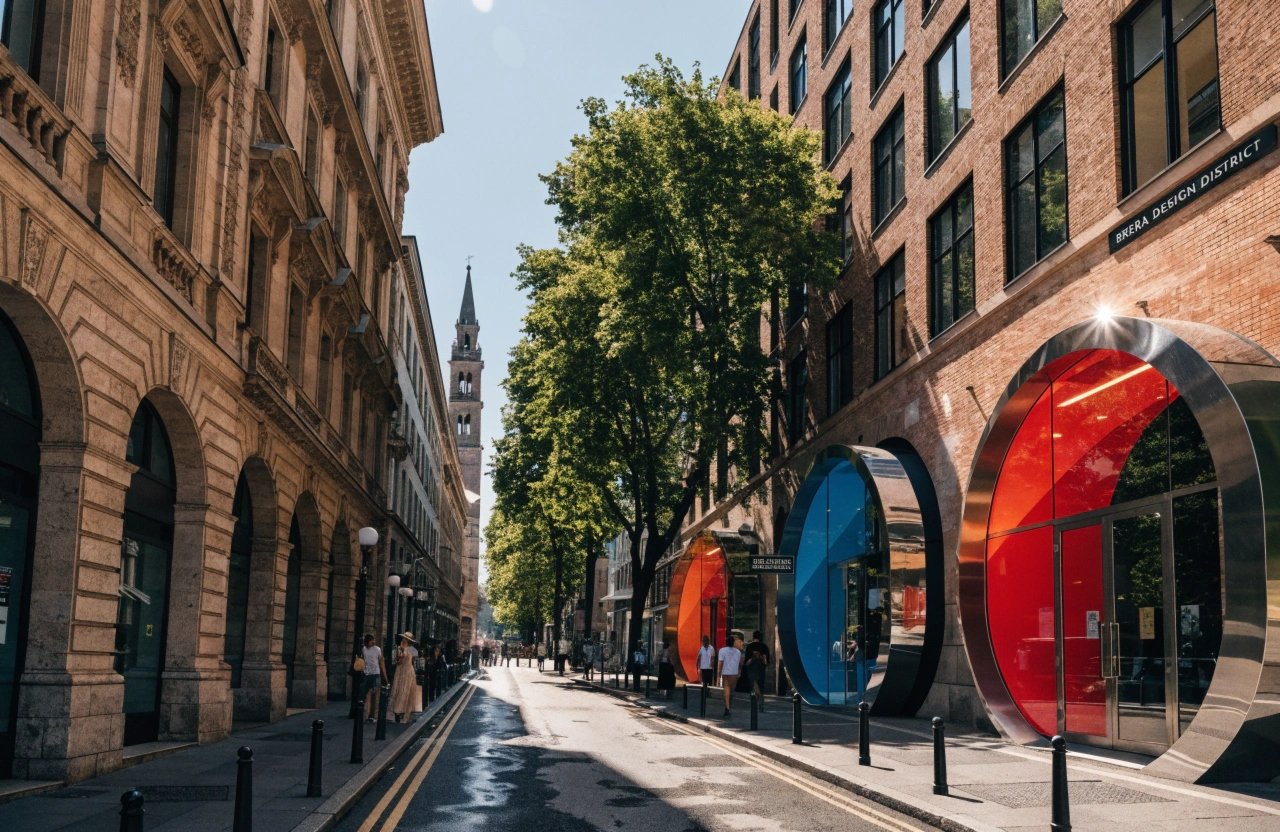
Fuorisalone refers to the citywide exhibitions and installations that take place throughout Milan during the same week.
These exhibitions are spread across design districts such as:
- Brera Design District
- Tortona Design District
- Isola Design District
- 5Vie Design District
Brands, designers, and studios use these spaces to present experimental concepts, immersive installations, and new product ideas.
For many visitors, Fuorisalone is where the most creative and forward-looking design concepts appear.
Why Milan Design Week Matters for Bathroom Brands
While Milan Design Week is not specifically a bathroom exhibition, it strongly influences how interiors — including bathrooms — evolve.
Early Signals of Design Trends
Many aesthetic directions that later appear in bathroom collections can first be observed during Milan Design Week.
Examples include:
- softer organic forms
- minimalist silhouettes
- thin-edge product structures
- natural textures and finishes
These design elements increasingly appear in modern bathtub collections.
For product teams and brand managers, observing these patterns early helps guide future product development.
Material Innovation and Finishes
Milan Design Week often showcases experimentation with materials and finishes. This can directly influence bathroom product design.
In recent years, materials with stone-like visual qualities but improved practicality have gained attention.
This is where acrylic bathtubs are evolving significantly.
Modern acrylic tubs increasingly feature:
- thin-edge structures
- matte finishes
- reinforced backing systems
- refined minimalist shapes
These improvements allow acrylic bathtubs to achieve a premium appearance similar to solid surface products, while maintaining advantages in weight, durability, and production efficiency.
Translating Design into Manufacturable Products
Another reason Milan Design Week matters is that it highlights the gap between design concepts and real production.
Design studios often present visually striking concepts, but bathroom brands must eventually transform these ideas into scalable products.
That process requires:
- engineering adjustments
- mold development
- material optimization
- manufacturing efficiency
For manufacturers and OEM partners, the challenge is turning design inspiration into reliable, market-ready products.
This is where experienced production partners play an important role in bridging design and manufacturing.
How Bathroom Brands Use Milan Design Week Insights
For many bathroom brands, Milan Design Week serves as a research platform rather than simply an exhibition to attend.
Product teams often analyze:
| Insight Area | What Brands Observe |
|---|---|
| Design Language | shapes, proportions, minimalism |
| Material Direction | matte surfaces, stone-inspired textures |
| Consumer Preferences | wellness-focused bathrooms, spa-like experiences |
| Interior Integration | bathrooms becoming part of overall interior design |
These insights often influence product planning for the following seasons.
The Growing Importance of Acrylic in Modern Bathroom Design
One interesting shift visible in recent design cycles is the growing role of high-end acrylic bathtubs.
Traditionally, materials like solid surface or stone were associated with luxury bathrooms. However, manufacturers have significantly advanced acrylic construction and finishing techniques.
Today, acrylic bathtubs can offer:
- refined minimalist aesthetics
- lighter weight for easier installation
- better cost control for large projects
- flexible manufacturing for different shapes and sizes
As a result, many brands now position acrylic bathtubs as their main product line, while heavier materials such as solid surface remain more common in showroom displays or special design projects.
This balance allows brands to maintain design appeal while keeping production and logistics practical.
Conclusion
Milan Design Week continues to be one of the most important global platforms for observing design innovation. For professionals in the bathroom industry, it provides valuable insight into evolving aesthetics, materials, and product directions.
For bathroom brands and manufacturers alike, the key is not only to observe these trends, but also to translate them into practical products that meet real market demands.
By combining design inspiration with strong engineering and manufacturing capabilities, companies can turn ideas seen in Milan into successful bathroom products around the world.
FAQ
What is Milan Design Week and why is it important for bathroom brands?
Milan Design Week is the world’s most influential design event, combining the Salone del Mobile furniture fair with citywide exhibitions known as Fuorisalone. For bathroom brands, it offers early insight into design trends, materials, and product concepts that often influence future bathtub and bathroom collections.
What is the difference between Salone del Mobile and Fuorisalone?
Salone del Mobile is the official international furniture exhibition held at Fiera Milano Rho, where brands present new products and design directions. Fuorisalone refers to hundreds of independent exhibitions and installations across Milan’s design districts, where designers and studios showcase experimental concepts and creative ideas.
Why should bathtub brands pay attention to Milan Design Week?
Bathtub brands watch Milan Design Week because many interior design trends first appear there before influencing bathroom products. Design languages such as minimalist silhouettes, thin-edge structures, and natural textures often emerge in Milan before appearing in bathtub collections.
How does Milan Design Week influence bathtub design trends?
Milan Design Week highlights new forms, materials, and finishes that shape future product development. Bathroom brands often observe trends like organic shapes, matte textures, and stone-inspired surfaces, then translate those ideas into practical bathtub designs for upcoming product lines.
Why are acrylic bathtubs becoming more important in modern bathroom design?
Acrylic bathtubs are gaining importance because manufacturing technology now allows them to achieve premium aesthetics such as thin edges, matte finishes, and minimalist forms. At the same time, acrylic remains lighter, more flexible in design, and easier to produce at scale compared to heavier materials like solid surface or stone.
How do manufacturers turn Milan design ideas into real products?
Manufacturers transform design concepts into real products through engineering development, mold creation, material optimization, and production testing. Experienced OEM partners help bridge the gap between design inspiration and scalable manufacturing so that innovative ideas can become reliable market-ready bathtubs.


