
Are you wondering how U.S. bathroom brands are staying competitive and resilient in today's global market? Relying on a single manufacturing source is a risky game. I see a clear shift towards smarter, more diversified strategies.
More U.S. brands are choosing Vietnam for acrylic bathtub manufacturing due to significant cost savings without quality compromise, favorable tariff advantages, enhanced supply chain diversification for risk mitigation, and tailored OEM/ODM capabilities meeting specific market needs. This strategic shift ensures reliable lead times and streamlines production, offering a resilient alternative to traditional manufacturing hubs.
The landscape of global manufacturing is always changing. Many U.S. bathroom brands are now looking beyond traditional sourcing locations. Let me explain why Vietnam has become a key player in this evolving strategy.
Cost Savings Without Compromising Quality?
Are you concerned about increasing production costs in traditional manufacturing hubs? Many brands fear lower prices mean lower quality. I know it is possible to achieve significant savings while maintaining superior product standards.
U.S. brands are finding substantial cost savings in Vietnam for acrylic bathtub manufacturing due to lower labor costs, competitive operational expenses, and efficient production processes. Importantly, these savings do not compromise quality, as factories leverage advanced technology and skilled labor, ensuring products meet stringent international standards, providing excellent value without sacrificing integrity.
My experience at Salvere, as a manufacturer with deep roots in both China and Vietnam, has shown me that cost savings do not have to come at the expense of quality. This is a common misconception that often holds brands back from exploring new opportunities.
- Lower Labor Costs: Vietnam generally has lower labor costs compared to established manufacturing economies. This directly translates into reduced production expenses for labor-intensive goods like acrylic bathtubs. These savings are significant for brands operating on tight margins.
- Competitive Operational Expenses: Beyond labor, the overall operational costs, including utilities, factory rent, and local logistics, are often more competitive in Vietnam. This creates a favorable environment for manufacturers to produce goods at a lower base cost.
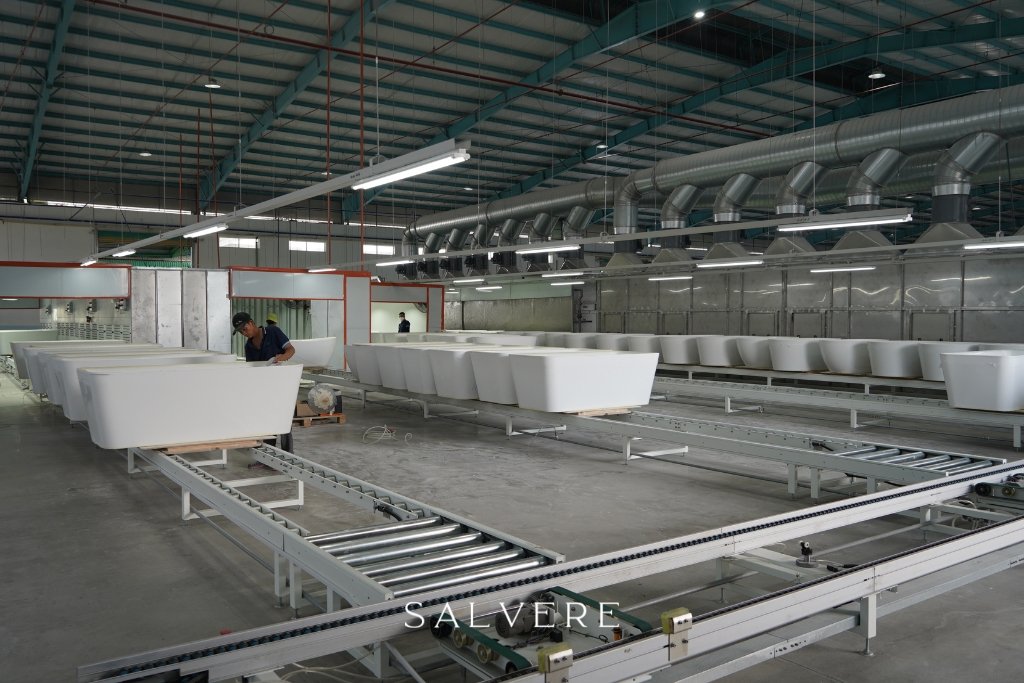
- Modern Manufacturing Infrastructure: Over the past decade, Vietnam has invested heavily in modernizing its manufacturing infrastructure. Our factory in Ho Chi Minh City, for example, is equipped with intelligent automation and high-precision systems. This ensures stable quality and consistent output, even with a newer workforce. We bring nearly two decades of manufacturing expertise from FRANK Group to Vietnam, ensuring our quality management system is rigorous and uncompromised.
- Skilled Workforce Development: The Vietnamese workforce is increasingly skilled and adaptable. There is a strong government focus on vocational training and education. This ensures a growing pool of talent capable of operating advanced machinery and adhering to strict quality control protocols. Our own team undergoes extensive training to maintain the high standards our clients expect.
- Insight: Many clients I speak with initially believe that any move from a traditional manufacturing hub means sacrificing quality. But I often tell them, "The real game-changer is not just about cheaper labor, but about smart investment in technology and processes." At Salvere, we have replicated the proven manufacturing expertise and strict quality management systems of FRANK Group in Vietnam. This means U.S. brands get the best of both worlds: cost-efficiency coupled with the consistent, high-quality production they demand. This approach actively busts the myth that lower costs imply lower quality, showing that strategic manufacturing shifts can deliver both.
This combination of cost advantages and a commitment to quality makes Vietnam an attractive option for U.S. brands looking to optimize their production budgets.
Tariff Advantages and Trade Agreements?
Are you struggling with rising import duties and trade uncertainties? Tariffs can significantly impact your product pricing. I know that leveraging strategic trade agreements can give your brand a critical competitive edge.
U.S. brands benefit from significant tariff advantages when manufacturing acrylic bathtubs in Vietnam, thanks to various Free Trade Agreements (FTAs) Vietnam has with major markets. These agreements often reduce or eliminate import duties into the U.S., Europe, and Australia. This enables brands to offer more competitive pricing to consumers and enhance their profitability, while also reducing exposure to trade policy volatility.
Navigating international trade policy is complex. Tariffs can add substantial, often unpredictable, costs to your products. My experience shows that smart brands are actively seeking manufacturing locations that offer favorable trade conditions.
- Free Trade Agreements (FTAs): Vietnam is a signatory to numerous FTAs, including the CPTPP (Comprehensive and Progressive Agreement for Trans-Pacific Partnership) and a bilateral trade agreement with the U.S. These agreements reduce or eliminate tariffs on goods exported from Vietnam to major consumer markets, including the United States, Canada, Europe, and Australia. This is a direct financial benefit for U.S. brands importing from Vietnam.
- Reduced Import Duties for U.S. Market: For U.S. brands, the ability to import finished goods like acrylic bathtubs from Vietnam with lower or no tariffs directly impacts their bottom line. It allows them to price their products more competitively in the U.S. market or achieve higher profit margins. This is a clear advantage over sourcing from countries facing higher import duties.
- Stability in Trade Policy: By manufacturing in Vietnam, brands gain a degree of stability and predictability in their import costs. This helps mitigate the risks associated with sudden tariff changes or trade disputes that can arise with other manufacturing countries. It provides a more secure long-term sourcing strategy.
- Global Market Access: The network of FTAs also provides an advantage for U.S. brands looking to distribute their products globally. Manufacturing in Vietnam can facilitate easier and more cost-effective access to other international markets, making it a strategic hub for global operations.
- Insight: Many clients believe that the tariff difference between China and Vietnam is shrinking, making the need for diversification seem less urgent. However, I always emphasize that "not putting all your eggs in one basket" remains sound advice. We cannot predict future trade wars or tariff escalations. Forward-thinking brands, especially well-known U.S. sanitary ware companies, always plan ahead. They do not concentrate risk in one country. Instead, they develop unique supply chains by analyzing the strengths and weaknesses of different regions. This helps them manage tariff risks, avoid supplier monopolies, and stay resilient. Vietnam, with its favorable geography and competitive labor costs, has become a key part of this strategy. Salvere's move to Vietnam directly supports this foresight, offering our partners a proactive solution to potential future challenges.
Leveraging Vietnam's trade advantages is a strategic move that helps U.S. brands enhance their financial performance and market reach.
Supply Chain Diversification and Risk Mitigation?
Are you worried about relying too heavily on one country for your manufacturing needs? Global events can cause major disruptions. I know that diversification is key to building a resilient and stable supply chain.
U.S. brands choose Vietnam for acrylic bathtub manufacturing to achieve critical supply chain diversification and mitigate risks. This strategy avoids over-reliance on a single country, safeguarding against geopolitical instability, trade disputes, and natural disasters. By establishing a manufacturing presence in Vietnam, brands build a robust, resilient supply chain that ensures continuous product availability and protects against unforeseen global disruptions, securing their market position.
The past few years have highlighted the fragility of global supply chains. Brands that relied on single-source manufacturing often faced severe disruptions. My focus at Salvere is to provide solutions that protect our partners from these vulnerabilities.
- Avoiding Single-Country Over-reliance: Geopolitical tensions, trade wars, and regional lockdowns have all demonstrated the danger of having all manufacturing eggs in one basket. By establishing production in Vietnam, U.S. brands can reduce their dependence on any single country, particularly China, which has been the dominant manufacturing hub for decades. This "China+1" strategy is about creating a parallel production capability.
- Mitigation of Geopolitical and Trade Risks: A diversified supply chain in Vietnam helps insulate U.S. brands from the impact of escalating trade disputes or political instability in other regions. If one manufacturing location faces export restrictions or tariff hikes, the alternative location in Vietnam can pick up the slack, ensuring uninterrupted supply. This foresight is what separates market leaders from those constantly reacting to crises.
- Protection Against Natural Disasters and Localized Events: Natural disasters, pandemics, or even localized labor disputes can bring production to a halt. By having manufacturing operations in geographically distinct regions, brands can minimize the overall impact of such events. If one factory is affected, production can be ramped up at another, ensuring business continuity.
- Enhanced Supply Chain Resilience: The ultimate goal of diversification is to build a more resilient supply chain. This means a supply chain that can absorb shocks, adapt quickly to changes, and continue to deliver products to the market without significant delays or cost increases. Vietnam offers a stable and growing manufacturing environment that contributes significantly to this resilience.
- Insight: I often observe that many U.S. bathroom brands have truly forward-thinking mindsets. They understand the critical importance of not concentrating risk within a single country or a handful of suppliers. Instead, they strategically analyze the strengths and weaknesses of supply chains across various global regions. This approach allows them to develop unique product supply chains that effectively counter tariff risks, mitigate supplier monopolies, and navigate other unforeseen challenges. Vietnam, with its advantageous geography and competitive labor costs, has naturally emerged as a key focus area for these brands. Our presence in Vietnam is specifically designed to support this proactive, risk-averse strategy for our partners.
This strategic move to Vietnam is a proactive step that U.S. brands are taking to future-proof their operations against an unpredictable global environment.
OEM/ODM Capabilities Tailored to U.S. Market Needs?
Are you looking for a manufacturing partner that truly understands your brand's specific requirements? Generic solutions often fall short. I know that OEM/ODM partners in Vietnam are increasingly specializing in meeting unique U.S. market demands.
OEM/ODM manufacturers in Vietnam are increasingly offering specialized capabilities tailored to U.S. market needs, including adherence to specific compliance standards, material requirements, and design preferences. These partners, like Salvere, provide flexible customization, efficient prototyping, and integrated supply chain management. This ensures that U.S. brands can develop and produce acrylic bathtubs that perfectly align with their brand identity and meet the high expectations of American consumers, from quality to functionality.
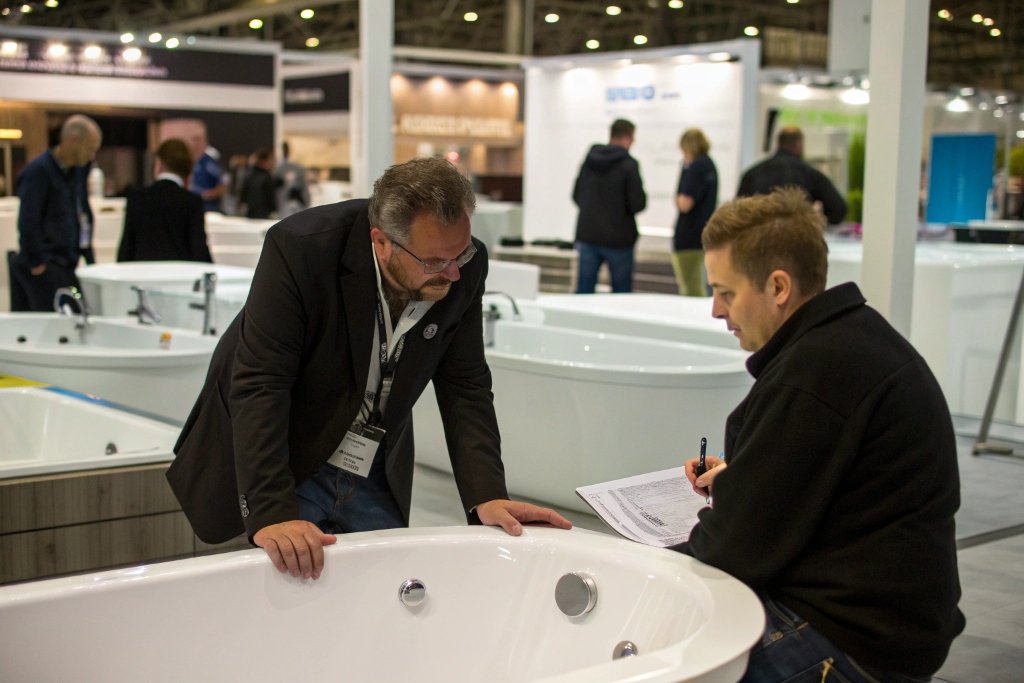
The strength of a manufacturing partnership lies in its ability to understand and meet specific market demands. For U.S. brands, this means adherence to particular standards, consumer expectations, and aesthetic preferences.
- Compliance with U.S. Standards: U.S. markets have strict compliance standards for sanitary ware, including certifications for materials, plumbing, and safety. Reputable OEM/ODM manufacturers in Vietnam are well-versed in these requirements. At Salvere, for example, we deliver flexible, customized solutions that meet the compliance standards of North America, Europe, and Australia. This includes using virgin PMMA acrylic sheets for superior quality and durability.
- Understanding Design and Aesthetic Preferences: The U.S. market often has distinct design trends and aesthetic preferences. OEM/ODM partners in Vietnam are increasingly developing the expertise to translate these preferences into their products. This means understanding everything from specific bathtub styles (like freestanding or alcove) to preferred finishes, ergonomics, and accessory integration.
- Customization and Flexibility: U.S. brands often require unique designs, specific dimensions, or integrated features to differentiate their products. Flexible OEM/ODM capabilities mean partners can accommodate these requests. This includes creating custom molds, integrating specific technologies (like air jets or chromotherapy), and offering various color and finish options. Our dedicated factory for acrylic bathtubs, with its 14 standardized production processes, allows for this kind of precise customization.
- Integrated Supply Chain Solutions: Beyond just manufacturing, leading OEM/ODM partners offer end-to-end supply chain support. This includes material sourcing, quality control at every stage, efficient logistics, and packaging tailored for the U.S. market. This integrated approach simplifies the process for U.S. brands, making it easier to manage their production from concept to delivery.
- Quality Control and Inspection: Our factory, purpose-built for acrylic bathtubs, integrates rigorous inspection and packaging protocols. Backed by FRANK Group’s proven manufacturing expertise and strict quality management system, we ensure that every product meets the high-quality expectations of our international partners. We don’t aim to produce everything; we focus on doing one thing exceptionally well: trusted acrylic bathtub manufacturing.
This tailored approach ensures that U.S. brands can confidently source products from Vietnam that not only meet their specifications but also resonate strongly with their target consumers.
Reliable Lead Times and Streamlined Production?
Are you frustrated by unpredictable delivery schedules and inefficient production processes? Long, uncertain lead times can damage your business. I know that optimized production in Vietnam offers much-needed reliability.
U.S. brands benefit from reliable lead times and streamlined production when manufacturing acrylic bathtubs in Vietnam, due to dedicated facilities, efficient processes, and a stable workforce. Manufacturers leverage intelligent automation and integrated production lines, ensuring consistent output and on-time delivery. This operational efficiency minimizes delays, improves inventory management, and strengthens market responsiveness, providing a predictable and trustworthy supply chain.
Predictability in production and delivery is crucial for any brand. Unreliable lead times can lead to stockouts, missed sales, and damaged customer trust. My work at Salvere focuses on creating highly efficient and dependable manufacturing processes.
- Dedicated Facilities and Specialization: Manufacturers in Vietnam are increasingly specializing, which leads to greater efficiency. Our 21,000-square-meter facility in Ho Chi Minh City is purpose-built for one single category—acrylic bathtubs. This specialization allows us to optimize every process, from thermoforming and trimming to assembly, inspection, and packaging. This focus ensures higher quality and faster, more consistent output.
- Intelligent Automation and High-Precision Systems: Investing in modern technology is key to streamlined production. Our factory is equipped with intelligent automation and high-precision systems. These technologies minimize human error, speed up production cycles, and ensure consistent product quality across large-scale production. This means fewer defects and a more reliable product flow.
- Integrated Production Processes: We integrate 14 standardized production processes under one roof. This end-to-end control reduces bottlenecks and delays that often occur when multiple stages of production are outsourced or fragmented. From raw material input to final packaging, every step is managed to maximize efficiency and maintain a smooth workflow.
- Stable and Trained Workforce: A stable and well-trained workforce is essential for consistent lead times. The growing pool of skilled labor in Vietnam contributes to reliable production. Our team is rigorously trained in each of the 14 processes, ensuring expertise and efficiency at every stage. This focus on human capital complements our technological investments.
- Improved Logistics and Shipping: With streamlined internal production, the focus then shifts to efficient external logistics. Vietnam's growing port infrastructure and strategic location for shipping to the U.S. contribute to reliable transit times. Manufacturers work with established logistics partners to ensure timely delivery of finished goods.
This combination of specialized facilities, advanced technology, and integrated processes ensures that U.S. brands receive their acrylic bathtubs from Vietnam on schedule and to the highest quality standards.
Conclusion
U.S. brands are choosing Vietnam for acrylic bathtub manufacturing to achieve cost savings, leverage tariff advantages, diversify supply chains, utilize tailored OEM/ODM capabilities, and ensure reliable lead times. This strategic move builds resilience and strengthens their market position.
👉 Learn more about Salvere Acrylic Bathtub Products
and how we manufacture acrylic bathtubs in Vietnam.


