
Choosing a bathtub for your bathroom can feel overwhelming with so many options available. I know this from years of experience at Salvere, an OEM/ODM acrylic bathtub manufacturer, where I help people select the perfect tub for their specific needs, whether for a cozy home or a grand hotel. This guide will walk you through the essential steps to make an informed decision.
To choose the right bathtub for your bathroom, start by meticulously assessing your available space, including dimensions and plumbing, to determine feasible installation types like alcove, freestanding, or drop-in. Next, consider your personal bathing preferences, focusing on desired depth, ergonomic comfort, and any functional add-ons like jets or heaters. Evaluate materials such as acrylic, cast iron, or solid surface based on durability, heat retention, and maintenance. Finally, ensure the chosen style complements your bathroom's aesthetic and research reputable suppliers for long-term satisfaction. These steps will guide you to a well-suited and enduring bathing solution.
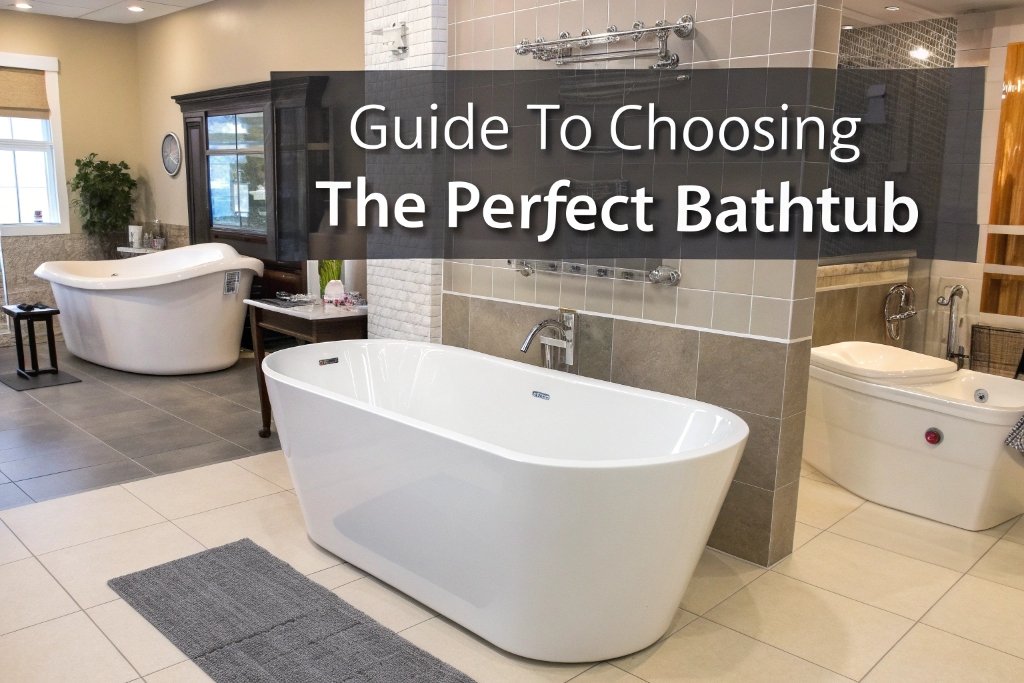
Let's break down how to choose the right bathtub for your unique bathroom.
Assessing Your Space: Size, Layout, and Installation Requirements?
Start with the facts: your bathroom's reality.
Assessing your bathroom's space—including its precise size, existing layout, and critical installation requirements—is the foundational first step in choosing the right bathtub. You must accurately measure the available floor area, accounting for doorways, windows, and other fixtures, to determine feasible bathtub dimensions and placement. Review your current plumbing for drain and water supply locations, which dictates whether an alcove, freestanding, or drop-in tub is most practical without major renovations. Consider the bathroom's structural capacity for heavier tubs and accessibility for delivery. This thorough assessment prevents costly installation surprises and ensures the chosen tub fits physically and logistically within your existing space, avoiding design regrets later.
Before you even dream about designs, you need to understand the practical limits and possibilities of your bathroom.
- Measure Everything Precisely:
- Available Footprint: Measure the length and width of the area where you envision the tub.
- Clearance: Account for space around the tub for walking, cleaning, and opening doors/drawers. Standard recommendations are 21-30 inches of clear space in front of the tub.
- Height: Note window heights, showerheads (if applicable), and ceiling height.
- Doorways/Hallways: Measure the width and height of all entry points the tub will pass through. This is a common oversight!
- Evaluate Your Bathroom Layout:
- Existing Walls: Do you have a three-wall alcove already (common for most standard bathrooms)? This typically guides you towards an alcove tub.
- Open Space: If you have a larger bathroom with more open floor space, a freestanding tub might be an option.
- Corners: Some layouts benefit from corner tubs to maximize space.
- Check Installation Requirements:
- Plumbing:
- Drain Location: Where is your current drain? Does it match the drain location of your desired tub (center, left, right)?
- Faucet: Is your faucet wall-mounted (common for alcove tubs) or do you need floor-mounted (for freestanding) or deck-mounted (for drop-in/some freestanding)?
- Weight Support: Very heavy tubs (like cast iron or large solid surface) might require floor reinforcement, especially in older homes or on upper floors. Acrylic tubs are significantly lighter.
- Ventilation: Ensure you have adequate ventilation (an exhaust fan) to prevent moisture build-up, especially if you're installing a shower/tub combo.
- Plumbing:
Your bathroom's physical constraints dictate the initial range of your choices.
Understanding Different Bathtub Types and Their Benefits?
Each type tells a different story.
Understanding the different bathtub types—alcove, freestanding, drop-in, and corner—and their specific benefits is crucial for matching the tub to your bathroom’s layout and aesthetic goals. Alcove tubs are space-efficient, cost-effective, and ideal for shower/tub combinations in smaller bathrooms, fitting snugly into a three-wall recess. Freestanding tubs offer a luxurious focal point, flexible placement, and a high-end aesthetic, best suited for larger spaces. Drop-in tubs provide versatile design integration into custom surrounds and can feature expansive decks, perfect for tailored luxury. Corner tubs optimize awkward layouts. Each type offers distinct advantages in terms of installation, visual impact, and space utilization, directly influencing the overall bathroom design and functionality to create your desired bathing environment.
Bathtubs come in several main types, each with unique advantages that suit different bathroom layouts and design preferences.
- Alcove Tubs:
- Description: The most common type, designed to fit into a three-wall recess. One side (the apron) is finished, while the other three are tiled or surrounded. Often used as a shower/tub combination.
- Benefits: Space-efficient, cost-effective, easy to clean the surrounding walls, often come in standard sizes (e.g., 60x30 inches).
- Best for: Smaller bathrooms, budget-conscious renovations, practicality, and family bathrooms.
- Freestanding Tubs:
- Description: These tubs stand alone on the bathroom floor, not attached to any walls. They are finished on all sides and come in various styles, from classic clawfoot to modern pedestal designs.
- Benefits: Visually stunning focal point, luxurious aesthetic, flexible placement (can be in the middle of the room), creates a spa-like ambiance.
- Best for: Larger bathrooms, high-end designs, creating a dramatic statement.
- Drop-In Tubs:
- Description: These are essentially the tub shell, designed to be "dropped into" a custom-built deck or platform. The surround can be tiled, stone, wood, or solid surface.
- Benefits: Highly customizable surround, integrated look, can incorporate storage or seating into the deck, versatile placement (alcove, corner, peninsula).
- Best for: Medium to large bathrooms, custom designs, creating a built-in, luxurious feel.
- Corner Tubs:
- Description: Designed to fit into a corner, often triangular or pentagonal in shape, maximizing space in awkward layouts.
- Benefits: Space-saving for specific layouts, can offer a spacious soaking area, sometimes includes built-in seating.
- Best for: Bathrooms where a traditional rectangle doesn't fit well, or for maximizing a corner space.
Consider how each type integrates with your space and lifestyle.
Matching the Tub Style with Your Bathroom Aesthetic?
Harmony in design, personal touch.
Matching the bathtub style with your bathroom's overall aesthetic is crucial for creating a cohesive and visually pleasing space that reflects your personal taste. For modern bathrooms, minimalist freestanding tubs with sleek lines and geometric forms, or integrated drop-in tubs with clean-tiled surrounds, are ideal. Traditional aesthetics often pair well with classic clawfoot freestanding tubs or alcove tubs featuring decorative tilework. Farmhouse designs might favor a more rustic roll-top freestanding tub. The tub should complement your existing fixtures, tile, and vanity to ensure a unified look. Paying attention to material finishes, colors, and the tub's overall silhouette will transform your bathroom from merely functional to a truly designed and harmonious retreat. Your tub choice significantly influences the entire room’s atmosphere.
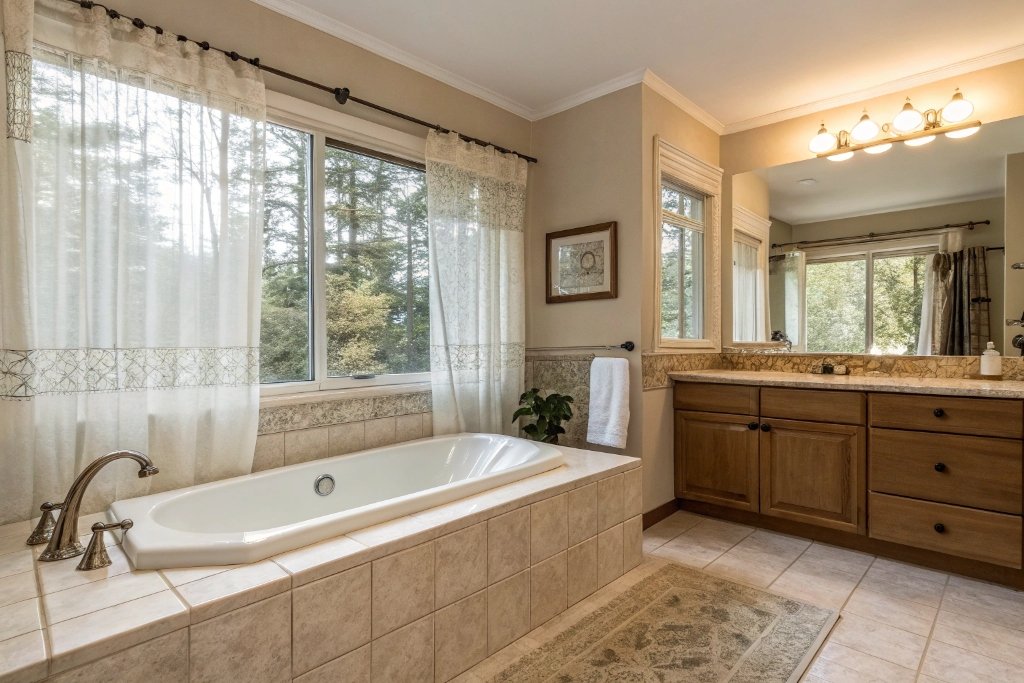
Your bathtub should be an extension of your bathroom's overall design theme, not an afterthought.
- Modern/Contemporary Aesthetic:
- Tub Style: Freestanding tubs with clean lines, minimalist designs, and often a sleek pedestal base. Drop-in tubs with simple, geometric tile surrounds.
- Features: Often focuses on white or matte black finishes, integrated overflow drains, and perhaps air jets for a gentle, luxurious feel.
- Traditional/Classic Aesthetic:
- Tub Style: Clawfoot freestanding tubs (often with intricate feet), roll-top freestanding tubs, or alcove tubs with classic tile surrounds (e.g., subway tile).
- Features: Emphasizes ornate faucets, perhaps warmer tones, and a more timeless, comforting look.
- Farmhouse/Rustic Aesthetic:
- Tub Style: Often a rustic roll-top freestanding tub, sometimes with a more weathered or textured finish. Alcove tubs with wooden surrounds or shiplap.
- Features: Focus on natural materials, comfort, and a slightly less polished look.
- Spa-like/Minimalist Aesthetic:
- Tub Style: Deep soaking tubs, often freestanding or drop-in, with very simple, unadorned designs.
- Features: Emphasizes ergonomics, quiet operation, possibly an in-line heater for extended soaks, and soft lighting.
- Color and Finish:
- Consider how the tub's color (most often white, but increasingly grays and blacks) and finish (glossy or matte) integrate with your existing tiles, vanity, and hardware.
- Insight: I always tell clients to visualize the entire room. If you have a very modern, angular vanity and light fixtures, a highly ornate clawfoot tub might look out of place. Conversely, a sleek, minimalist tub in a highly traditional bathroom can feel cold. Aim for visual continuity.
Your bathtub is a key design element, so ensure it enhances and completes your bathroom's narrative.
Material Matters: Acrylic vs. Cast Iron vs. Solid Surface?
Durability, warmth, and feel.
When selecting a bathtub, the material matters profoundly, directly influencing its durability, heat retention, weight, maintenance, and overall tactile feel. High-grade acrylic offers an excellent balance: it is lightweight, warm to the touch, boasts good heat retention, and is highly repairable, making it versatile for various designs and a cost-effective long-term choice. Cast iron provides superior durability and heat retention but is extremely heavy and expensive, with difficult-to-repair enamel chips. Solid surface materials offer a luxurious, seamless aesthetic and reparability but are also heavy and costly. Your choice should align with your budget, aesthetic preferences, and practical considerations for installation and long-term upkeep. As an OEM/ODM acrylic manufacturer, I consistently see acrylic chosen for its optimal blend of performance, value, and design flexibility.
The material of your bathtub impacts everything from how it feels to how long it lasts and how much it costs.
- Acrylic (PMMA):
- Pros:
- Lightweight: Easy to install, often requires no floor reinforcement.
- Warm to Touch: Pleasant feel even before water is added.
- Good Heat Retention: Keeps water warmer for longer.
- Versatile Design: Can be thermoformed into many shapes, including ergonomic interiors and thin rims.
- Repairable: Scratches and minor damage can often be buffed out.
- Cost-Effective: Offers great value.
- Cons: Can be perceived as less "premium" than cast iron by some, though modern high-grade acrylics have greatly improved.
- Pros:
- Cast Iron:
- Pros:
- Extremely Durable: Very robust and long-lasting.
- Excellent Heat Retention: Keeps water hot for a very long time.
- Classic Aesthetic: A traditional, high-end look.
- Cons:
- Very Heavy: Often requires floor reinforcement and specialized installation.
- Expensive: Higher upfront cost.
- Chipping Risk: Enamel can chip, which is difficult and costly to repair.
- Cold to Touch: Initially feels cold until water warms it.
- Pros:
- Solid Surface (e.g., Corian, Swanstone, other resin/mineral blends):
- Pros:
- Seamless Aesthetic: Often creates a very sleek, high-end, monolithic look.
- Repairable: Scratches and minor damage can be sanded out.
- Design Flexibility: Can be molded into various shapes.
- Cons:
- Heavy: Similar to cast iron, can require floor reinforcement.
- Expensive: High upfront cost.
- Can Scratch: Susceptible to scratching, though usually repairable.
- Can Discolor: Vulnerable to high heat or certain chemicals.
- Pros:
- Steel Enamel:
- Pros: More durable than fiberglass, good heat retention, generally more affordable than cast iron.
- Cons: Can chip (and rust if chipped), noisy when filling, can be cold to touch.
Weigh these materials against your budget, desired feel, and practical installation concerns.
Functional Features to Consider: Depth, Comfort, and Add-ons?
Beyond the basic soak.
When choosing a bathtub, you must meticulously consider functional features like depth, ergonomic comfort, and various add-ons to truly customize your bathing experience. Bathtub depth, specifically the water depth to the overflow, is paramount for full body immersion and genuine relaxation, with deeper tubs being ideal for luxurious soaking. Ergonomic design, including sculpted lumbar support and integrated armrests, directly enhances comfort by reducing pressure points. Furthermore, consider practical add-ons such as in-line heaters for extended warm soaks, invigorating whirlpool jets for targeted massage, or gentler air jets for a full-body effervescent experience. Each feature contributes significantly to the overall enjoyment and therapeutic benefits of your tub. Prioritizing these elements ensures your chosen bathtub functions as a personal sanctuary, tailored to your relaxation needs.
Once you've narrowed down the type and material, it's time to think about how you'll actually use the tub.
- Bathtub Depth and Soaking Comfort:
- Water Depth to Overflow: This is the most crucial measure for soaking. A standard tub might have 14-16 inches (36-41 cm), while a deep soaker or Japanese-style tub can have 18-24+ inches (46-61+ cm).
- Why it Matters: Deeper tubs allow for fuller body immersion, covering your shoulders and upper torso for a truly relaxing soak. This is key for stress relief and muscle relaxation.
- Ergonomics:
- Backrest Angle: Look for tubs with comfortable, supportive backrests. Some tubs feature sculpted lumbar support to minimize strain.
- Armrests/Headrests: Integrated or optional features that enhance comfort during long soaks.
- Internal Dimensions: Ensure there's enough room for you to stretch out or sit comfortably without feeling cramped.
- Add-on Features:
- In-Line Heater: Keeps the bathwater at a consistent temperature, allowing for extended soaks without the water getting cold. Essential if you love long baths.
- Whirlpool Jets (Hydrotherapy): Uses water jets for a powerful, targeted massage. Great for muscle aches and vigorous therapy.
- Air Jets (Air Bubble Massage): Releases thousands of gentle air bubbles for a softer, effervescent, full-body massage. Quieter and often more hygienic than whirlpools.
- Chromotherapy: Integrated LED lights that change color, creating a mood-enhancing, spa-like atmosphere.
- Bluetooth Audio: Built-in speakers for music or podcasts.
Prioritize features that genuinely enhance your personal bathing experience.
Long-Term Maintenance and Supplier Selection Tips?
Quality today, peace of mind tomorrow.
Ensuring long-term satisfaction with your bathtub choice hinges on understanding its maintenance requirements and meticulously selecting a reputable supplier. Opt for materials like high-grade acrylic, which are non-porous and resistant to stains and common cleaning agents, simplifying daily upkeep and preserving its pristine appearance. Critically, assess a supplier's reputation for manufacturing quality, adherence to international standards, warranty coverage, and reliable customer service. Look for suppliers with a proven track record, especially those, like Salvere, specializing in OEM/ODM, who demonstrate expertise in material science and production consistency. A dependable supplier ensures not only a high-quality product but also accessible support for any future needs or replacements, safeguarding your investment and providing enduring peace of mind.
Your bathtub is a long-term investment, so consider how it will perform over time and who stands behind it.
- Maintenance and Cleaning:
- Ease of Cleaning: Non-porous materials like acrylic, solid surface, and enamel are generally easy to clean and resist stains and mildew.
- Chemical Resistance: Ensure the material can withstand common bathroom cleaners without dulling or degrading.
- Repairability: Acrylic and solid surface are highly repairable for scratches and chips. Cast iron enamel is much harder to fix.
- Jets Maintenance: If you choose a jetted tub, understand the cleaning cycles required to prevent mildew and ensure hygiene.
- Warranty and Support:
- Check the Warranty: A good bathtub should come with a substantial warranty (e.g., 5-10 years or more) covering the shell and components. Understand what it covers and for how long.
- Availability of Parts: If you choose a jetted tub, confirm that replacement parts for pumps, blowers, or jets are readily available.
- Supplier Selection Tips:
- Reputation and Specialization: Choose suppliers with a strong reputation for quality. For instance, Salvere specializes exclusively in high-grade acrylic bathtubs, meaning our expertise is focused and deep.
- Certifications: Look for certifications (e.g., IAPMO, cUPC for North America, CE for Europe) that indicate the product meets safety and performance standards.
- Customer Service: A reliable supplier will have responsive customer service to assist with questions, installation issues, or warranty claims.
- Material Quality: For acrylic, inquire about the thickness of the acrylic sheet and the type of fiberglass reinforcement used. Not all acrylic is created equal.
Investing a little time in research now will save you a lot of headaches and money down the road.
👉 Learn more about Salvere Acrylic Bathtub Products
and how we manufacture acrylic bathtubs in Vietnam.


