
Throughout my extensive career at Salvere, an OEM/ODM acrylic bathtub manufacturer, I've witnessed firsthand the challenges global brands and individual customers face when selecting a bathtub. It's more than just picking a design; it's about making informed decisions that impact comfort, functionality, and long-term satisfaction. This guide addresses the eight most crucial questions I hear constantly, providing insights to help you navigate the complexities and confidently choose the perfect bathtub.
Choosing the right bathtub requires carefully answering eight critical questions: determining the necessary size for both space and user comfort, selecting the optimal material based on durability and warmth, understanding the distinct installation types—freestanding, alcove, and drop-in—to match your bathroom layout, and evaluating the importance of depth and advanced features like jets or heaters. You must also consider how the tub integrates with your bathroom's design, assess installation requirements like plumbing and support, and decide if a standard model or a customized OEM/ODM solution best fits your specific needs and budget. These considerations ensure a balanced choice that delivers comfort, functionality, and aesthetic appeal.
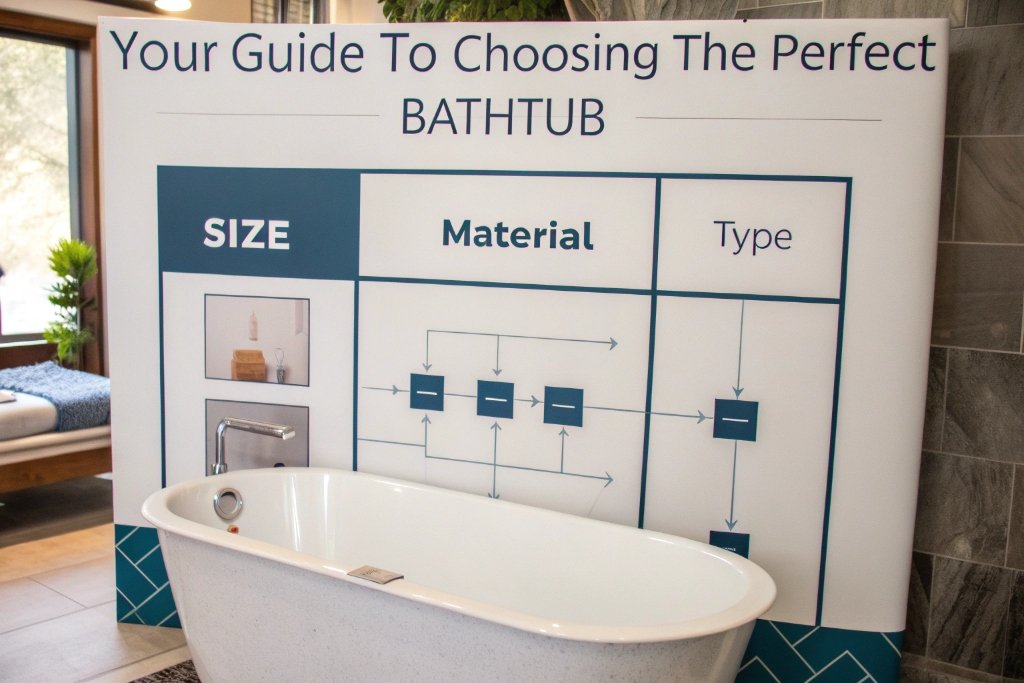
Let's dive into the essential questions you need to ask when choosing a bathtub.
What Size Bathtub Do You Really Need?
It's about both space and soak.
To determine the right bathtub size, you must balance available bathroom space with the intended user's comfort and desired bathing experience. Start by precisely measuring your bathroom dimensions and identifying potential spots, noting clearances needed for other fixtures and pathways. Then, consider the primary users' heights and body types to ensure adequate internal length and width for comfortable soaking. Standard lengths range from 54 to 72 inches (137-183 cm) and widths from 30 to 32 inches (76-81 cm), but prioritizing the internal soaking dimensions—where your body actually rests—is crucial. Answering this question prevents a cramped bathing experience or an oversized tub that overwhelms the room, while supporting proper installation, and ultimately ensures the tub serves its purpose as a comfortable and well-integrated fixture.
Selecting the right bathtub size is not just about fitting it into your bathroom; it's about fitting you into the tub comfortably.
- Measure Your Bathroom Space:
- Length, Width, Height: Map out the area where the tub will go. Note any obstructions like windows, doors, or existing plumbing.
- Clearance: Remember to account for space around the tub for walking, cleaning, and accessing other fixtures (recommended 21-30 inches).
- Consider the Primary Users:
- Height: If you are tall (over 6 feet), a standard 60-inch (152 cm) tub might feel too short, forcing you to bend your knees uncomfortably. Look for 66-inch (168 cm) or 72-inch (183 cm) options.
- Body Type (Width): For broader shoulders, prioritize internal soaking width. While external width might be 30-32 inches (76-81 cm), look for models that maximize internal shoulder room through thinner rims or straight internal walls.
- Desired Soaking Experience:
- Deep Soaker: If you love a full body soak, you'll want to prioritize depth (e.g., 20+ inches / 51+ cm).
- Shower/Combo: If it's primarily a shower with occasional baths, a standard length/depth might be fine.
- Common Bathtub Sizes:
- Length: 60 inches (152 cm) is the most common. 54 inches (137 cm) for compact, 66 inches (168 cm) and 72 inches (183 cm) for larger.
- Width: 30 or 32 inches (76 or 81 cm) are standard for alcove. Freestanding tubs can range from 28 to 36+ inches (71 to 91+ cm).
- Depth (to overflow): 14-16 inches (36-41 cm) for standard, 18-24+ inches (46-61+ cm) for deep soakers.
Start with your space, then consider your body and desired experience to pinpoint the ideal dimensions.
Which Bathtub Material Is Best for Your Needs?
Durability, heat retention, and aesthetics.
The best bathtub material for your needs hinges on a balance of durability, heat retention, maintenance, weight, and aesthetic preference. Acrylic is an excellent choice for its lightweight nature, versatility in design, good heat retention, and ease of repair, making it highly preferred for modern builds and OEM/ODM flexibility. Cast iron offers exceptional durability, heat retention, and a classic look but is very heavy and expensive. Fiberglass is economical but less durable. Cultured marble provides a high-end appearance but is heavier than acrylic. Brands must evaluate each material’s pros and cons against their target market’s priorities for longevity, comfort, and budget. For instance, at Salvere, we focus exclusively on acrylic for its optimal blend of manufacturability, consumer appeal, and cost-effectiveness.
The material of your bathtub affects everything from its weight and heat retention to its cost and durability.
- Acrylic:
- Pros: Lightweight, wide range of shapes/sizes, good heat retention, smooth non-porous surface (easy to clean), repairable scratches, affordable. Ideal for OEM/ODM customization.
- Cons: Can scratch more easily than cast iron (though often repairable), can flex if not properly installed with a solid base.
- Insight: We specialize entirely in acrylic at Salvere for a reason. Its thermoforming capabilities allow for incredible design flexibility, from sleek modern lines to complex ergonomic interiors, all while maintaining excellent quality and heat retention. This versatility is key for our global brand partners.
- Cast Iron:
- Pros: Extremely durable, excellent heat retention, classic high-end look, very heavy and stable.
- Cons: Very heavy (may require floor reinforcement), expensive, limited shapes, enamel can chip (difficult to repair), long installation time.
- Fiberglass (Fiberglass Reinforced Plastic or FRP):
- Pros: Very lightweight, inexpensive, easy to install.
- Cons: Less durable (prone to scratching, cracking, color fading), poor heat retention, feels flimsier than other materials.
- Cultured Marble:
- Pros: Luxurious appearance, seamless look, good heat retention.
- Cons: Heavier than acrylic, can be pricey, can scratch or chip.
- Steel Enamel:
- Pros: Durable, good heat retention, classic look (similar to cast iron but lighter), cost-effective.
- Cons: Can chip (difficult to repair), can transmit noise loudly if not insulated.
Consider your budget, desired aesthetics, and how long you expect your tub to last when making this important decision.
What’s the Difference Between Freestanding, Alcove, and Drop-In Tubs?
Installation and style dictate choices.
Understanding the distinct differences between freestanding, alcove, and drop-in bathtubs is crucial for matching the tub to your bathroom's layout, aesthetic, and installation capabilities. A freestanding tub stands independently, making it a dramatic focal point, highly flexible in placement, and ideal for larger bathrooms but often requiring specific plumbing. An alcove tub is designed to fit snugly into a three-wall recess, maximizing space efficiency and serving as a practical shower/tub combo, making it the most common and space-saving option. A drop-in tub is placed into a custom-built deck or platform, offering versatile design integration and often a luxurious look, fitting into various layouts. Each type has unique installation requirements, visual impact, and space utilization, directly influencing the overall bathroom design and functionality.
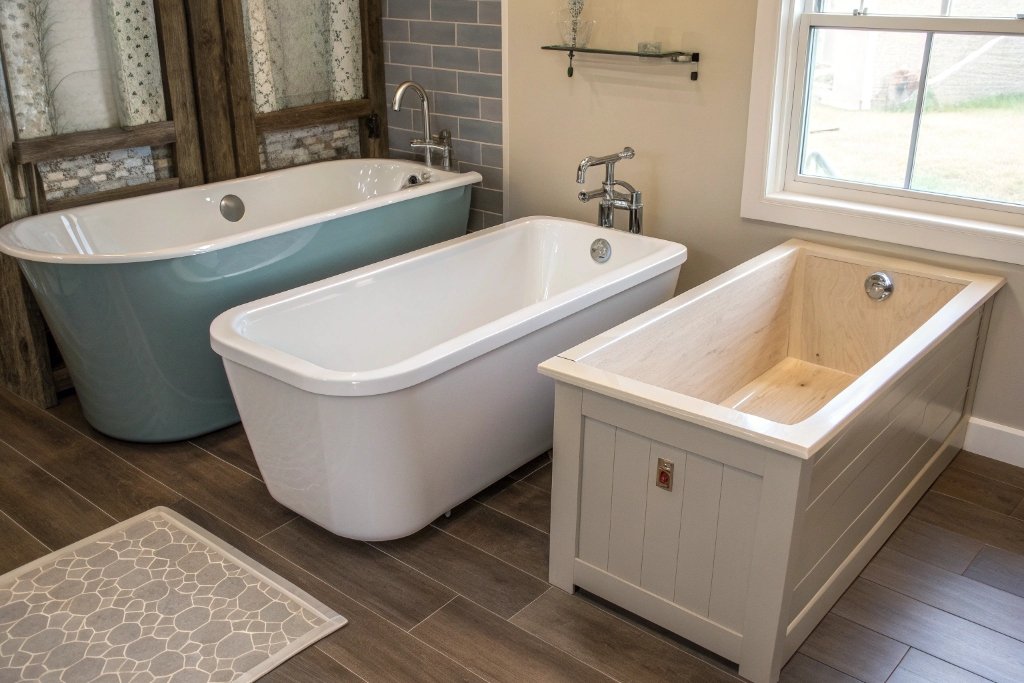
Bathtubs come in various installation styles, each with its own look and functional requirements.
- Freestanding Tubs:
- Description: These tubs stand alone in the bathroom, not attached to any walls. They often have decorative feet (clawfoot) or a solid base.
- Pros: Striking focal point, luxurious aesthetic, flexible placement (can be in the middle of the room).
- Cons: Requires more floor space, plumbing needs to come from the floor (or through the tub's exterior), heavier (often requires floor reinforcement for cast iron), can be harder to clean around.
- Best for: Larger bathrooms, high-end designs, creating a spa-like feel.
- Alcove Tubs:
- Description: The most common type, designed to fit into a three-wall recess. They have an unfinished side for the wall and a finished apron (front skirt).
- Pros: Space-efficient, cost-effective, ideal for shower/tub combinations, easy to install, common in standard sizes.
- Cons: Limited design flexibility, generally less luxurious aesthetic.
- Best for: Smaller bathrooms, budget-conscious projects, practical daily use.
- Drop-In Tubs:
- Description: These tubs are essentially the shell of a tub (no finished apron) that drops into a custom-built deck or platform.
- Pros: Highly customizable surround (tile, stone, wood), integrated look, can incorporate storage or seating into the deck, versatile placement (alcove, corner, peninsula).
- Cons: Requires custom framing and finishing for the deck, can be more expensive due to carpentry/tiling, challenging to access plumbing.
- Best for: Medium to large bathrooms, custom designs, creating a built-in, luxurious look.
For OEM/ODM partners, alcove tubs are often about efficiency and consistency, while freestanding and drop-in shells allow for greater design freedom and can cater to higher-end, customizable projects. Each type serves a distinct market need.
Your choice of tub type will define the look and practicality of your entire bathroom.
How Important Is Bathtub Depth and Soaking Comfort?
A deep dive into relaxation.
Bathtub depth is critically important for soaking comfort, as it directly dictates how much of the body can be submerged for a truly relaxing and therapeutic bath. A deeper tub (typically 18+ inches/46+ cm to overflow) allows users to immerse their shoulders and upper torso fully, which is key for muscle relaxation and a spa-like experience, especially for taller individuals. Conversely, a shallower tub may leave parts of the body exposed, diminishing the soaking sensation. Brands must weigh the desire for deep soaking against practical considerations such as water usage, hot water heater capacity, and accessibility for less mobile users. At Salvere, we optimize our designs to maximize internal soaking depth for various models. The importance of depth cannot be overstated, as it fundamentally differentiates a quick wash from a luxurious retreat.
For many, the true joy of a bathtub comes from a deep, immersive soak. Depth is key to that experience.
- What "Depth" Means:
- When we talk about bathtub depth, we usually mean the water depth to the overflow drain. This is the maximum amount of water you can fill the tub with.
- External vs. Internal Depth: A tub's external depth might be 24 inches (61 cm), but the internal water depth could be 16-18 inches (41-46 cm). Always check the specification for "water depth to overflow."
- Benefits of a Deeper Tub:
- Full Body Immersion: Allows shoulders and even the neck to be fully submerged, which is essential for muscle relaxation and warmth.
- Spa-like Experience: Deeper tubs feel more luxurious and create a true soaking experience, compared to shallower models where parts of your body might be exposed to the cooler air.
- For Taller Individuals: A deeper tub can make a slightly shorter tub more comfortable for tall people, as they can sit down further into the water.
- Considerations for Deeper Tubs:
- Water Usage: A deeper tub uses more water, which impacts your water bill and the environmental footprint.
- Hot Water Heater Capacity: Ensure your hot water heater can supply enough hot water to fill a deep tub. Running out of hot water halfway through a fill is not relaxing!
- Accessibility: For those with limited mobility, a very deep tub can be harder to step into and out of. Walk-in tubs address this with a door.
- Standard vs. Deep Soakers:
- Standard: Typically 14-16 inches (36-41 cm) water depth to overflow.
- Deep Soakers/Japanese Soaking Tubs: Can be 18-24+ inches (46-61+ cm) water depth. Some are designed for sitting upright rather than reclining.
If ultimate relaxation is your goal, prioritize a deeper bathtub.
What Features Should You Consider—Jets, Heaters, or Simple Soakers?
From basic to spa-like.
When choosing a bathtub, you must carefully consider what features truly enhance your bathing experience, ranging from simple soakers to advanced jetted systems or in-line heaters. A simple soaking tub is perfect for minimalist appeal, low maintenance, and quiet relaxation, making it a cost-effective choice. Whirlpool jets deliver an intense, targeted massage ideal for muscle relief, while air jets provide a gentler, effervescent full-body massage. In-line heaters maintain water temperature, extending relaxation without needing to add more hot water. Each feature impacts cost, noise levels, maintenance, and the overall spa-like ambiance. Brands should align feature sets with their target market's preferences and budget. At Salvere, we offer customization for various jetted systems with trusted component brands, ensuring integration while maintaining quality.
Bathtubs are no longer just basins for water; they can come with a range of features to enhance your bathing experience.
- Simple Soaking Tub:
- What it is: Just a tub designed for soaking. No jets, no fancy electronics.
- Pros: Most affordable, quietest, easiest to clean, timeless aesthetic, reliable, less to break down.
- Cons: Lacks therapeutic massage options.
- Best for: Those who value simplicity, quiet relaxation, and minimal maintenance.
- Whirlpool Jets (Hydrotherapy Jets):
- What it is: Uses pumps to force water through jets, creating a powerful, targeted massage.
- Pros: Excellent for muscle relief, targeted therapy for aches and pains, invigorating experience.
- Cons: Noisier due to the pump, requires more maintenance (cleaning jets regularly), generally more expensive, can be aggressive for some.
- Best for: Athletes, those with chronic muscle pain, or individuals desiring a strong, deep massage.
- Air Jets (Air Bubble Massage):
- What it is: Uses a blower to push air through tiny holes in the bottom or sides of the tub, creating millions of soft, effervescent bubbles.
- Pros: Gentler, full-body massage, often quieter than whirlpools, easy to clean (many have purge cycles), more hygienic (no standing water in lines).
- Cons: Less intense massage than whirlpools, slightly more expensive than a simple soaker.
- Best for: Those who prefer a softer, bubbly, all-over massage for relaxation.
- In-Line Heater:
- What it is: An electric heating element that keeps the bath water at a consistent
temperature for extended periods. Often found in jetted tubs. - Pros: Extends soaking time without adding more hot water, prevents water from getting cold.
- Cons: Adds to the cost and electricity usage.
- Best for: Anyone who loves long soaks and doesn't want their water to cool down.
- What it is: An electric heating element that keeps the bath water at a consistent
- Chromotherapy, Aromatherapy, Bluetooth Audio:
- What it is: LED lights for color therapy, diffusers for essential oils, or integrated speakers.
- Pros: Enhances the spa-like ambiance, adds luxury and sensory experience.
- Cons: Adds to the cost, requires additional components and maintenance.
Evaluate your budget, desired relaxation level, maintenance commitment, and how often you'll use specific features.
How Do You Match the Bathtub to Your Bathroom Layout?
Harmony for your home.
Matching the bathtub to your bathroom layout involves a strategic assessment of available space, existing plumbing, and aesthetic goals to ensure harmonious integration and optimal functionality. For compact bathrooms, space-saving alcove tubs (typically 60x30/32 inches) are ideal, fitting snugly into a three-wall recess and maximizing square footage. Larger bathrooms offer more flexibility, accommodating luxurious freestanding tubs (requiring open floor space) or versatile drop-in models integrated into custom surrounds. Corner tubs can optimize awkward layouts. You must also consider door swings, vanity placement, and traffic flow. This careful planning ensures the bathtub not only fits physically but also enhances the overall spaciousness, practicality, and visual appeal of the bathroom, avoiding a cramped or unbalanced feel.
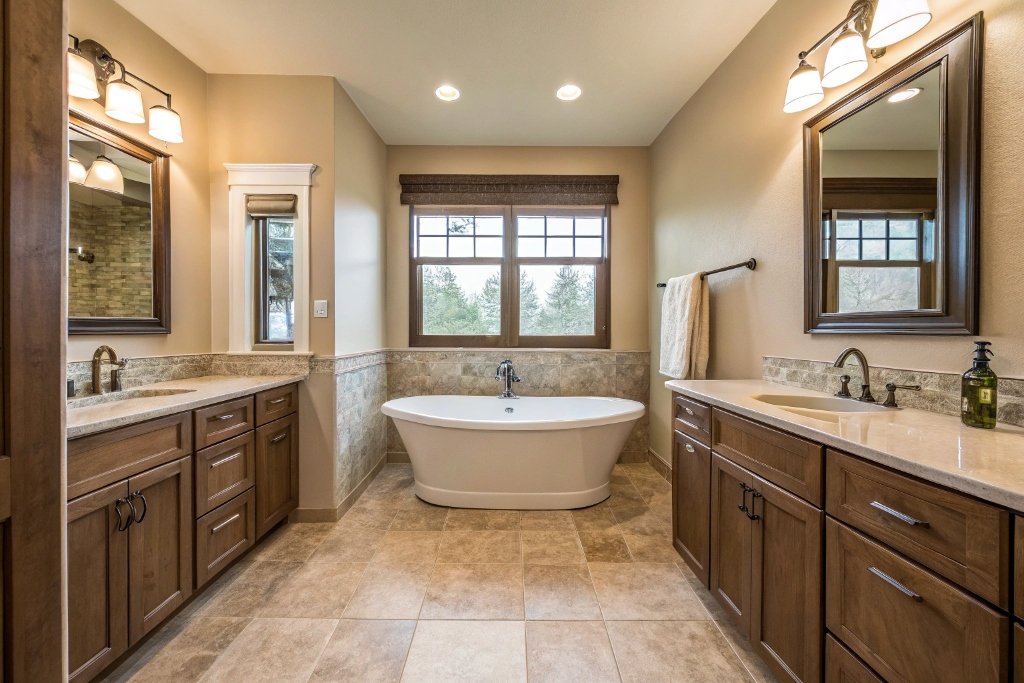
A bathtub is a central feature, so matching it to your bathroom's layout is crucial for both aesthetics and functionality.
- Assess Your Bathroom's Size and Shape:
- Small Bathrooms (e.g., 5x8 feet): Alcove tubs are usually the only practical option due to their space-saving, wall-hugging design. A very small freestanding tub might fit, but often doesn't leave enough clearance.
- Medium Bathrooms (e.g., 8x10 feet): Can typically accommodate an alcove, a smaller freestanding, or a drop-in tub with a modest deck. You have more flexibility.
- Large Bathrooms (e.g., 10x12+ feet): Ideal for larger freestanding tubs as a focal point, or spacious drop-ins with expansive decks, often paired with a separate shower.
- Consider Existing Plumbing and Walls:
- Alcove: This is designed for existing three-wall enclosures, often where a previous tub or shower stood. Existing plumbing and drain locations are usually suited for this.
- Freestanding: Often requires relocating or planning for floor-mounted plumbing, which can significantly add to installation cost.
- Drop-In: Needs a custom-built deck or platform, which requires space for the structure itself and access panels for plumbing.
- Traffic Flow and Clearances:
- Ensure the tub (especially a freestanding one) does not block pathways or the operation of doors, drawers on vanities, or access to the toilet.
- Maintain adequate clearance (e.g., 21-30 inches) around the tub for comfortable movement.
- Aesthetic Goals:
- Modern/Minimalist: Sleek freestanding or integrated drop-in tubs often fit this style.
- Traditional/Classic: Clawfoot freestanding or classic built-in alcove tubs work well.
- Spa-like: Deeper, jetted freestanding or large drop-in tubs create this ambiance.
Draw a diagram of your bathroom, including all fixtures and doorways, to visualize how different tub types and sizes will fit.
What Installation Requirements Should You Know Before Buying?
Prepare for a smooth setup.
Understanding key installation requirements before buying a bathtub is crucial to avoid unexpected costs, delays, and structural issues. You must verify if your floor can support the tub's weight, especially for heavy materials like cast iron or larger jetted models. Assess existing plumbing for drain and water supply line compatibility with the chosen tub type (e.g., floor-mount for freestanding, wall-mount for alcove). Confirm that access to plumbing for maintenance is feasible. Furthermore, ensure the dimensions of the tub can fit through doorways and hallways during delivery. Consulting with a plumber or contractor beforehand is highly recommended. These preparation steps guarantee a smooth installation process that adheres to local building codes, functions correctly, and allows for proper long-term maintenance.
The journey from selecting a tub to actually using it involves crucial installation steps. Knowing these beforehand saves money and headaches.
- Floor Support and Weight:
- Heavy Tubs: Materials like cast iron, or very large tubs (especially when filled with water and a person), can be extremely heavy. You must confirm your floor joists can adequately support the weight. Old homes or upper floors might require reinforcement.
- Acrylic: Acrylic tubs are lighter, making them easier to install and often not requiring significant floor reinforcement.
- Plumbing Considerations:
- Drain Location: Check if the tub's drain location (center, left, right) matches your existing plumbing or if it can be easily adjusted.
- Faucet Type:
- Alcove/Drop-in: Often use wall-mounted or deck-mounted faucets on the tub surround.
- Freestanding: Requires specific freestanding or wall-mounted faucets. Freestanding faucets usually require floor-mounted water supplies.
- Access: Ensure there will be an access panel for drop-in tubs if the plumbing needs future maintenance.
- Dimensions for Delivery:
- Doorways and Hallways: Can your chosen tub (especially a large freestanding model) fit through all the doors, hallways, and stairwells on its way to the bathroom? Measure everything!
- Ventilation and Waterproofing:
- Ensure proper ventilation in the bathroom is in place to prevent mold, particularly if you're installing a shower/tub combo.
- Confirm all surrounding walls (for alcove/drop-in) are properly waterproofed before installation.
- Professional Help:
- It is almost always recommended to hire a professional plumber and possibly a contractor for bathtub installation to ensure correct waterproofing, proper drainage, and adherence to local building codes.
Don't underestimate the logistical and technical aspects of installation; they are as important as the tub itself.
Should You Choose a Standard Model or Consider Custom Options?
Tailored for your taste or off-the-rack?
The decision to choose a standard model or consider custom options for a bathtub hinges on a brand’s specific needs for uniqueness, budget, and time-to-market. A standard model is generally more cost-effective, readily available, and easier to replace, making it ideal for budget-conscious projects or quick turnarounds. Custom options, facilitated by OEM/ODM manufacturers like Salvere, offer unparalleled design flexibility for bespoke dimensions, unique features, or brand-specific aesthetics, perfectly suiting luxury projects, niche markets, or unqiue architectural requirements. While customization involves higher upfront costs for new molds and longer lead times, it delivers distinct market differentiation and precise fit. Your choice depends on whether your priority is efficiency and economy or a unique, personalized solution that elevates your product offering.
The final decision often comes down to balancing practicality, uniqueness, and budget.
- Standard Model Bathtubs:
- Pros:
- Cost-Effective: Generally cheaper due to mass production and existing molds.
- Readily Available: Faster lead times; often "off-the-shelf."
- Easy Replacement: Simple to find replacement parts or another similar tub in the future.
- Proven Design: Designs are usually market-tested and common.
- Cons:
- Limited Uniqueness: Your tub will look like many others.
- Less Specific Fit: May not perfectly match unusual bathroom dimensions or specific user needs.
- Best For: Budget-conscious projects, quick renovations, rental properties, or when specific customization is not a priority.
- Pros:
- Custom Options (OEM/ODM):
- What it entails: Working with an OEM/ODM manufacturer (like Salvere) to produce a bathtub that meets your exact specifications—unique dimensions (length, width, depth), specific jet configurations, custom material finishes (for acrylic), or personalized design elements. This can involve creating entirely new molds (OEM) or modifying existing designs (ODM).
- Pros:
- Perfect Fit: Tailored to your exact space or user requirements.
- Unique Design: Creates a signature look that differentiates your brand or home.
- Optimized Features: Integrate specific features precisely where you want them.
- Cons:
- Higher Cost: Significant upfront investment for mold development (OEM) or design modifications.
- Longer Lead Times: Design, mold creation, and prototyping take more time.
- More Complex Process: Requires close communication with the manufacturer.
- Best For: Luxury homes, niche markets (e.g., accessibility, specific ergonomics), unique architectural projects, or brands aiming for distinct product lines.
Consider your budget, timeline, and how truly unique you need your bathtub to be when weighing these options.
Conclusion
Choosing the right bathtub is a journey, not a single decision. By addressing these eight critical questions—from size and material to features and installation—you empower yourself to make a confident choice that transforms a functional item into a source of daily comfort and relaxation.
👉 Learn more about Salvere Bath OEM/ODM capabilities
and how we manufacture acrylic bathtubs in Vietnam.


