
While length and depth often grab attention, I've learned that bathtub width is a silent hero, playing a crucial role in user comfort, aesthetic integration, and even installation. Getting the width right is not just about fitting it into a space; it's about crafting an experience. It's about ensuring that moment of relaxation is truly comfortable for the end-user.
Finding the optimal bathtub width involves a critical balance between user comfort, bathroom space constraints, and the bathtub's overall design aesthetic. While standard widths suit most layouts, brands must consider how internal soaking dimensions directly impact the bathing experience for various body types. The ideal width ensures comfortable shoulder and arm positioning, avoiding cramped feelings, without making the tub unnecessarily large for the room. This balance requires careful evaluation of standard sizes, material impacts, and potential custom OEM/ODM solutions to meet specific market demands and enhance user satisfaction.
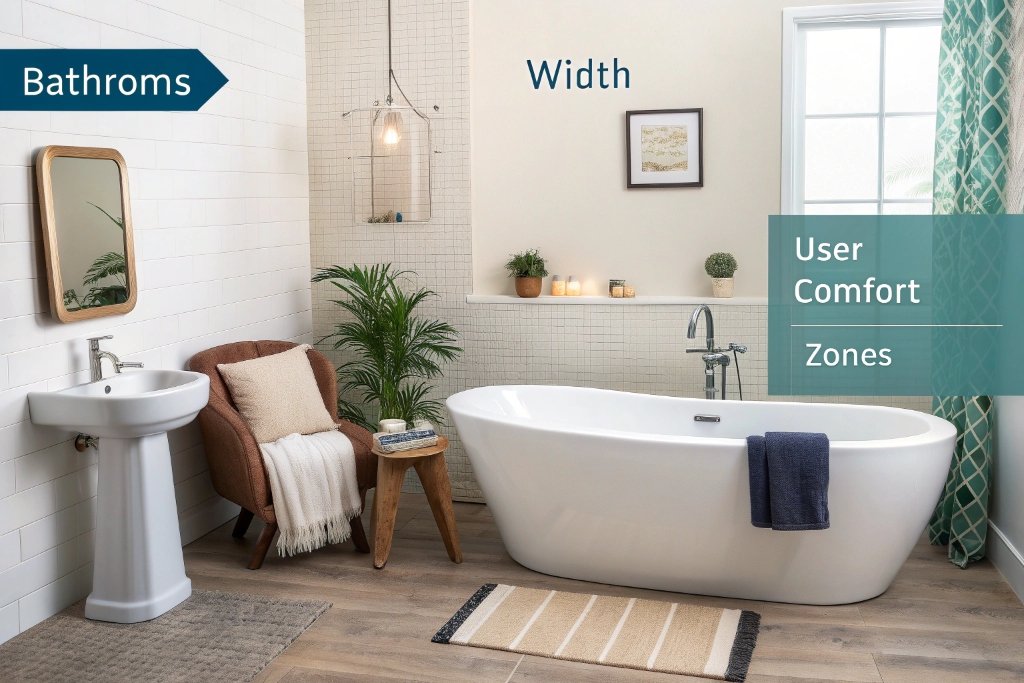
Let's explore why bathtub width is so important and how to find the perfect balance.
Why Bathtub Width Matters More Than You Think?
It's the unseen hero of a good soak.
Bathtub width matters far more than often perceived because it directly dictates the user's comfort and freedom of movement during bathing. An inadequate width leads to cramped shoulders and an uncomfortable, restrictive experience, while an excessively wide tub can waste water and make reaching controls difficult. Beyond comfort, width profoundly impacts bathroom layout, installation compatibility, and the tub's overall aesthetic integration. Prioritizing width ensures the bathtub functions effectively as a comfortable retreat and fits harmoniously within the bathroom space, transforming a simple fixture into a cornerstone of relaxation and design.
Many people focus on bathtub length or depth, but width is equally, if not more, critical for a truly comfortable experience.
- Direct Impact on Comfort:
- Shoulder Room: The most immediate effect of width is on shoulder room. If a tub is too narrow, your shoulders will feel cramped, forcing an uncomfortable posture. This is especially true for larger individuals.
- Arm Placement: Adequate width allows for comfortable arm placement, whether resting on the tub edge or submerged.
- Movement: A well-proportioned width provides enough space to move slightly, turn, or adjust position without feeling confined.
- Perception of Space:
- A wider tub often feels more luxurious and spacious, contributing to a sense of relaxation and indulgence.
- Water Usage:
- An excessively wide tub for the user can lead to unnecessary water usage, which is not ideal for sustainability or water bills.
- Aesthetic and Installation:
- Visual Balance: The width needs to be proportionate to the length and depth for a visually pleasing design.
- Bathroom Footprint: It directly impacts how much floor space the tub occupies, influencing overall bathroom layout and walkability.
- Installation Constraints: For alcove or drop-in tubs, the width must precisely match the framed opening.
I once saw a beautiful, extra-long bathtub that was incredibly narrow. While it looked sleek, testing it revealed a cramped experience. Users felt like they were in a coffin rather than a relaxing bath. This taught me that aesthetic appeal means little without functional comfort, and width is central to that.
Don't underestimate width; it's often the difference between a functional tub and a truly comfortable, luxurious bath.
Standard Bathtub Widths Across Different Product Types?
The usual suspects and their sizes.
Standard bathtub widths vary significantly across different product types, reflecting diverse design and installation requirements. For common alcove and drop-in tubs, widths typically range from 30 to 32 inches (76 to 81 cm) to fit conventional bathroom framing. Freestanding bathtubs offer greater flexibility, often ranging from 28 to 36 inches (71 to 91 cm) or more, with wider options providing a more luxurious soaking experience. Corner bathtubs, designed to maximize space, may feature wider internal dimensions, while walk-in tubs prioritize accessibility with narrower profiles. Understanding these typical ranges is crucial for initial space planning and for selecting a tub that aligns with both functional needs and aesthetic preferences for your target market.
Bathtub width is not uniform; it varies significantly based on the type of tub.
- Alcove Bathtubs:
- Standard: Most common width is 30 inches (76 cm), with 32 inches (81 cm) also widely available. These are designed to fit into a standard 60-inch (152 cm) alcove opening.
- Purpose: These are often the most practical choice for smaller bathrooms due to their space-efficient design.
- Drop-in Bathtubs:
- Standard: Similar to alcove tubs, often found in 30-32 inch (76-81 cm) widths, but can extend to 36 inches (91 cm) or more, depending on the surround design.
- Purpose: Offer more flexibility in design and can be installed in a custom deck or platform.
- Freestanding Bathtubs:
- Range: These offer the most variation in width. They can be found from a compact 28 inches (71 cm) for very small spaces, up to 36 inches (91 cm) or even 40 inches (102 cm) for large, luxurious models. The average falls around 30-34 inches (76-86 cm).
- Purpose: Designed as a focal point, offering aesthetic flexibility and often deeper soaks.
- Corner Bathtubs:
- Dimensions: Usually come with two equal width measurements (e.g., 42x42 inches, 107x107 cm) or unequal sides, providing a larger internal bathing area due to their triangular or pentagonal shape.
- Purpose: Maximize bathing space in a corner, often with ample decking for accessories.
- Walk-in Bathtubs:
- Standard: Typically narrower, often ranging from 26 to 30 inches (66 to 76 cm), to facilitate easier entry and exit, especially for accessibility needs.
- Purpose: Designed for safety and accessibility, often with built-in seats.
When designing for specific markets, we pay close attention to the standard widths prevalent in that region. For instance, in North America, the 30-inch alcove tub is a staple, but for high-end European freestanding designs, wider models are often preferred for their luxurious feel.
Knowing these standard ranges guides your initial selection and helps you understand what's readily available on the market.
How Bathtub Width Impacts User Comfort and Bathing Experience?
The true measure of relaxation.
Bathtub width profoundly impacts user comfort and the overall bathing experience by directly influencing how restricted or relaxed an individual feels. An ideal width allows for comfortable shoulder and arm positioning, preventing a cramped sensation that can negate relaxation. For taller users, sufficient width means not having to compensate for length by curling up. Additionally, a well-proportioned width supports different bathing postures and ensures easy access to controls without strain. Ultimately, the internal width directly translates to the perceived spaciousness and ergonomic support, dictating whether a bath is genuinely blissful or merely functional. This is why we focus on ergonomic design at Salvere.
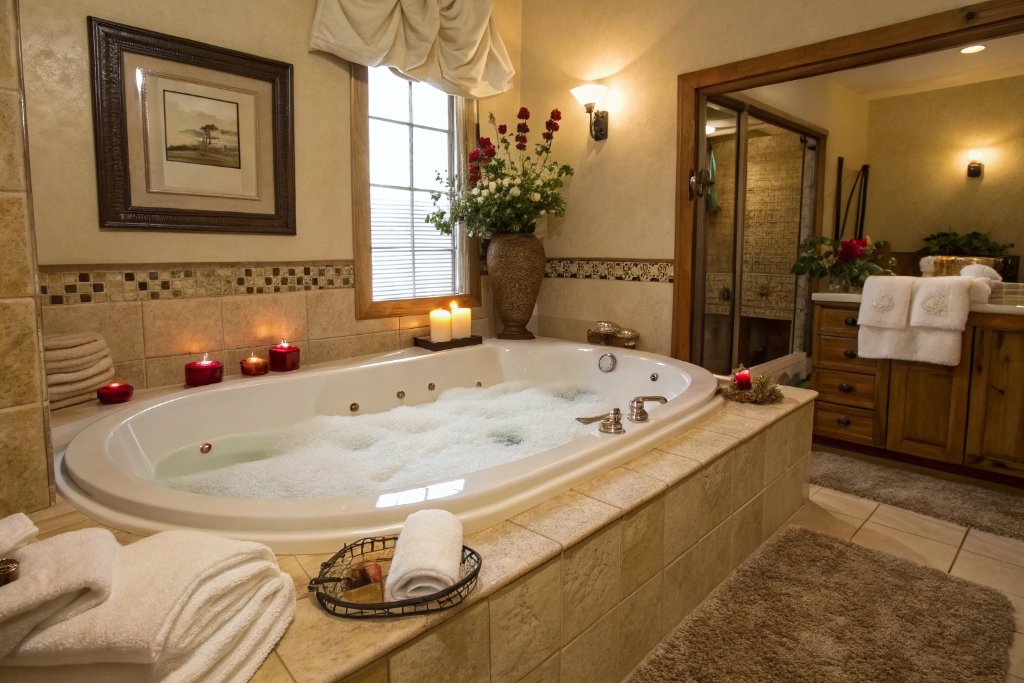
Ultimately, a bathtub's purpose is comfort and relaxation, and width plays a monumental role.
- Shoulder and Arm Freedom:
- Ideal: A width that allows personal space around the shoulders and arms. This means you can comfortably rest your arms on the tub edge, or keep them submerged without pressing against the sides of the tub.
- Too Narrow: Leads to discomfort, forcing shoulders to hunch inward or arms to remain tightly tucked, preventing full relaxation.
- Too Wide: While luxurious, can make it hard to brace yourself or reach faucet controls without stretching awkwardly.
- Lying and Sitting Posture:
- Support: A width that supports the natural curve of the body, allowing for a comfortable recline without feeling squeezed.
- Movement: Provides enough space to shift position easily, turn slightly, or adjust your legs, which is crucial during a longer soak.
- Body Type Accommodation:
- Larger Individuals: For those with broader shoulders, a wider internal dimension is essential to avoid a claustrophobic feel.
- Smaller Individuals: While a narrower tub might fit, a moderately wider tub can still offer comfort without being overwhelming, provided it has good lumbar support.
We build bathtubs for all body types. When designing a new model, we don't just consider external dimensions. We meticulously design the internal soaking space, focusing on shoulder room, lumbar angle, and footwell space. We even create prototypes and have employees of varying heights and builds test them to ensure universal comfort. This iterative process helps us strike an optimal balance.
A well-chosen bathtub width makes the difference between enduring a bath and truly enjoying one.
Space Planning: Matching Bathtub Width to Bathroom Layout?
Fitting form to function.
Effective space planning requires meticulously matching bathtub width to the existing or planned bathroom layout to ensure both aesthetic harmony and practical functionality. For smaller bathrooms, standard 30-32 inch (76-81 cm) alcove or drop-in tubs are typically optimal, utilizing confined spaces efficiently without impeding traffic flow. Larger bathrooms, conversely, can accommodate wider freestanding tubs (34-38 inches / 86-97 cm) or corner models, allowing these fixtures to become focal points. Crucially, brands must consider not just the tub's external width but also clearances for doors, vanity cabinets, and walkways. Careful planning prevents cramped environments, ensures proper installation, and maximizes the overall spaciousness of the bathroom, enhancing user experience and visual appeal.
The bathtub's width is a major determinant of how well it integrates into your bathroom space.
- Measuring Your Space:
- Existing Alcove/Opening: For replacements, precisely measure the width of the framed opening.
- Overall Bathroom Dimensions: Map out the entire bathroom, noting door swings, vanity placement, toilet location, and windows.
- Clearance Requirements: Ensure there's adequate clearance (typically 21-30 inches / 53-76 cm) around the tub for comfortable movement and access, especially for freestanding models.
- Impact on Traffic Flow:
- Narrow Bathrooms: A wider tub in a narrow bathroom can obstruct pathways, making the room feel cramped and difficult to navigate.
- Wider Bathrooms: Can accommodate more generous widths, allowing the tub to anchor the space without impeding movement.
- Visual Impact:
- A too-wide tub in a small bathroom can overpower the space, making it feel smaller.
- A proportionally sized tub creates balance and enhances the overall aesthetic.
- Builder/Installer Constraints:
- For new construction or major renovations, coordinate closely with your builder or designer to ensure the chosen width is feasible for plumbing, framing, and final installation.
Always prioritize functionality and practical clearance over simply fitting the largest tub possible into a space.
Material and Design Factors That Affect Perceived Width?
It's not just the numbers.
Material and design factors significantly influence the perceived width of an acrylic bathtub, extending beyond its absolute measurement. Thinner rim designs, prevalent in modern acrylic tubs, enhance the internal soaking space, making the tub feel more generous than its external dimensions suggest. Lighter, reflective colors create a sense of openness, while dark colors can make a tub appear narrower. Additionally, a tub with gently sloped sides or a well-designed lumbar support can maximize comfort within a given width. Acrylic's inherent flexibility allows for intricate internal shaping, optimizing elbow and shoulder room. Brands must leverage these design elements and material properties to maximize perceived comfort and spaciousness for the end-user, ensuring their tubs feel as inviting as they look.
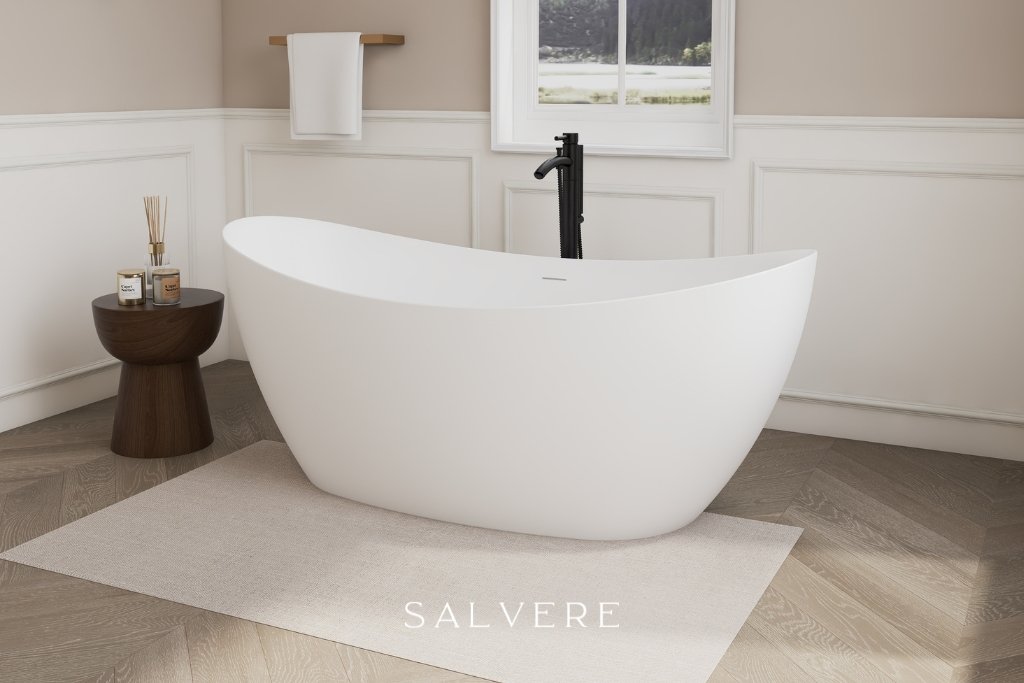
The actual measurement of a bathtub's width is one thing, but how wide it feels can be quite different due to design choices.
- Rim Thickness:
- Thin Rims: Modern acrylic bathtubs often feature thinner, sleeker rims. This design allows for a greater internal bathing width for the same external footprint, making the tub feel more spacious.
- Thick Rims/Decking: Tubs with very thick rims or integrated decking will have a smaller internal soaking width relative to their external footprint, potentially making them feel more restrictive.
- Straight vs. Sloped Sides:
- Straight Sides: Tubs with very straight, vertical internal walls maximize internal floor space and can make the tub feel roomier.
- Sloped Sides: While sloped sides offer ergonomic back support, they can slightly reduce the effective shoulder or hip room at the top, depending on the angle.
- Internal Shape and Features:
- Lumbar Support: A well-designed lumbar support can enhance comfort within a given width by cradling the back, even if the overall width isn't exceptionally large.
- Contoured Sides: Subtle internal contours for arms or elbows can optimize comfort without adding significant external width.
- Color and Finish:
- Lighter Colors: White and light-colored bathtubs tend to visually expand the space, making them feel wider and more open.
- Darker Colors: Darker finishes (less common for acrylic but sometimes seen) might make the tub feel more enclosing and potentially narrower.
We constantly push the boundaries of design to maximize internal space. By refining the vacuum forming process and optimizing reinforcement, we can create tubs with remarkably thin, yet strong, acrylic rims. This translates directly to more comfortable shoulder room for the user, even in a standard external width, creating an illusion of greater spaciousness.
Thoughtful design can significantly enhance the perceived comfort and spaciousness of a bathtub, making it feel wider than its actual dimensions.
When to Customize Your Bathtub Width (OEM/ODM Options)?
Precision for the perfect fit.
Customizing bathtub width through OEM/ODM options becomes essential when standard sizes fail to meet specific architectural requirements, niche market demands, or unique comfort specifications. Brands with atypical bathroom layouts, luxury projects requiring bespoke dimensions, or those targeting users with particular needs (e.g., broader shoulders or specific accessibility requirements) will benefit immensely. OEM allows for entirely new mold development for precise width (and other dimensions), while ODM permits modifications to existing designs. As an OEM/ODM provider, Salvere frequently helps brands achieve exact width specifications, ensuring a perfect fit, enhanced user experience, and distinct market differentiation without compromising quality or compliance. This also allows brands to cater to specialized demands.
Sometimes, standard sizes just won't cut it. This is where OEM/ODM flexibility shines.
- Unique Bathroom Layouts:
- Oddly Sized Alcoves: If a remodeling project has an existing alcove that deviates from standard widths (e.g., 34 instead of 30 inches), customizing the width ensures a perfect, seamless fit, avoiding costly framing alterations.
- Architectural Feature Integration: When a bathtub needs to integrate precisely with specific architectural elements like a built-in bench or a window recess.
- Targeting Niche Markets:
- Larger Body Types: If your brand caters specifically to individuals requiring extra comfort due to broader shoulders, a customized wider tub can be a key selling point.
- Accessibility Needs: For specialized accessibility designs where exact width ensures easier transfers or integrated features.
- High-End Luxury Projects:
- Luxury residential or hospitality projects often demand bespoke elements, including bathtubs with precise dimensions to match a grand design vision.
- Brand Differentiation:
- Creating a signature bathtub model might involve unique dimensions, including width, to set your brand apart from competitors.
OEM/ODM solutions provide the precision and flexibility needed to meet exact dimensional requirements and open new product opportunities.
How Brands Can Balance Comfort, Cost, and Installation Requirements?
The triple-bottom line of bathtub selection.
Brands must meticulously balance comfort, cost, and installation requirements to create a successful acrylic bathtub product that appeals to its target market. Prioritizing internal comfort often involves optimizing width, which can impact material usage and, therefore, cost. However, a slight investment in a wider tub might yield significant customer satisfaction. Concurrently, design choices must align with standard installation practices to avoid expensive custom framing or complex plumbing. Leveraging an experienced OEM/ODM partner like Salvere allows brands to explore design iterations, cost-effectively optimize dimensions, and ensure compliance with installation standards. This holistic approach finds the sweet spot where luxurious comfort meets practical economics and seamless integration, leading to a marketable and profitable product offering.
Making the right bathtub choice is about balancing multiple, often competing, priorities.
- Comfort vs. Cost:
- Wider = More Material: Generally, a wider tub means more acrylic material and potentially a larger mold, which can increase unit cost.
- Value Proposition: Brands must decide if the enhanced comfort of a wider tub justifies a slightly higher cost. For luxury or wellness-focused brands, comfort is paramount. For entry-level segments, cost might drive a more compact width.
- Optimization: Work with your manufacturer to optimize the internal shape within a given external width to maximize comfort without dramatically increasing material.
- Comfort vs. Installation:
- Standard Sizes: Sticking closer to standard widths (e.g., 30 or 32 inches for alcove/drop-in) simplifies installation, as standard framing is already in place.
- Custom Widths: While offering superior comfort for niche needs, custom widths require precise planning for framing, plumbing, and delivery logistics, potentially adding installation complexity and cost.
- Cost vs. Installation:
- Custom Tooling: Investing in a custom mold for a unique width can be expensive upfront, but might save on installation costs if it fits a specific, non-standard opening perfectly.
- Versatility: Choosing a width that offers versatility for various bathroom sizes within your target market can reduce inventory complexity and broaden appeal.
My advice to brands is always to think about the end-user's experience first, then work backward through the practicalities. If you design a wonderfully comfortable tub that costs too much to produce or is a nightmare to install, it won't sell. We help clients find innovative ways to achieve that comfort, perhaps through clever internal shaping or rim design, while keeping an eye on the Bill of Materials and ensuring standard installation compatibility.
The ideal bathtub represents a harmonious balance where high user satisfaction meets feasible production and installation.
Final Guidelines for Selecting the Ideal Bathtub Width?
Your checklist for the perfect soak.
To select the ideal bathtub width, start by performing precise bathroom measurements and considering standard clearances required for other fixtures and traffic flow. Prioritize the intended user's comfort, particularly shoulder and arm room, evaluating how the internal soaking dimensions accommodate various body types. Then, align your choice with your brand's aesthetic vision and ensure it fits your budget constraints, remembering that external materials and rim designs influence perceived spaciousness. Finally, verify that the chosen width adheres to all relevant installation and compliance standards. This comprehensive approach guarantees a bathtub that is not only visually appealing but also ergonomically sound, cost-effective, and seamlessly integrated into its environment, ready to delight your customers.
Here's my final checklist to guide you in selecting the ideal bathtub width for your brand's offerings:
- Measure, Measure, Measure: Precisely assess the available space in the bathroom, accounting for other fixtures, door swings, and required clearances.
- User Comfort is King: Prioritize the internal soaking width, ensuring it provides adequate shoulder and arm room for your typical end-user. Consider testing prototypes for ergonomic fit.
- Know Your Bathtub Type: Match the width to the specific type of tub (alcove, freestanding, drop-in, corner, walk-in) and its intended installation method.
- Embrace Design for Perception: Leverage thinner rims, straight internal walls, and lighter colors to maximize perceived internal spaciousness within a given external width.
- Budget Wisely: Balance your comfort goals with your target cost structure. Understand that wider tubs often incur higher material costs, and custom molds carry upfront investment.
- Verify Installation Compatibility: Ensure your chosen width aligns with standard framing and plumbing practices in your target market to avoid installation headaches and added costs.
- Consider OEM/ODM Partners for Custom Needs: If standard widths don't meet your unique project or market demands, explore customization options with your OEM/ODM manufacturer.
👉 Learn more about Salvere Bath OEM/ODM capabilities
and how we manufacture acrylic bathtubs in Vietnam.


