
As an acrylic bathtub manufacturer at Salvere, I've seen countless projects, from quick renovations to custom builds. A common thread across all successful installations is precise measurement. It’s the foundational step that ensures the tub fits perfectly, functions flawlessly, and looks exactly as intended. Skimp on measuring, and you risk costly errors, delays, or a tub that simply doesn't work for your space.
Measuring your bathroom for a new bathtub is a crucial multi-step process that ensures proper fit and function, requiring precise dimensions of walls, floor, and clearances. You must identify your bathroom type (alcove, drop-in, freestanding), then meticulously measure the available length, width, and height, while also accounting for existing plumbing, drain location, and critical accessibility factors like tub height and entry points. Thorough measurement prevents costly installation errors and guarantees the ideal tub for your space.
This guide will walk you through the essential measurements to take for your new bathtub.
Identify Your Bathroom Type and Layout
Know your starting point.
Before any measurements begin, identify your bathroom's existing or intended layout: an alcove setup requires precise width, length, and height within a three-walled recess for a built-in tub with an integrated apron. A drop-in design demands measurements for the tub's shell and the custom deck it will sit in, allowing for greater flexibility, whereas a freestanding tub necessitates ample open floor space, requiring overall room dimensions to ensure adequate clearance around all sides.
The first step isn't about numbers yet, it's about understanding the "category" of your bathtub installation. This immediately tells you which specific measurements are most critical.
- Alcove Bathtub (Recessed):
- Description: The most common type, installed within a three-walled enclosure. Often a shower/tub combo.
- Key Measurement Areas: The precise length, width, and height of the recess. You’re essentially filling a box.
- Drop-in Bathtub:
- Description: The tub shell is "dropped into" a custom-built frame or deck made of tile, stone, or wood. The deck forms the visible exterior.
- Key Measurement Areas: The overall footprint for the deck, plus the precise cutout dimensions for the tub itself. You're building a shell around it.
- Freestanding Bathtub:
- Description: A finished tub that stands alone, not attached to walls, with visible exterior surfaces on all sides.
- Key Measurement Areas: The overall floor area to ensure adequate clearance around the entire tub, and door/hallway dimensions for delivery. You're placing an object in open space.
- Corner Bathtub:
- Description: Designed to fit into a corner, often triangular or irregularly shaped.
- Key Measurement Areas: The length of the two walls forming the corner, and the diagonal distance.
Once you know your tub type, you can proceed with confidence to the next steps.
Take Wall-to-Wall and Niche Measurements
Precision is key, even within fractions of an inch.
To accurately measure for a new bathtub, meticulously take wall-to-wall dimensions at three points: top, middle, and bottom, recording the smallest measurement for the effective width and length of an alcove or niche. For drop-in tubs, determine the desired external dimensions of the deck, then measure the internal cutout space required, always confirming against the tub's specifications to ensure both the tub and its support system will fit precisely within the chosen location.
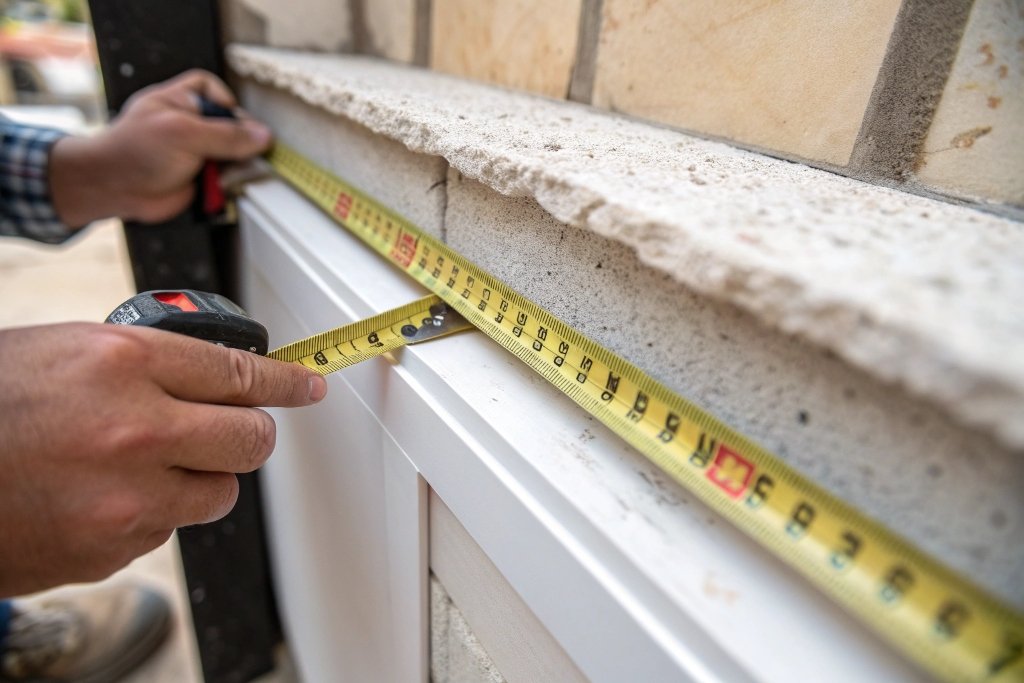
This is where the tape measure comes out. Don't eyeball anything!
- For Alcove Tubs (The Recess):
- Length: Measure the distance between the two side walls. Crucially, measure this at three different points: close to the floor, at hip height, and at shoulder height. Always use the smallest of these three measurements. Walls are rarely perfectly plumb, and a tub won't compress.
- Width (from front to back): Measure from the back wall to the front of where the tub will end. In most cases, this is a standard 30-32 inches from the wall studs.
- Height: Measure from the subfloor up to the desired height (e.g., to the bottom of a window sill, or to where the shower wall tile will end). Ensure there's clearance for the tub's rim and any potential framing above it.
- For Drop-in Tubs (The Opening):
- Overall Deck Footprint: First, decide on the total space the finished deck will occupy. Measure the planned length and width of this entire deck area.
- Tub Cutout (Rough Opening): Once the deck footprint is determined, you need the internal dimensions for the tub to sit in. Carefully check the manufacturer's specification sheet for the "rough-in" or "cutout" dimensions. Measure your planned opening based on these specs. This is vital because the tub's rim needs to rest securely on the deck.
- Height: Measure from the subfloor up to the desired finished height of your deck.
- For Freestanding Tubs:
- Overall Room Dimensions: Measure the total length and width of the bathroom.
- Placement Area: Identify the specific spot where the tub will go and measure its length and width, ensuring it allows for comfortable clearance on all sides.
Use a reliable tape measure, and write down all measurements immediately.
Measure Floor Area and Clearance Zones
Don't forget the space around the tub.
Measuring the floor area and clearance zones is paramount for optimal bathroom functionality, requiring precise mapping of available space around the proposed bathtub location. For freestanding tubs, ensure at least 15-18 inches of clearance on all accessible sides for comfortable entry, exit, and cleaning. For alcove or drop-in tubs, account for door swings, vanity proximity, and toilet placement, ensuring adequate human traffic flow and easy access to other fixtures without obstruction from the tub or its surround.
Fitting the tub itself is one thing; making sure you can actually use the bathroom comfortably is another.
- Clearance Around Freestanding Tubs:
- Minimums: Aim for at least 15-18 inches of clear space around all accessible sides of a freestanding tub. This allows for comfortable entry/exit, cleaning, and gives the tub visual breathing room.
- Traffic Paths: Ensure the tub doesn't block primary walkways to the toilet, vanity, or shower.
- Clearance for Alcove/Drop-in Tubs:
- Shower Clearance: If it's a shower/tub combo, ensure there's enough space for a shower curtain or glass enclosure to open and close freely.
- Adjacent Fixtures:
- Toilet: A minimum of 15 inches from the center line of the toilet to the side of the tub (or any obstruction), with 30 inches total width for the toilet area.
- Vanity: Ensure vanity doors or drawers can open fully without hitting the tub.
- Door Swings: Check that bathroom doors or shower doors (if applicable) don't collide with the tub or its surrounds when opened.
- Window/Fixture Obstructions: Ensure the tub's height (or deck height) doesn't interfere with windows, light switches, or electrical outlets.
These clearances define the functionality and flow of your bathroom.
Consider Plumbing and Drain Location
Connect the dots.
When measuring for a new bathtub, carefully consider existing plumbing and drain locations, as these dictate installation efficiency and potential cost. For alcove and drop-in tubs, identify the distance from the wall to the drain and the spout rough-in, ensuring compatibility with the new tub’s internal structure. For freestanding tubs, verify that the floor or wall-mounted plumbing can be adapted to accommodate the tub’s specific features, recognizing that moving these connections can significantly impact budget and timelines.
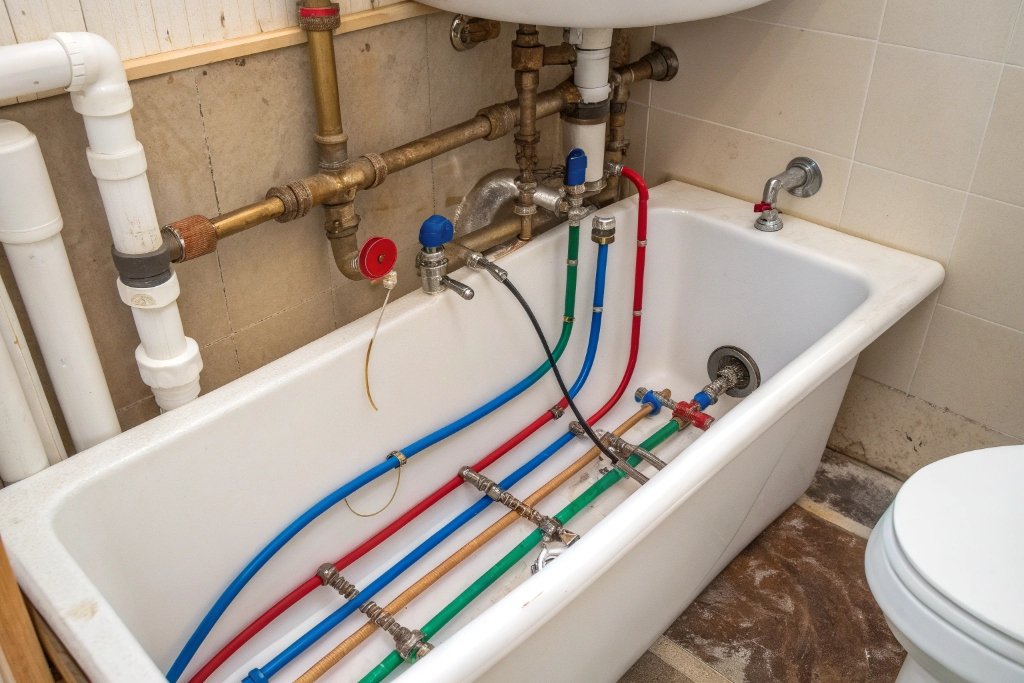
Plumbing is the lifeline of your bathtub. You need to know where it is and if it matches your desired tub.
- Existing Drain Location:
- Distance from the Wall: For alcove and drop-in tubs, measure the distance from the back wall to the center of the existing drain pipe in the subfloor. Compare this to the drain location specified on the new tub's technical drawing.
- Distance from Side Walls: Also note its position relative to the side walls of the alcove.
- Freestanding Tubs: For freestanding tubs, the drain is often centered. You'll need to know if your existing floor drain aligns, or if you'll need to move it (which involves breaking concrete/floor). A wall-mounted drain can simplify things for some freestanding tubs.
- Water Supply Lines and Spout Rough-in:
- Height: Note the height of the hot and cold water supply lines, and the rough-in for the spout (if wall-mounted).
- Distance from Wall: For alcove and drop-in tubs, measure how far the spout rough-in protrudes from the wall.
- Freestanding Faucets: If you're going for a freestanding tub with a floor-mounted faucet, ensure you have pipes coming up from the floor in the correct position.
- Overflow: All tubs require an overflow. Ensure there's space for its installation and connection.
Take photos of your existing plumbing setup to share with your plumber and tub supplier.
Account for Tub Height and Entry Accessibility
Comfort and safety first.
When selecting a new bathtub, meticulously account for its height and ensure optimal entry accessibility for all users. The tub's rim height should allow for comfortable stepping in and out, typically between 18-24 inches from the floor, especially if it combines with a shower. Consider the internal depth for soaking and the available space to install grab bars if needed, prioritizing universal design and ease of use to prevent strain or accidents for individuals of varying mobility levels.
While often overlooked, how easily someone can get in and out of the tub is a crucial measurement.
- Tub Rim Height:
- Standard: Most standard tubs have a rim height between 18 to 22 inches from the floor.
- Deep Soakers/Freestanding: Some deeper soaker or freestanding tubs can have rims as high as 24-30 inches.
- Accessibility: For individuals with limited mobility, a lower rim is always better, or consider a step-in tub. Measure how high you (or the primary user) can comfortably step over.
- Internal Depth for Soaking: This isn't the tub's overall height, but the depth of water you can achieve inside the tub. Measure from the tub floor to the overflow drain. This indicates how deep a soak you'll get.
- Adequate Space for Grab Bars: If you plan to install grab bars for safety (highly recommended, especially if you foresee needing them), ensure there's enough clear wall space for appropriate installation, both horizontally and vertically.
- Shower Head Height: If combining with a shower, ensure the shower head can be mounted at an appropriate height for the tallest user, above the tub's rim.
Think about everyone who will be using the tub, now and in the future.
Leave Space for Future Maintenance
Plan for the unexpected.
When installing a new bathtub, always leave adequate space for future maintenance or repairs, ensuring access to critical plumbing components like the drain, overflow, and faucet connections without requiring wall demolition. This includes installing access panels behind a drop-in tub's skirt or deck for plumbing access, designing removable skirt sections for alcove tubs, and maintaining sufficient clearance around freestanding tubs. Proactive planning prevents costly, disruptive repairs down the line.
No mechanical system lasts forever without needing some attention. Planning for maintenance access can save you a lot of headache and money down the road.
- Access Panels for Drop-in and Alcove Tubs:
- Behind the Tub: If the tub shares a wall with a closet or another room, consider installing an access panel on the other side of the wall, directly behind the plumbing.
- In the Skirt/Deck: For drop-in tubs, ensure a section of the tiled or paneled deck/skirt can be easily removed to access the plumbing and drain connections underneath. For alcove tubs, if a custom skirt is built, it should be designed with an access panel.
- Freestanding Tubs: These usually offer easy access to their plumbing from underneath or behind. However, ensure there’s enough space to work around them if a repair is needed. Keep the tub far enough from walls or other fixtures.
- Shut-off Valves: Ensure all shut-off valves for the tub's water supply are easily accessible, either in an adjacent vanity, an access panel, or clearly marked in the basement/crawl space.
Always ask your installer how they plan for maintenance access during the design phase.
Conclusion
Measuring your bathroom for a new bathtub is a comprehensive process that goes beyond just the tub's footprint. By meticulously considering your bathroom type, taking precise niche and wall-to-wall measurements, accounting for clearance, understanding plumbing, ensuring accessibility, and planning for future maintenance, you lay the groundwork for a flawless installation and a bathing experience that is both beautiful and functional.
👉 Learn more about Salvere Bath OEM/ODM capabilities
and how we manufacture acrylic bathtubs in Vietnam.


