
Choosing a bathtub is more than picking a style; it is about finding the right fit. As an acrylic bathtub manufacturer, I've seen countless projects where size makes all the difference. Get it right, and your bathroom feels perfect. Get it wrong, and it is a tight squeeze or a wasted space.
The best bathtub size for your space depends critically on your bathroom's dimensions, the tub's intended use (e.g., soaking, showering, accessibility), and the specific type of tub you prefer (e.g., alcove, freestanding, corner). Careful measurement and understanding standard dimensions are essential to ensure both functional fit and aesthetic harmony within your bathroom layout.
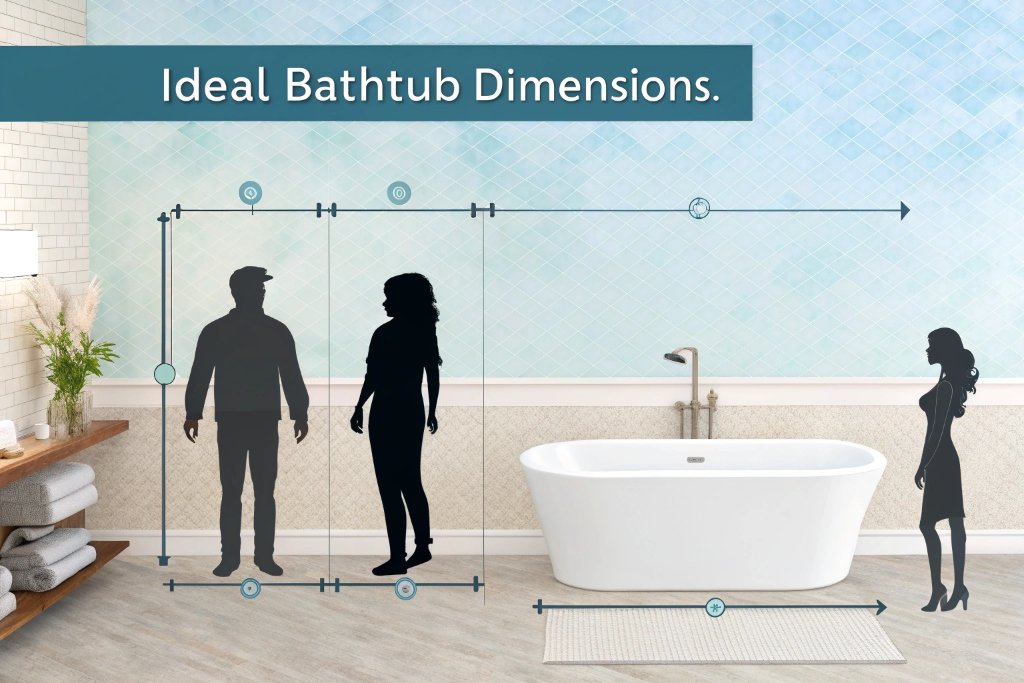
Let's explore the common sizes and types to help find the ideal tub for any bathroom.
Common Bathtub Sizes and Dimensions
Starting with the basics helps a lot.
Standard bathtubs typically measure 60 inches long, 30-32 inches wide, and 14-18 inches high, offering a balance of comfort and space efficiency for most bathrooms. However, deeper soaking tubs, wider walk-ins, and shorter compact models provide diverse options to accommodate various user needs and spatial constraints beyond these common dimensions.
Here are the general size ranges I see in the market:
- Standard Alcove/Recessed Tubs:
- Length: Most common is 60 inches (5 feet). You can also find 48, 54, 66, and 72 inches.
- Width: Typically 30 to 32 inches. Some models are 28 or 36 inches.
- Height: Usually 14 to 18 inches from the floor to the rim. Soaking tubs go deeper.
- Soaking Tubs (Deeper):
- Length: Can vary widely, from 55 to 72 inches.
- Width: 30 to 36 inches or more.
- Height: 18 to 24 inches or even 30 inches for Japanese-style soaking tubs.
- Freestanding Tubs:
- Length: Range from 55 to 72 inches.
- Width: 28 to 36 inches.
- Height: 20 to 28 inches.
- Specialty Tubs (e.g., Corner, Walk-in):
- Corner: Often around 48x48 inches or 60x60 inches.
- Walk-in: Highly variable, designed for accessibility, typically larger in footprint to accommodate a door.
Knowing these common sizes is the first step.
Bathtub Types and Their Typical Sizes
Different styles have different common sizes.
Bathtub types—such as alcove, freestanding, corner, and drop-in—each come with typical size ranges dictated by their installation method and design. Alcove tubs are usually standardized for efficient space use, while freestanding and drop-in tubs offer greater variability in length and width to suit diverse aesthetic and soaking preferences.
Let's match types to their usual dimensions:
- Alcove Bathtubs:
- Description: Fitted into a three-wall recess, ideal for shower/tub combos.
- Typical Sizes: 60 inches (length) x 30-32 inches (width) x 14-18 inches (height). This is the most prevalent size due to standardization in construction.
- Freestanding Bathtubs:
- Description: Stand alone, not attached to walls, acting as a focal point.
- Typical Sizes: Often range from 55-72 inches long, 28-36 inches wide, and 20-28 inches high. They need more floor space around them.
- Drop-in Bathtubs:
- Description: Placed into a built-in deck or frame (often tiled).
- Typical Sizes: Can be similar to alcove tubs (60x30 inches) but also come in larger, often wider (32-42 inches), and sometimes deeper models, as they are not constrained by a standard shower enclosure.
- Corner Bathtubs:
- Description: Designed to fit into a corner, often with a triangular or angled shape.
- Typical Sizes: Sides are usually 48x48 inches, 54x54 inches, or 60x60 inches. They maximize space in a different way.
- Walk-in Bathtubs:
- Description: Features a door for easy access, designed for accessibility.
- Typical Sizes: More compact in width (28-32 inches) but often shorter in length (48-60 inches), compensating with greater depth (typically 36-40 inches high).
Understanding these helps narrow down options quickly.
What Size Bathtub Is Best for Soaking?
Length and depth are key for a good soak.
The best bathtub size for soaking comfort prioritizes depth, usually 18 inches or more, allowing the water to cover the user’s shoulders. Ideal lengths range from 60 to 72 inches, accommodating average to tall individuals for a relaxed, reclined position. Widths of 32 inches or more provide ample interior space, ensuring a truly immersive bathing experience.
For a truly luxurious soaking experience, consider these factors:
- Depth:
- Minimum 18 inches: This allows water to reach over your shoulders (when seated), which is crucial for a full body soak.
- Ideal Depth: 20-24 inches or even deeper for Japanese-style tubs.
- Length (Interior):
- Rule of Thumb: You want enough interior length to stretch out without your knees touching the faucet or your feet pressing against the end.
- For Average Adults (5'5" to 5'10"): A 60-inch to 66-inch tub is usually good.
- For Taller Adults (6'0" and up): Look for 66-inch to 72-inch tubs.
- Width (Interior):
- Comfort: At least 28-30 inches at the bottom. Wider tubs (32-36 inches) offer more elbow room, especially for larger individuals or shared baths.
- Ergonomics:
- Look for models with a comfortable backrest angle and, ideally, molded armrests for maximum relaxation.
A deep, long, and comfortable tub transforms bathing into a spa experience.
Best Bathtub Size for Small Bathrooms
Small spaces need smart choices.
For small bathrooms, the best bathtub size emphasizes compactness, with lengths as short as 48-54 inches and widths typically 28-30 inches. Alcove or corner tubs efficiently use limited space, while walk-in or shorter soaking models can provide depth without excessive length, ensuring functionality without overwhelming the room.
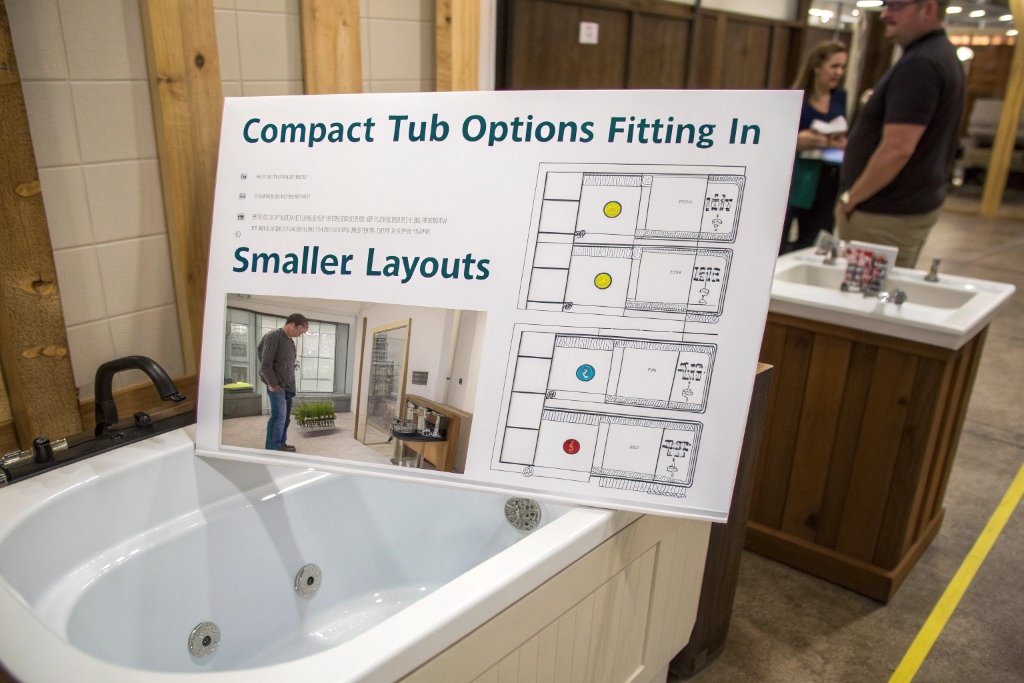
Here is how to make a bathtub work in a tight spot:
- "Apartment Sized" or Compact Tubs:
- Length: These can be as short as 48 inches (4 feet) or 54 inches (4.5 feet).
- Width: Typically 28-30 inches.
- Installation: Usually alcove style to maximize wall space.
- Corner Tubs:
- Benefits: Utilizes corner space that might otherwise be unused.
- Sizes: Common footprint of 48x48 inches can be surprisingly space-efficient.
- Japanese Soaking Tubs:
- Benefits: Very deep but often shorter in length (around 40-48 inches), allowing a seated, upright soak in minimal floor space.
- Consider a Shower-Only Space:
- Reality Check: Sometimes, in very small bathrooms (e.g., less than 5x8 feet), a tub simply isn't feasible or practical. A well-designed shower might be a better solution.
When space is precious, every inch counts.
Freestanding vs Built-in Tub Sizes
The main difference is footprint.
Freestanding tubs, while often offering longer and deeper dimensions for a luxurious soak, demand more surrounding floor space for aesthetic impact and access. Built-in tubs—like alcove or drop-in models—are typically more space-efficient, conforming to standard wall dimensions or custom decks, making them ideal for maximizing utility in smaller or standard bathrooms.
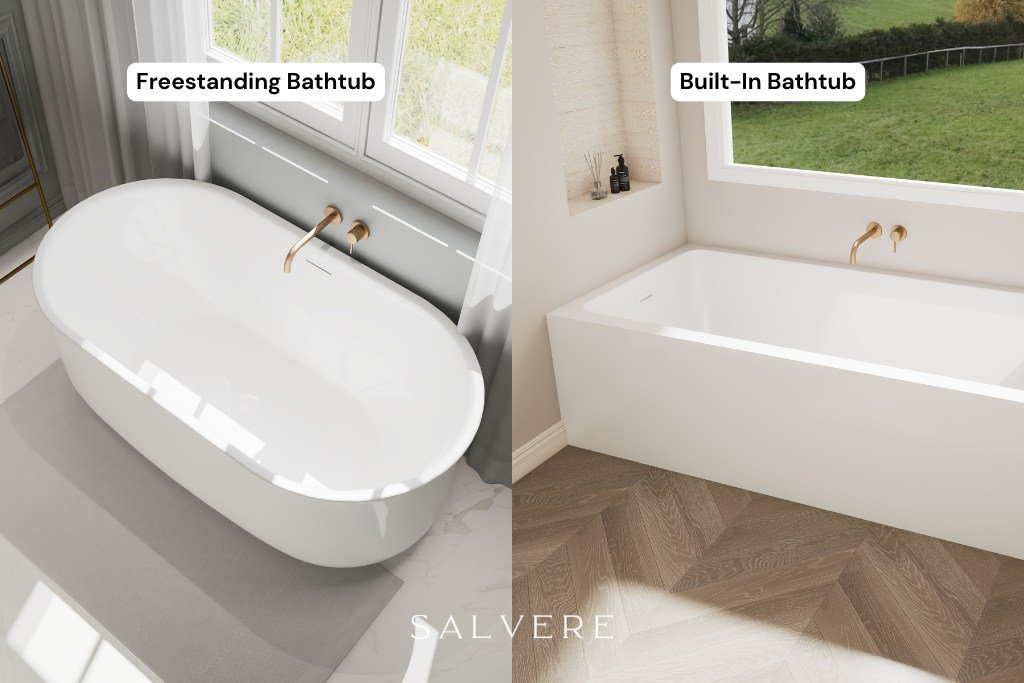
Here is a comparison of how their sizes impact placement:
| Feature | Freestanding Tubs | Built-in Tubs (Alcove, Drop-in) |
|---|---|---|
| Appearance | Stand alone, distinct design element, creates a focal point. | Integrated into the bathroom structure, often with a tiled surround. |
| Typical Sizes | Length: 55-72 inches, often longer. Width: 28-36 inches. Height: 20-28 inches. | Length: Most commonly 60 inches. Width: 30-32 inches. Height: 14-18 inches. |
| Space Required | Needs clearance on all sides (at least 6-12 inches) for cleaning and visual appeal. Requires more "open" floor space. | Fits snugly against walls or into a deck, maximizing usable floor space. Walls define the length and width. |
| Installation | Plumbing typically comes up from the floor. Heavier models may need floor reinforcement. Easier to install from a structural perspective compared to built-ins sometimes. | Plumbing is often within the wall. Requires careful framing and tiling work for a finished look. |
| Cost | Can be more expensive due to design and needing exposed plumbing fixtures. | Generally more cost-effective due to standardized sizes and hidden plumbing. |
Your design vision and available space will drive this decision.
How Much Water Does a Bathtub Hold?
It is more than just dimensions.
The amount of water a bathtub holds varies significantly based on its height, internal dimensions, and internal displacement from features or sloped backs. While a standard 60x30x16-inch tub typically holds 35-50 gallons to the overflow, deeper soaking tubs can easily accommodate 70-100 gallons or more, impacting water usage and heating costs.
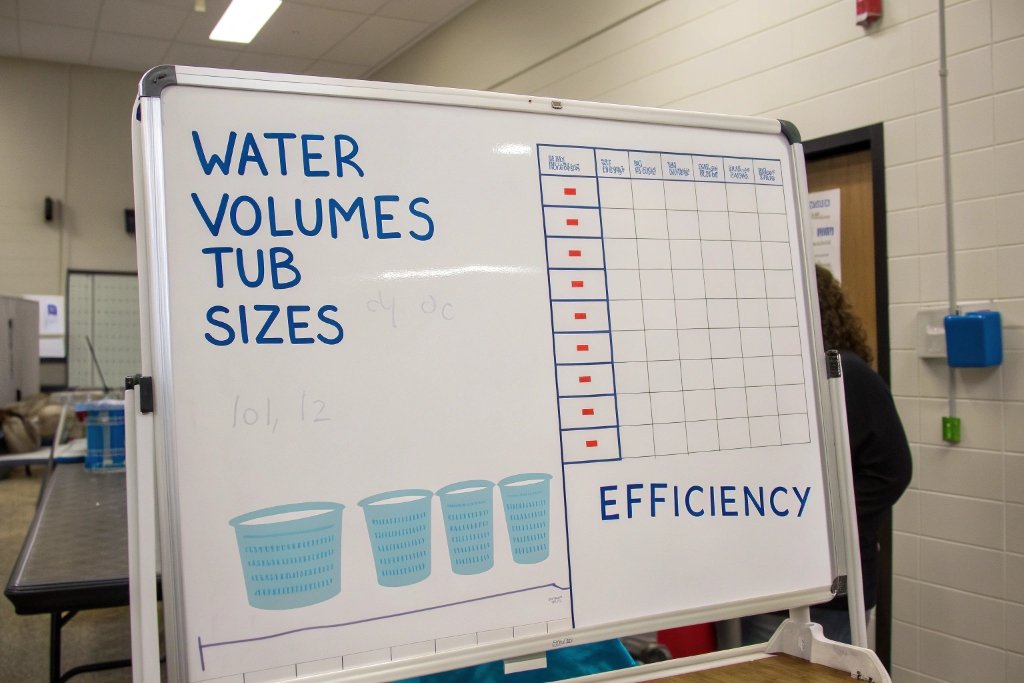
This impacts your water bill and hot water heater. Here's a general idea:
- Standard Alcove Tub (60x30x16 inches):
- Holds approximately 35-50 gallons when filled to the overflow drain.
- Deeper Soaking Tubs (e.g., 66x32x20 inches):
- Can hold anywhere from 60-80 gallons.
- Large Freestanding Tubs (e.g., 72x36x24 inches):
- Can easily exceed 100 gallons.
- Japanese Soaking Tubs (Deep & Short):
- Even with a small footprint, their depth can lead to high water capacity, often 50-70 gallons for a smaller model.
Always check the manufacturer's specifications for exact capacity, especially when planning your hot water needs.
How to Measure Your Bathroom for a Bathtub
Accuracy is crucial here.
To accurately measure your bathroom for a bathtub, first assess the largest available clear space. Measure the length, width, and height of the intended bathtub area, considering doorways, windows, and existing fixtures. Always account for at least 3-6 inches of clearance around freestanding tubs, and precisely measure alcove wall-to-wall distances for built-in models.
Here's my step-by-step guide:
- Measure the Overall Space:
- Use a reliable tape measure.
- Measure the total length and width of your bathroom.
- Determine the Bathtub Location:
- Where do you want the tub to go? Alcove, corner, or freestanding in the center?
- Measure the Bathtub Area Precisely:
- For Alcove/Built-in: Measure wall-to-wall for length, and from the back wall to the front edge where the deck or apron will be for width. Measure from the floor to any window sills or fixtures that might interfere with height.
- For Freestanding: Measure the length and width of the largest possible footprint on the floor. Remember to leave at least 6 inches, ideally 12 inches, of clearance on all sides between the tub and walls/fixtures for cleaning and visual impact.
- Consider Obstructions:
- Doorways: Can you get the tub into the bathroom? Measure the width and height of all doorways and hallways leading to the bathroom.
- Windows: Will the tub height interfere with a window?
- Vanities, Toilets, Showers: Ensure proper clearance according to local building codes (often 15 inches from the center of a toilet).
- Check Plumbing Location:
- Note where your drain and faucet hookups are. This is especially important for freestanding tubs.
Measure twice, order once. This prevents costly mistakes.
When Should You Consider a Custom Size?
Sometimes, standard just won't cut it.
You should consider a custom-size bathtub when standard dimensions don't fit unique architectural constraints, if you desire an exceptionally large or unusually shaped soaking experience, or when specific accessibility needs cannot be met by off-the-shelf models. Customization allows for optimal space utilization and a truly personalized design.
From an OEM perspective, we see several reasons for custom orders:
- Unusually Shaped Bathrooms:
- Scenario: Your bathroom has an odd angle, a very long but narrow space, or a corner that doesn't fit standard corner tubs.
- Benefit: A custom tub can be designed to perfectly utilize these challenging spaces.
- Specific Soaking Needs:
- Scenario: You are exceptionally tall and need an interior length greater than 72 inches, or you want a very specific depth for a therapeutic bath.
- Benefit: Tailored dimensions ensure optimal comfort for unique users.
- Architectural Integration:
- Scenario: You have a very specific design vision for a luxury home, where the tub needs to be a seamless part of a custom built-in deck or a unique architectural feature.
- Benefit: A custom tub integrates perfectly, enhancing the overall aesthetic without compromise.
- Accessibility Requirements:
- Scenario: Standard walk-in tubs do not meet specific mobility needs, or you need precise dimensions for wheelchair access.
- Benefit: A custom design can address exact accessibility needs, providing maximum safety and comfort.
- Historical Renovations:
- Scenario: Restoring a historic property where original tub dimensions are no longer standard, but you want to maintain authenticity.
- Benefit: Recreating specific dimensions to fit old footprints.
Our OEM capabilities allow us to produce custom acrylic tubs to meet these precise needs.
FAQs About Bathtub Sizes and Fit
Quick answers to common questions.
Common bathtub size FAQs address standard lengths for comfort, fitting tubs into small bathrooms, and determining water capacity. Key takeaways include verifying your hot water heater can support the tub's volume and always measuring your bathroom's clear space and door clearances accurately before making a purchase.
Here are some questions I hear often:
- Q: Will a 60-inch tub fit a tall person comfortably?
- A: For average height (up to 5'10"), a 60-inch tub is usually comfortable. Taller individuals (6'0"+) often prefer 66-72 inches for full extension.
- Q: How do I know if my hot water heater is big enough for a new soaking tub?
- A: Check the tub's water capacity (in gallons). Your hot water heater should ideally be able to hold at least two-thirds to three-quarters of that amount to ensure a consistently hot bath. For 80-gallon tubs, a 50-gallon heater might struggle. You can find your heater's capacity on its label.
- Q: Can I put a freestanding tub in a small bathroom?
- A: It is generally not recommended unless the "small" bathroom is still quite spacious. Freestanding tubs need breathing room (at least 6-12 inches on all sides) to look good and be functional. In truly small spaces, an alcove or corner tub is often a better choice.
- Q: What is the narrowest tub I can get?
- A: Some compact tubs can be as narrow as 27-28 inches, but this can feel cramped for adults. Thirty inches wide is typically the comfortable minimum.
- Q: Do all tubs need an overflow drain?
- A: Yes, for safety and to meet plumbing codes, almost all bathtubs must have an overflow drain to prevent flooding.
How to Choose the Right Tub Size for Your Needs
Bringing it all together for your decision.
To choose the right tub size, prioritize precise measurement of your bathroom space, identify your primary use (e.g., soaking, showering, accessibility), and consider your personal comfort and aesthetic preferences. Balance these factors with the tub's water capacity, installation requirements, and overall bathroom design to ensure a functional, comfortable, and visually appealing fit.
Here's my practical advice:
- Measure Everything, Twice: Bathroom dimensions, door frames, existing fixtures, and any window sills. This is the absolute first step.
- Define Your Purpose:
- Daily Shower/Bath Combo?: An alcove tub (60x30 inches) is usually ideal.
- Luxury Soaking?: Prioritize depth (18+ inches) and interior length (matching your height).
- Small Space?: Look at compact alcove or corner tubs, or consider a Japanese soaking tub.
- Accessibility?: Explore walk-in tubs or custom solutions.
- Consider the User(s): Who will primarily use the tub? Their height, weight, and mobility will greatly influence comfort.
- Budget and Installation: Freestanding tubs and custom sizes generally cost more for both the tub and installation compared to standard alcove units.
- Aesthetics: How do you want the tub to look and feel in the space? Does it serve as a focal point, or is it purely functional?
By systematically addressing these points, you can confidently select the perfect bathtub size and type for your needs.
👉 Learn more about our OEM/ODM capabilities
and how we manufacture acrylic bathtubs in Vietnam.


