
Ever felt like today's bathrooms all look the same—shiny, white, and uninspired? Or struggled to find a bathtub design that actually fits modern living spaces, wellness needs, and evolving consumer tastes? You're not alone. After visiting dozens of showrooms and listening to what both homeowners and project buyers are really asking for, I’ve noticed a clear shift. 2025 is shaping up to be the year acrylic bathtub design finally breaks the mold.
From minimalist shapes and matte finishes to wellness features and custom sizing, this year’s trends reflect a growing demand for both style and substance. Here’s what I’m seeing across markets, from urban renovations to large-scale housing projects.
Minimalist Forms Meet Functional Comfort
Clutter is out. Clean lines are in. This trend simplifies bathrooms.
Minimalist acrylic tubs provide sleek looks without losing comfort. They feature hidden overflows, integrated armrests, and ergonomic slopes. These designs fit modern, uncluttered spaces and still offer a luxurious soak.
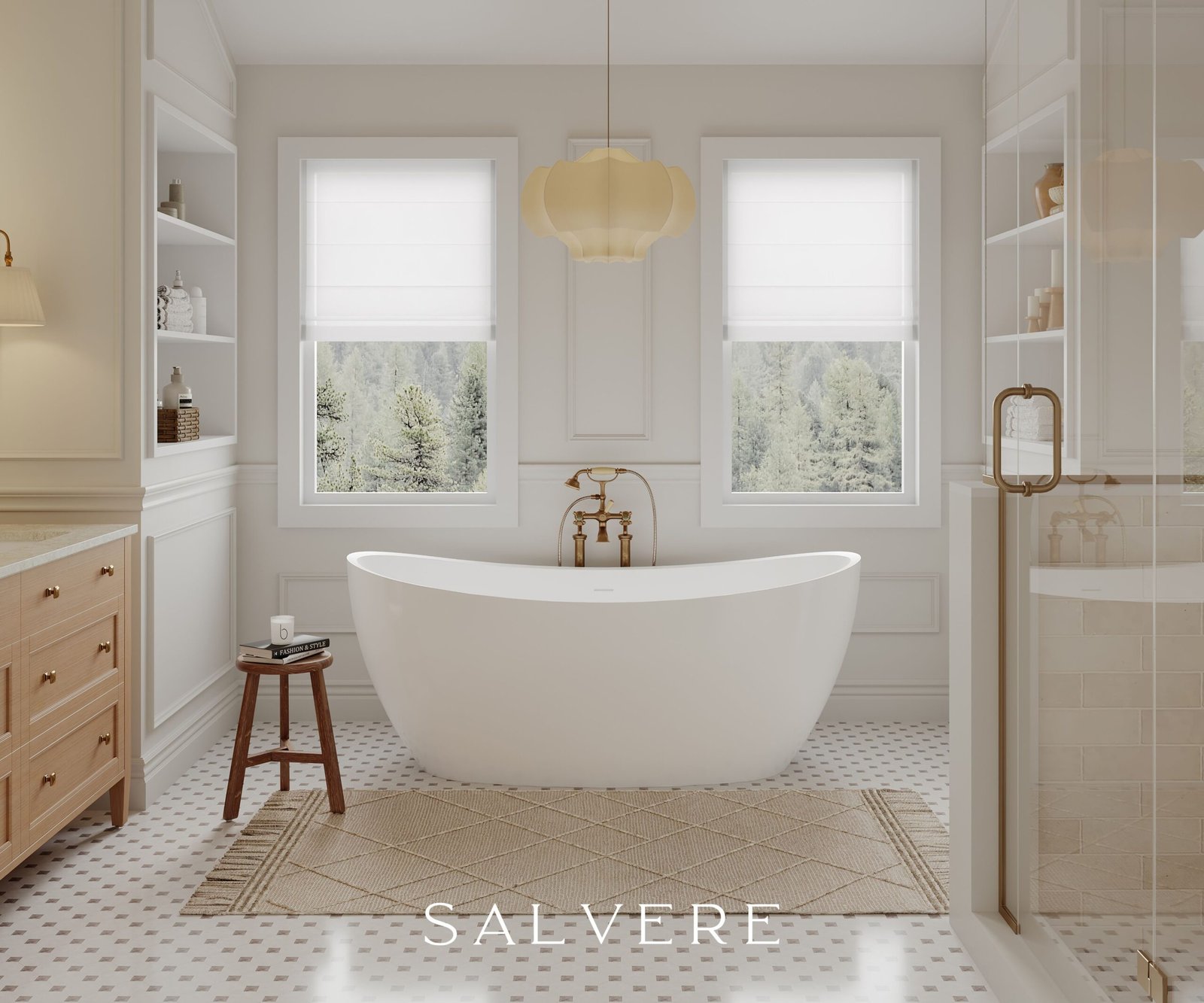
After comparing product displays in several design hubs, here’s what’s emerging:
- Sleek profiles: Fewer curves, more straight lines.
-
Integrated features:
- Sloping backrests molded into the tub.
- Discreet handle cutouts.
- Hidden drain mechanisms.
- Smooth surfaces: Easy to clean, less visual noise.
This approach gives a calm feel. It makes bathrooms feel bigger.
Matte Finishes and Earthy Tones Dominate Palettes
Shiny surfaces are fading. People want a softer look.
Matte finishes and earthy tones like warm grays, soft beiges, and muted greens are becoming popular for acrylic bathtubs. These palettes create a spa-like atmosphere. They also reduce glare compared to glossy white tubs.
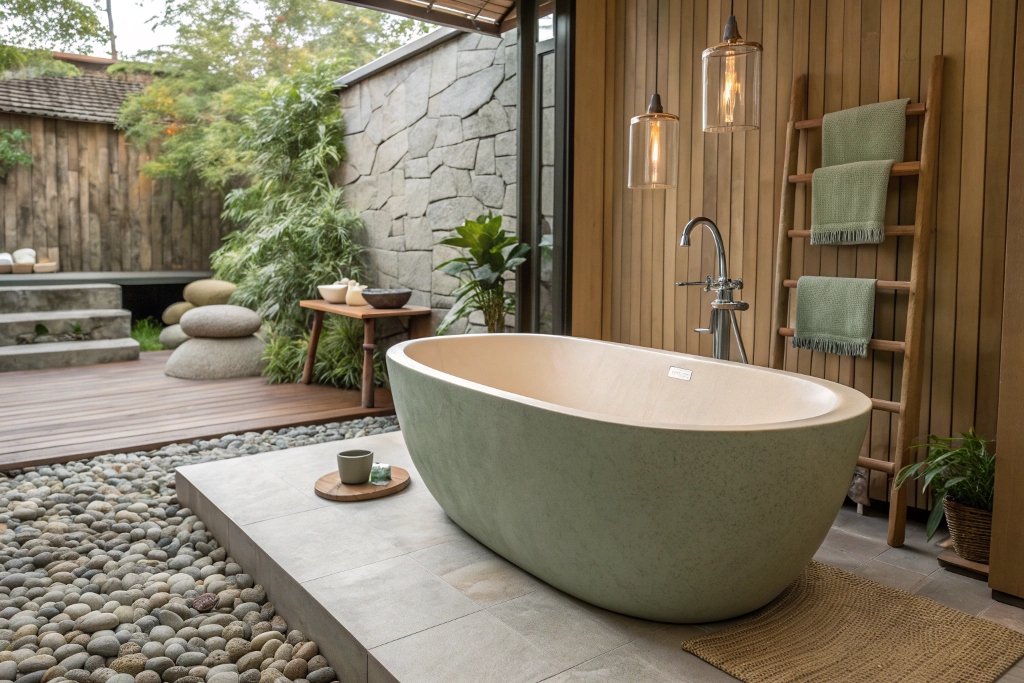
We’re seeing this reflected in color sample requests and showroom demand:
-
Aesthetic appeal:
- Creates a natural, calming feel.
- Matches organic interior designs.
-
Maintenance:
- Fingerprints and water spots are less visible.
- Scratches appear less prominent.
-
Versatility:
- Easily pairs with other natural materials like wood and stone.
This shift moves away from clinical white bathrooms.
Thin-Edge Bathtubs Redefine Modern Aesthetics
The edge of a tub might seem small. But it changes the whole look.
Thin-edge acrylic bathtubs offer a refined, contemporary look. Their narrow rims create a sense of spaciousness. They also maximize internal bathing space, making the tub feel larger inside without taking up more floor area.
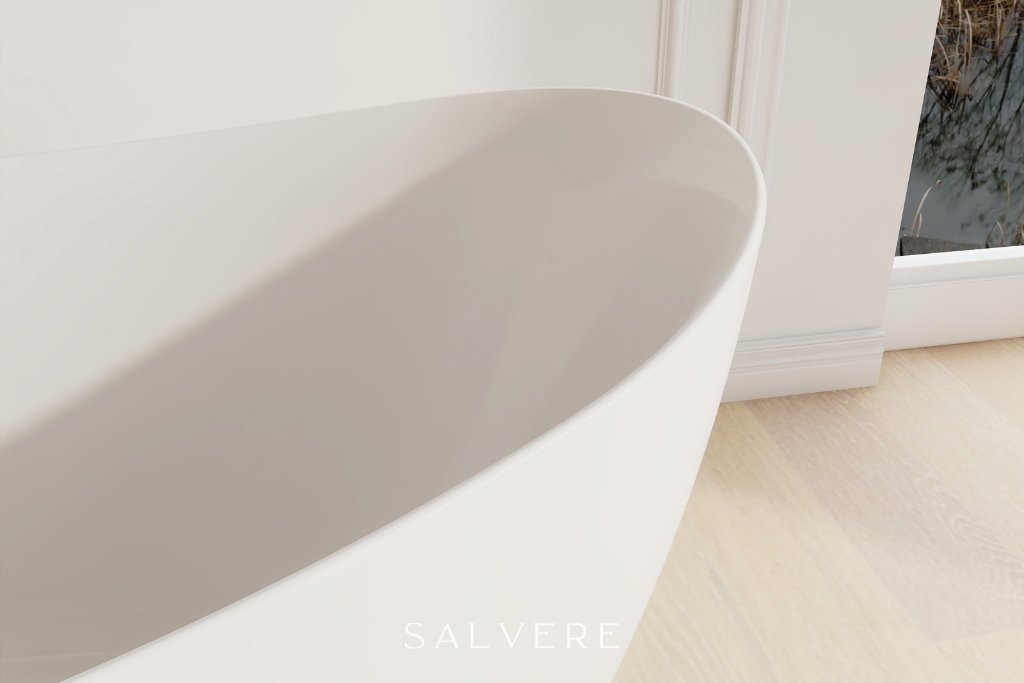
Manufacturing these isn’t easy—it takes precise reinforcement. But the visual payoff is worth it:
-
Space optimization:
- More internal capacity for soaking.
- Visually less bulky.
-
Modern appeal:
- Creates a sharp, architectural detail.
- Reflects high-end design trends.
-
Structural integrity:
- Requires advanced reinforcement techniques.
- Often includes specialized framing systems.
This design makes the tub a focal point, not just a fixture.
Freestanding Styles Continue to Lead Urban Renovations
Freestanding tubs are a favorite. They offer flexibility.
Freestanding acrylic bathtubs remain highly popular, especially in urban homes and luxury renovations. They offer flexibility in placement and create a sculptural focal point. Their lightweight nature makes them easier to move and install in tight city spaces.
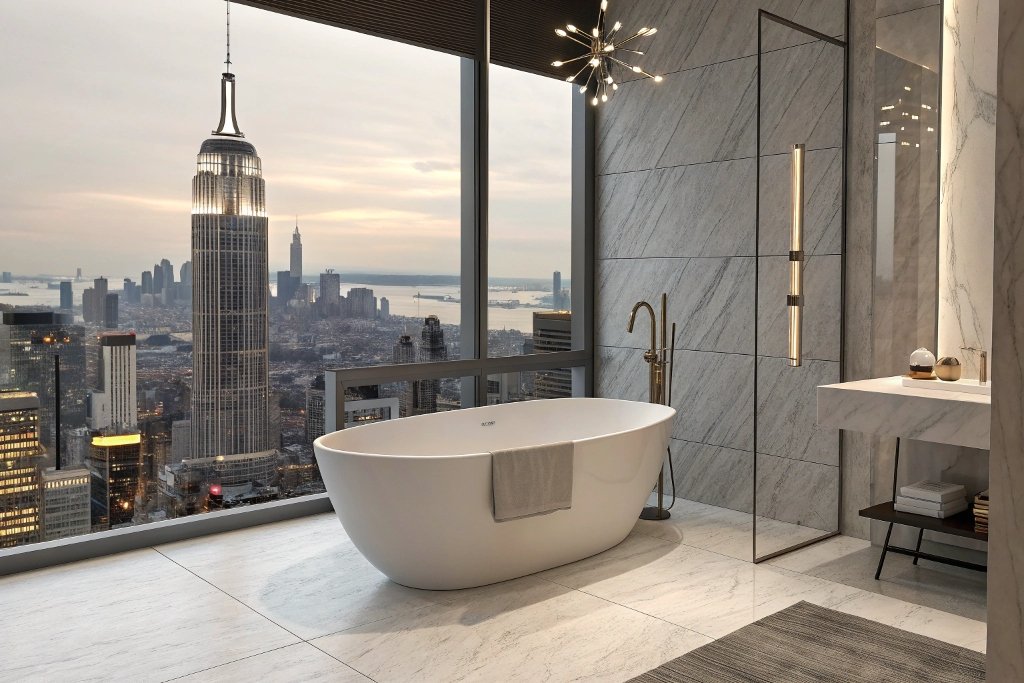
Developers and designers keep asking for these, especially in compact layouts:
-
Design freedom:
- Can be placed anywhere in the bathroom.
- Not restricted to wall corners.
-
Visual impact:
- Acts as a piece of art.
- Elevates bathroom aesthetics.
-
Installation ease:
- No tiling or deck construction needed around the tub.
- Simpler plumbing connections from the floor.
This style allows homeowners to create a personalized oasis.
Built-In Features for Wellness & Relaxation
People want more than just a bath. They want an experience.
Integrated features like chromotherapy lighting, whisper-quiet air jets, and aroma diffusion systems are popular for acrylic bathtubs. These elements turn a simple bath into a spa-like wellness experience. They also cater to growing demands for home comfort.
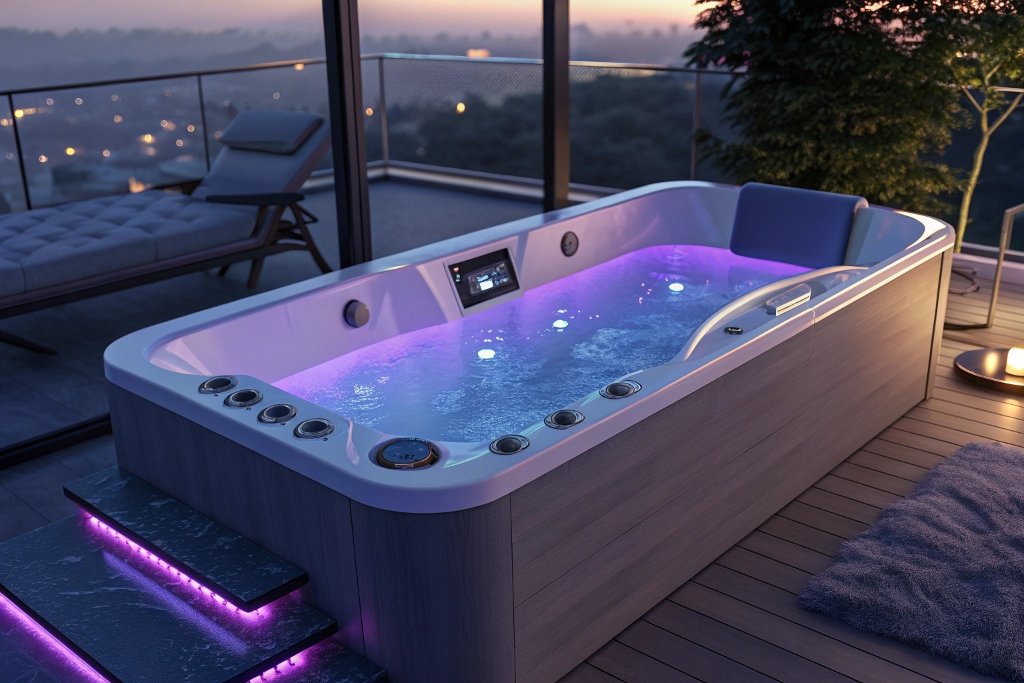
From talking to retail buyers and showroom managers, these are the features in demand:
-
Hydrotherapy:
- Strategically placed air jets for gentle massage.
- Controlled bubbles for a therapeutic soak.
-
Sensory elements:
- LED lights for mood setting.
- Diffuser ports for essential oils.
-
Smart controls:
- Digital panels for temperature and jet intensity.
- Bluetooth connectivity for music.
These features make daily bathing a luxury ritual.
Customization Requests Are at an All-Time High
Everyone wants something unique. Mass production is still key, but customization is growing.
Homeowners and developers increasingly request custom dimensions, unique color variations, and personalized branding for acrylic bathtubs. Manufacturers with flexible OEM capabilities can meet these bespoke demands without prohibitive costs.
The most common requests I hear from clients include:
-
Specific sizes:
- Tubs for unusually sized bathrooms.
- Models tailored for specific user heights.
-
Brand integration:
- Logos molded into the tub surface.
- Unique product names.
-
Feature bundles:
- Combining specific jets, lights, and controls.
- Creating unique configurations.
More manufacturers are adapting to serve these needs.
Sustainability Matters: Recyclable and Low-Emission Materials
The environment is important to everyone. This affects material choices.
Consumers prioritize acrylic bathtubs made with recycled content and low-VOC (Volatile Organic Compound) resins. Manufacturers focusing on eco-friendly practices, like minimizing waste and using sustainable processes, gain a competitive edge.
Eco-conscious design is no longer a niche—it’s the norm:
-
Material sourcing:
- Using suppliers with recycled acrylic programs.
- Certifying resin for low emissions.
-
Production efficiency:
- Reducing energy consumption in thermoforming.
- Recycling water in cooling systems.
-
Waste reduction:
- Reusing acrylic off-cuts.
- Minimizing packaging waste.
Projects aiming for LEED or green building standards now look for these features.
Conclusion
From what I’m seeing across regions, 2025 is all about sleek, smart, and sustainable acrylic bathtub design. For developers, designers, and buyers alike, the focus has shifted from just cost and function to experience, flexibility, and identity. Acrylic’s versatility makes it the perfect canvas for where the market is going next.
Explore our approach to acrylic bathtub manufacturing


