
For bathroom brands, choosing an acrylic bathtub is not only about selecting a shape or size. It is a product development decision that affects market positioning, customer perception, installation experience, logistics, and long-term brand reputation.
Acrylic bathtubs remain one of the most widely used bathtub options for modern bathroom collections because they offer a strong balance between design flexibility, production scalability, lighter weight, and visual refinement.
However, not every acrylic bathtub is suitable for every brand.
Some products are designed for entry-level retail channels. Some are developed for hotel and apartment projects. Others are created for premium bathroom collections where surface finish, edge detail, proportion, and product storytelling matter much more.
For B2B buyers, importers, wholesalers, and bathroom brands, the key question is not simply “Is acrylic good?” The better question is: what type of acrylic bathtub fits your market, your customer, and your brand positioning?

Quick Answer
Acrylic bathtubs are a practical and flexible choice for bathroom brands because they are lighter than many traditional materials, easier to customize, suitable for different bathtub shapes, and scalable for OEM/ODM production.
When choosing acrylic bathtubs for a bathroom collection, brands should consider material quality, bathtub structure, design style, surface finish, edge detail, reinforcement, and the manufacturer’s ability to maintain consistent quality in bulk production. As a Vietnam-based OEM/ODM acrylic bathtub manufacturer, Salvere supports bathroom brands with acrylic bathtub development, custom design, stable production, and export-oriented manufacturing solutions.
Which is better, an acrylic or ceramic bathtub?
Acrylic and ceramic bathtubs serve very different product needs.
Ceramic bathtubs often feel solid, traditional, and durable, but they are usually heavier, less flexible in shape development, and more difficult to scale for customized bathtub collections. For brands that need lighter products, smoother logistics, and more design flexibility, ceramic may not always be the most practical choice.
Acrylic bathtubs, on the other hand, are widely used in modern bathroom markets because they allow more freedom in design. They can be formed into freestanding, alcove, corner, oval, round, and sculptural shapes. Acrylic also supports different surface finishes, including glossy white, matte white, and other customized visual effects depending on the brand’s positioning.
For B2B buyers, the comparison should not only focus on material reputation. It should focus on the full commercial picture:
- Can the product be produced consistently?
- Can it be customized for different markets?
- Is it suitable for shipping and installation?
- Can it support both standard collections and new design development?
From this perspective, acrylic is often a stronger choice for bathroom brands that need flexibility, repeatable production, and a wider product range.
This is why many OEM/ODM bathtub programs still use acrylic as the main material. It gives brands more freedom to develop products that are both visually attractive and commercially practical.
What trend is replacing bathtubs in bathroom design?
In some markets, especially compact urban housing and budget hotel projects, showers are replacing traditional bathtubs. This trend is often driven by space efficiency, faster installation, and changing daily bathing habits.
But this does not mean bathtubs are disappearing.
Instead, the role of the bathtub is changing.
In modern bathroom design, the bathtub is no longer just a basic functional item. It is increasingly used as a design feature, a relaxation space, and a visual centerpiece. This is especially true in premium residential projects, boutique hotels, villas, and high-end bathroom collections.
For bathroom brands, this change is important.
It means that bathtub products need to be more intentional. A simple standard tub may not be enough for every market. Buyers are looking for products with better proportions, cleaner lines, softer edges, matte finishes, sculptural forms, and stronger visual identity.
This is where acrylic has a clear advantage. Because acrylic can be shaped more flexibly, it allows manufacturers and brands to respond to design trends faster. Thin-edge bathtubs, soft oval forms, deeper soaking tubs, compact freestanding bathtubs, and more expressive silhouettes can all be developed through acrylic manufacturing.
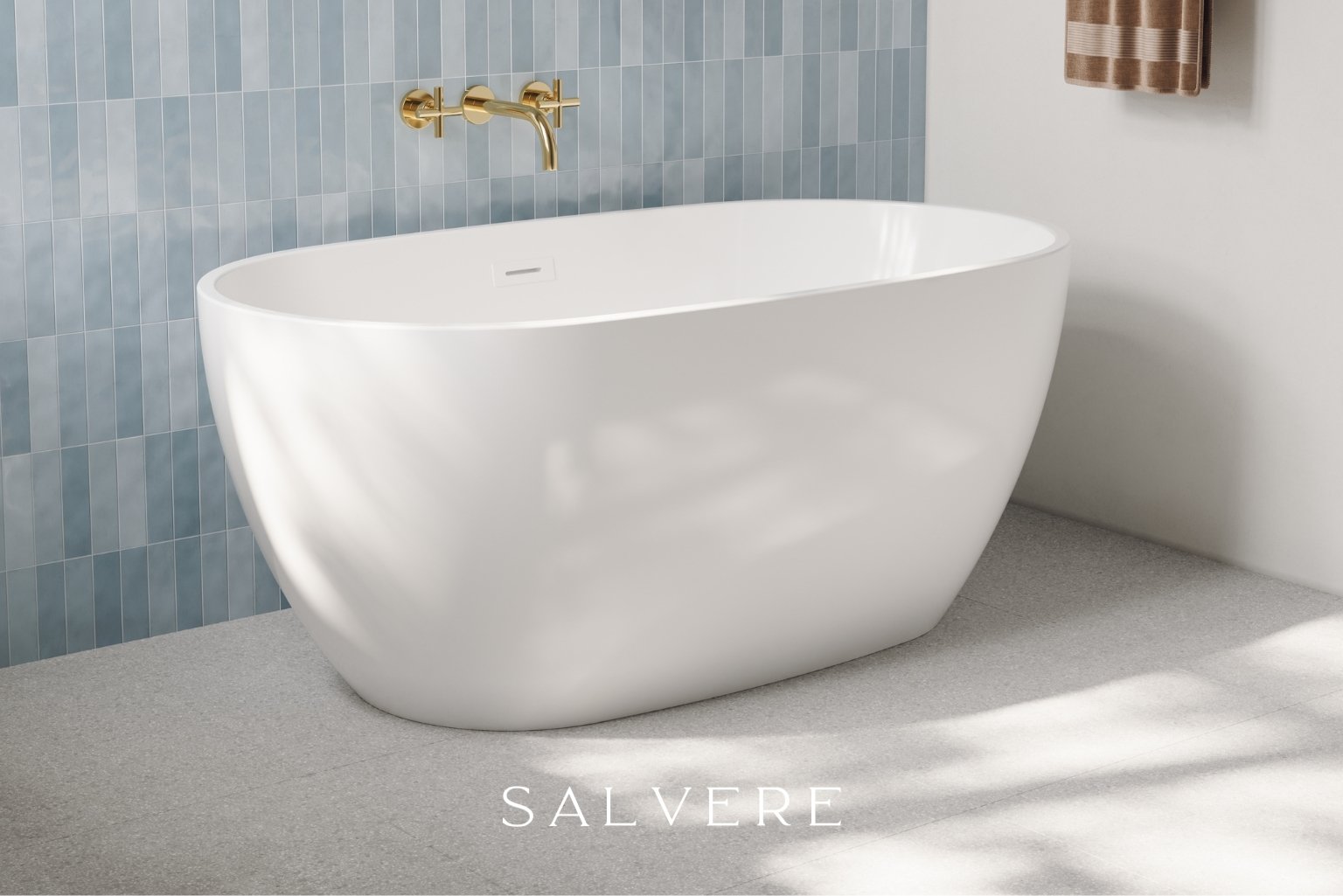
For brands building a modern bathroom collection, the opportunity is not to compete with showers. The opportunity is to make the bathtub feel more valuable, more design-driven, and more emotionally connected to the bathroom space.
Do acrylic baths feel cheap?
Acrylic bathtubs can feel cheap when the design, material, and manufacturing quality are poor.
This is an important point for B2B buyers because many people still associate acrylic with low-cost retail products. But in today’s market, acrylic bathtubs cover a wide range of quality levels. A low-quality acrylic tub and a well-designed premium acrylic bathtub can create completely different impressions.
Acrylic itself is not the problem. The real difference comes from how the bathtub is designed and manufactured.
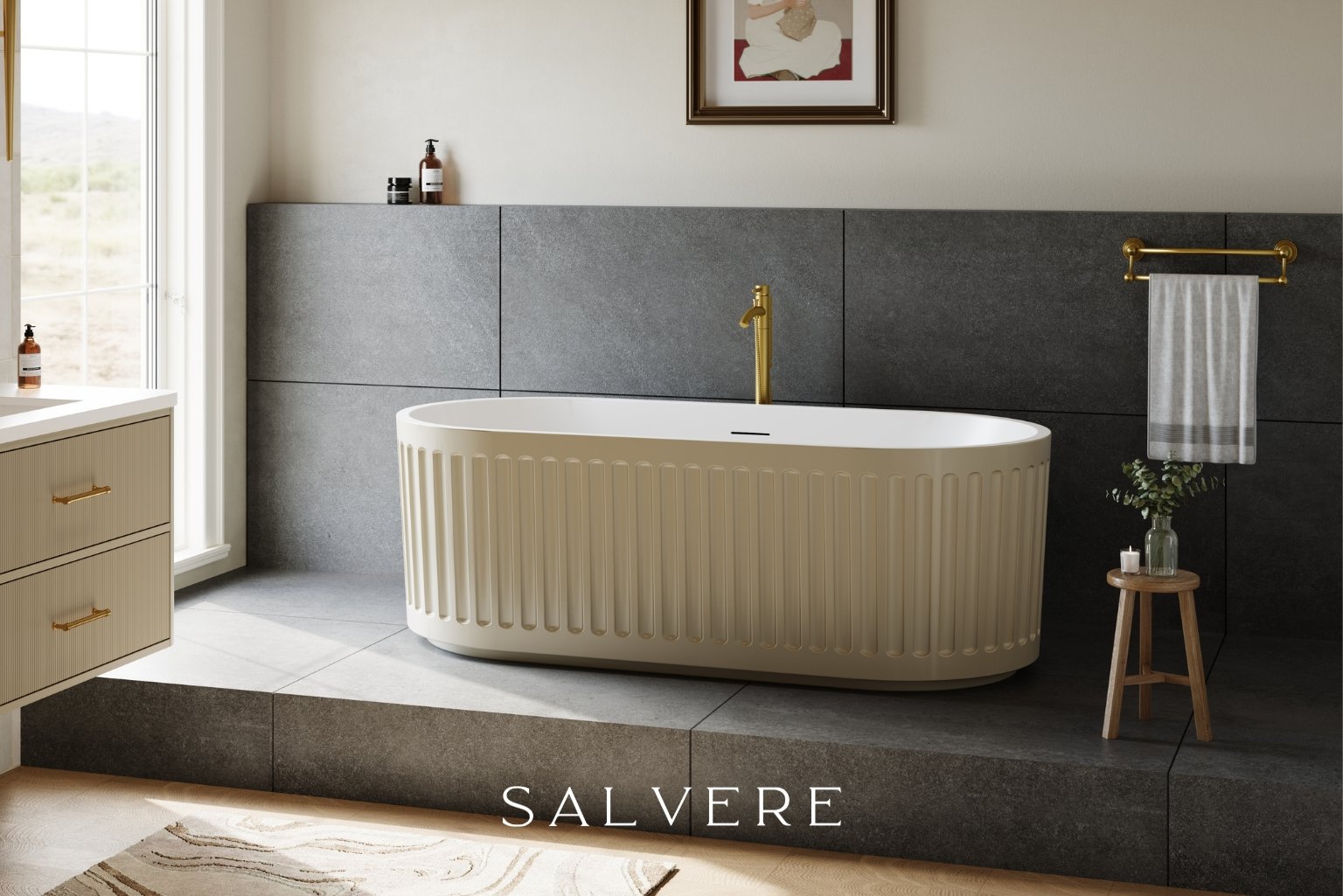
A premium acrylic bathtub usually has better proportions, a smoother surface, stronger reinforcement, cleaner trimming, more stable structure, and more refined finishing. Details such as edge thickness, overflow position, drain alignment, bottom support, and surface consistency all affect how the product is perceived.
For bathroom brands, this matters because customers do not judge a bathtub only by material name. They judge it by the way it looks and feels in the bathroom environment.
Acrylic bathtubs can look premium when they are designed with the right visual language. For example:
- a thinner edge can make the tub feel lighter and more refined;
- a matte finish can create a softer and more modern impression;
- a sculptural shape can help the bathtub become a design statement;
- a clean, seamless surface can improve perceived quality.
At Salvere, acrylic bathtub development is approached from both a design and manufacturing perspective. The goal is not only to produce a functional tub, but to help brands create products that match their target market positioning, whether that means a clean modern collection, a project-friendly bathtub line, or a more design-led premium series.
What are the disadvantages of acrylic tubs?
Acrylic bathtubs also have limitations, and brands should understand them clearly before developing a collection.
Compared with heavier materials, acrylic may be more sensitive to poor reinforcement, thin material selection, or weak production control. If the structure is not properly supported, the bathtub may feel unstable. If the surface finishing is not well controlled, the product may look less refined. If the manufacturer does not manage thermoforming and trimming properly, different production batches may show inconsistency.
This is why the quality of the manufacturer matters so much.
For B2B buyers, the disadvantage is not simply “acrylic is weak.” A better way to understand the issue is:
Acrylic requires good manufacturing control to perform well.
A reliable acrylic bathtub manufacturer should understand how to control material thickness, forming temperature, mold accuracy, fiberglass reinforcement, base support, polishing, drilling, assembly, and final inspection. These steps directly affect durability, appearance, and long-term performance.
The same acrylic material can become a low-quality product or a premium bathtub depending on how it is processed.
For brands, this means choosing acrylic is not enough. The real decision is choosing the right acrylic bathtub manufacturing partner.
Do acrylic tubs crack easily?
A well-made acrylic bathtub should not crack easily under normal use.
Cracking usually happens when there are problems in material selection, structure design, reinforcement, installation support, or production quality. For example, if the bathtub bottom is not properly reinforced, if the shell is too thin, or if the support structure is weak, the bathtub may become more vulnerable over time.
For B2B buyers, this question is especially important because product failure can affect brand reputation, warranty cost, and customer trust.
Acrylic bathtub durability depends on several manufacturing details:
- the quality of the acrylic sheet;
- the consistency of thermoforming;
- the strength of fiberglass reinforcement;
- the stability of the base structure;
- the accuracy of drilling and assembly;
- the quality inspection before shipment.
A manufacturer should be able to explain how these steps are controlled. If a supplier only talks about appearance but cannot explain structure, reinforcement, or quality control, buyers should be cautious.
At Salvere, acrylic bathtubs are developed through standardized production and quality control processes to support stable OEM/ODM orders. For brands, this helps reduce the risk of inconsistent quality across bulk production.
What is the best quality bathtub?
The best quality bathtub is not only the one that looks beautiful in a product photo. For B2B buyers, quality means the product can perform consistently in real market conditions.
A high-quality bathtub should have a stable structure, smooth surface, comfortable shape, reliable drainage assembly, accurate dimensions, and consistent finishing across production batches.
For acrylic bathtubs, quality can be judged from several key areas.
First, the surface should look clean and refined. Whether glossy or matte, the finish should be smooth, even, and free from obvious defects.
Second, the structure should feel stable. A bathtub should not feel thin, hollow, or weak. Reinforcement and bottom support are essential, especially for freestanding bathtubs.
Third, the shape should be accurate. Good design depends on proportion, edge detail, and symmetry. If the bathtub shape is inconsistent, the product will look less premium even if the material itself is acceptable.
Fourth, the product should be suitable for export and project use. Packaging, inspection, documentation, and production consistency all matter for brands working across international markets.
For bathroom brands, the best quality bathtub is the one that fits both the user experience and the business requirement. It should look good in a bathroom, perform well after installation, and be produced reliably at scale.
This is why supplier selection is as important as product selection.
How should brands choose acrylic bathtubs for a new collection?
When developing a new bathroom collection, brands should start with market positioning rather than product appearance alone.
A collection for apartment projects may need practical sizes, stable installation, and strong packaging. A collection for premium retailers may need more refined surfaces, thinner edges, and better product photography appeal. A collection for boutique hotels may focus more on comfort, visual impact, and long-term durability.
After the market position is clear, buyers can evaluate acrylic bathtubs through several questions:
- Does the shape match the target bathroom style?
- Is the bathtub size suitable for the intended market?
- Does the finish support the brand’s visual identity?
- Can the structure support long-term use?
- Can the factory customize details if needed?
- Can the manufacturer keep quality consistent across repeat orders?
For OEM/ODM projects, customization ability is especially important. Brands may need to adjust dimensions, edge design, overflow and drain position, finish, packaging, or product structure.
As an OEM/ODM acrylic bathtub manufacturer in Vietnam, Salvere supports bathroom brands with custom acrylic bathtub development, including shape, size, surface finish, overflow and drain position, packaging, and production planning. This allows brands to build collections that are not only functional, but also more aligned with their market identity.
Conclusion
Choosing the right acrylic bathtub is not simply about choosing a material.
For bathroom brands, importers, wholesalers, and project buyers, acrylic bathtub selection should be connected to product positioning, design language, manufacturing quality, durability, and long-term supply stability.
Acrylic remains a strong choice for modern bathroom collections because it offers design flexibility, lighter weight, scalable production, and wide customization potential. But the final product quality depends heavily on the manufacturer behind it.
A well-designed acrylic bathtub can look premium, feel reliable, and support both residential and commercial bathroom markets. A poorly made one can damage brand trust.
This is why brands should evaluate not only the bathtub itself, but also the factory’s production capability, quality control, customization support, and export experience.
As a Vietnam-based OEM/ODM acrylic bathtub manufacturer, Salvere helps global bathroom brands develop acrylic bathtub collections with stable production, flexible customization, and reliable manufacturing support.
If your brand is planning a new acrylic bathtub collection, working with the right manufacturing partner can help you turn product ideas into market-ready bathroom solutions.
FAQ
Are acrylic bathtubs suitable for bathroom brands?
Yes. Acrylic bathtubs are suitable for bathroom brands because they are lightweight, design-flexible, scalable for production, and suitable for different product collections, from standard models to customized designs.
Can acrylic bathtubs look premium?
Yes. Acrylic bathtubs can look premium when they use refined shapes, clean surfaces, strong structure, thin-edge design, matte or glossy finishes, and consistent manufacturing quality.
What should brands check before choosing an acrylic bathtub supplier?
Brands should check the supplier’s production experience, acrylic material quality, reinforcement process, customization ability, certifications, quality control system, packaging standards, and export experience.
Is acrylic better than ceramic for OEM bathtub production?
For many OEM bathtub programs, acrylic is more practical than ceramic because it is lighter, easier to customize, more flexible in shape design, and more suitable for scalable production.


